
Past is Present, presented by Sumter Museum: Clarendon County Historical Society, community unite to protect its past














There is an urgency when it comes to history.
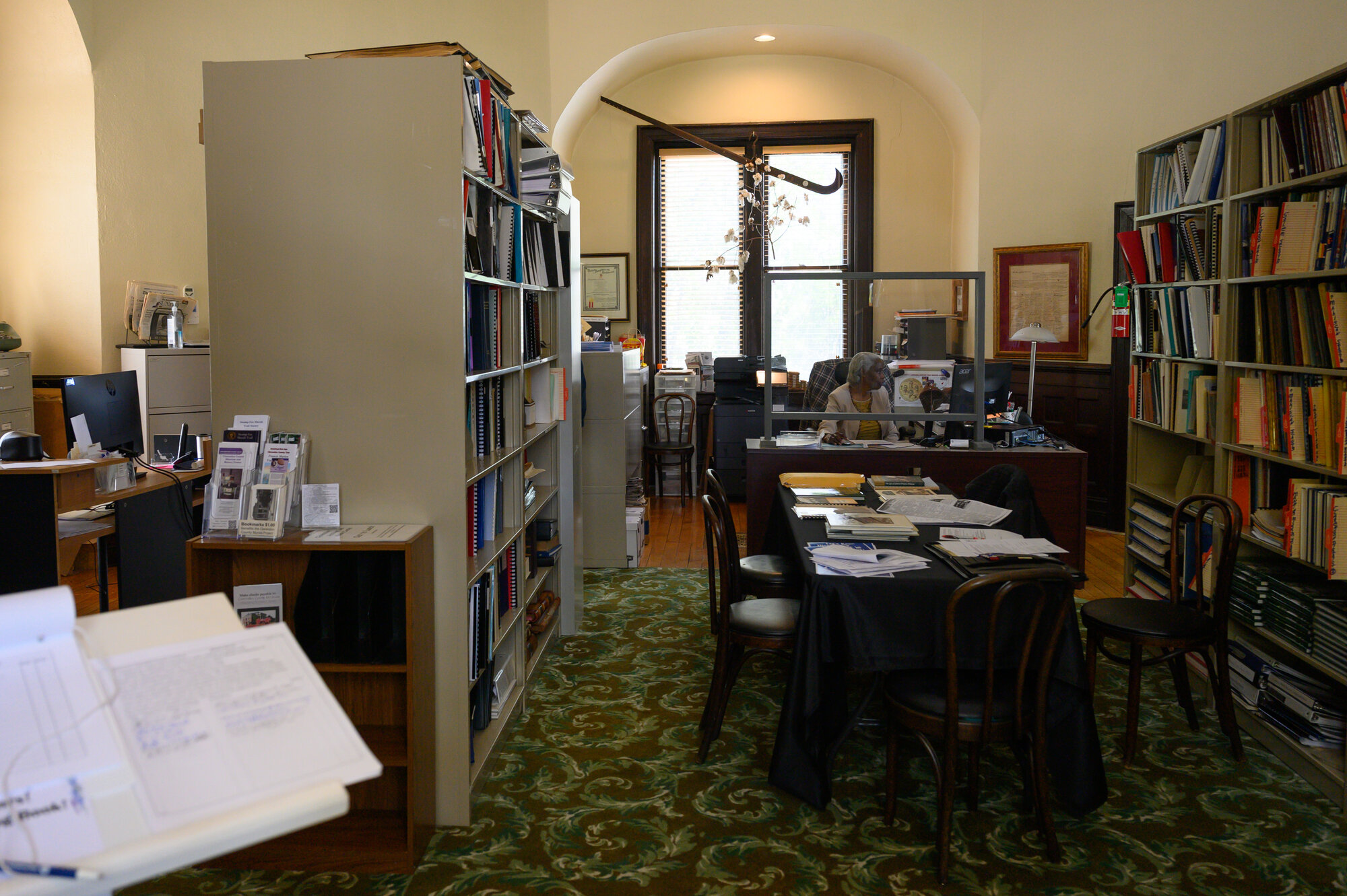
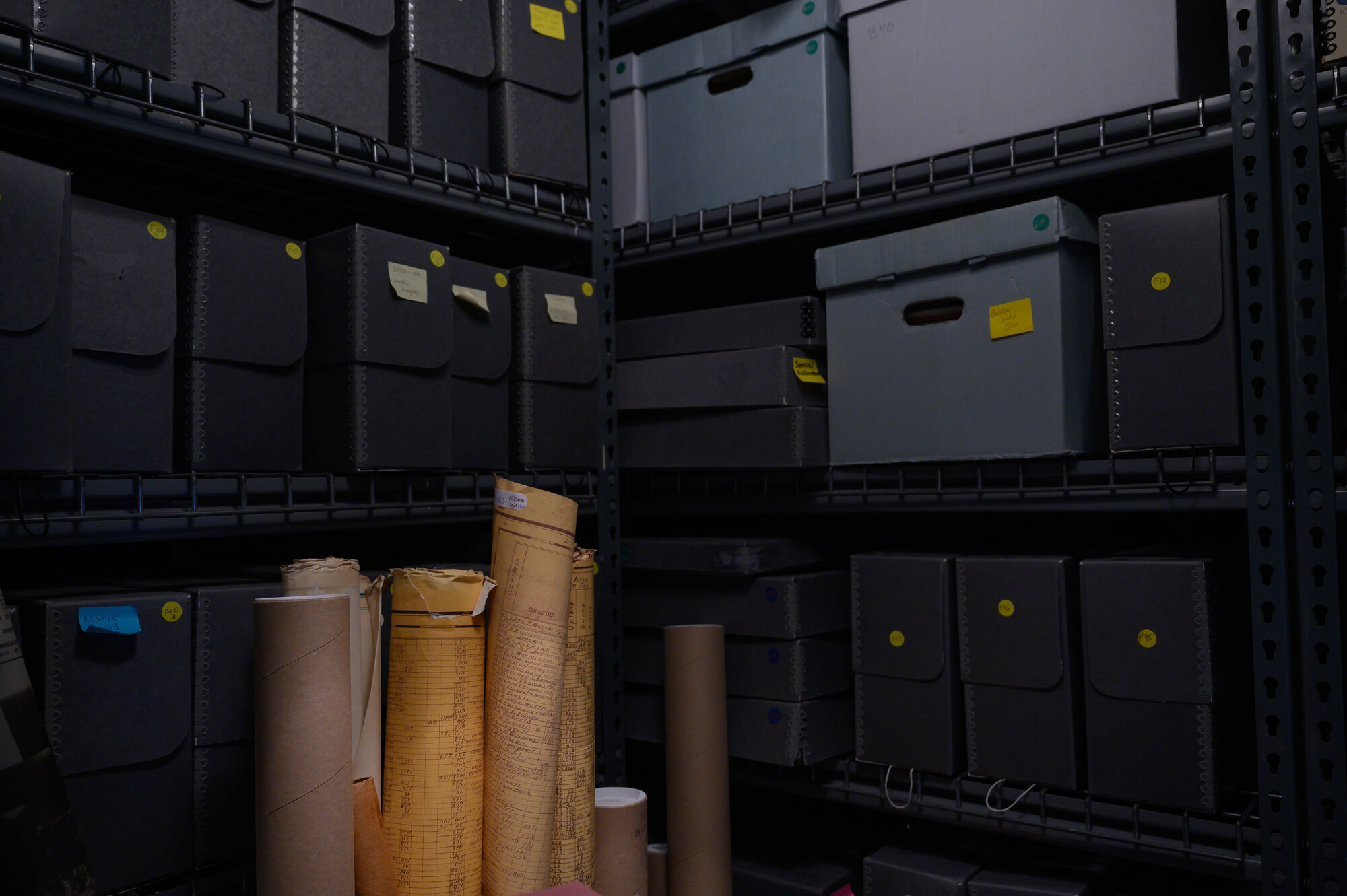
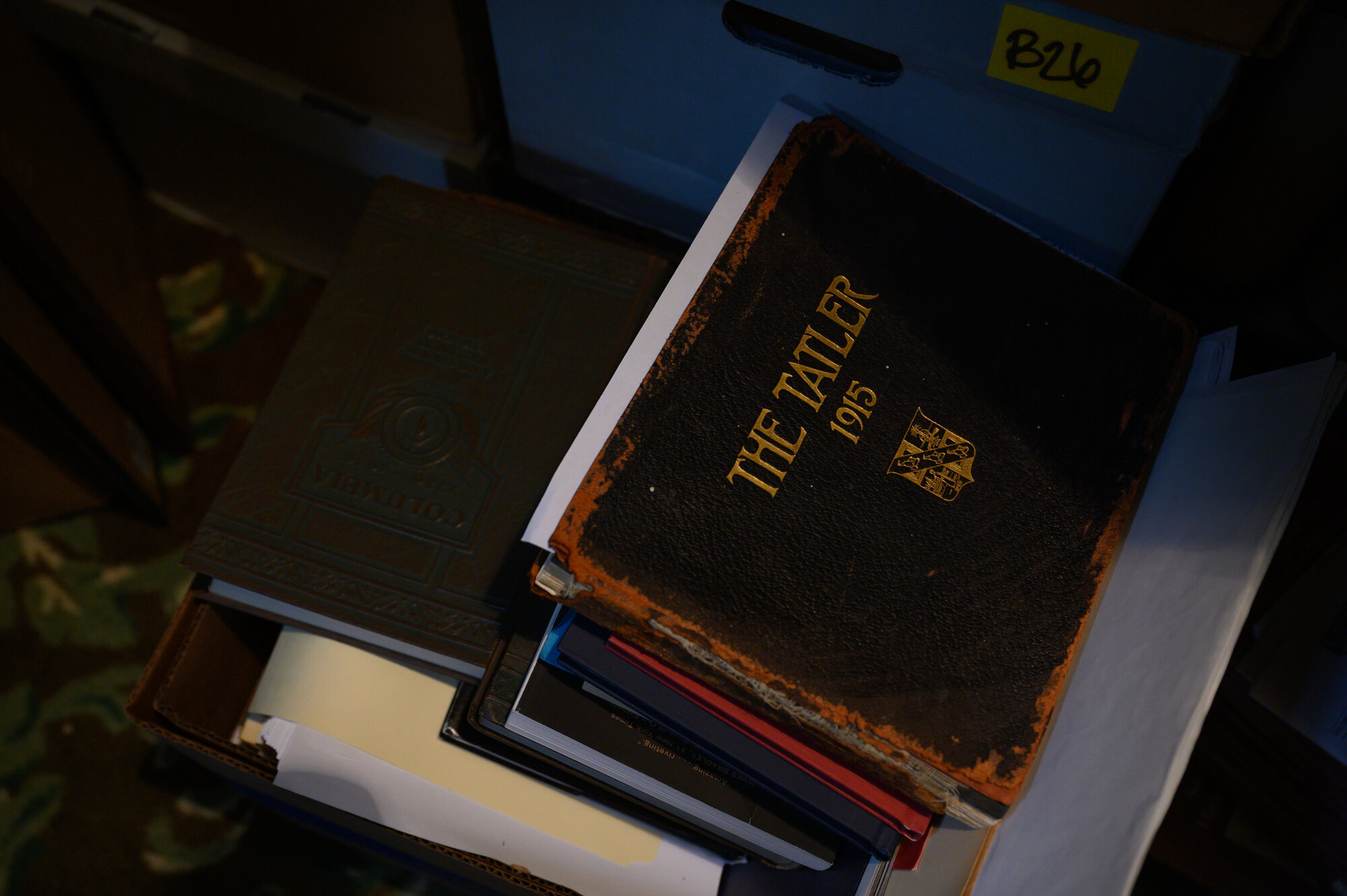
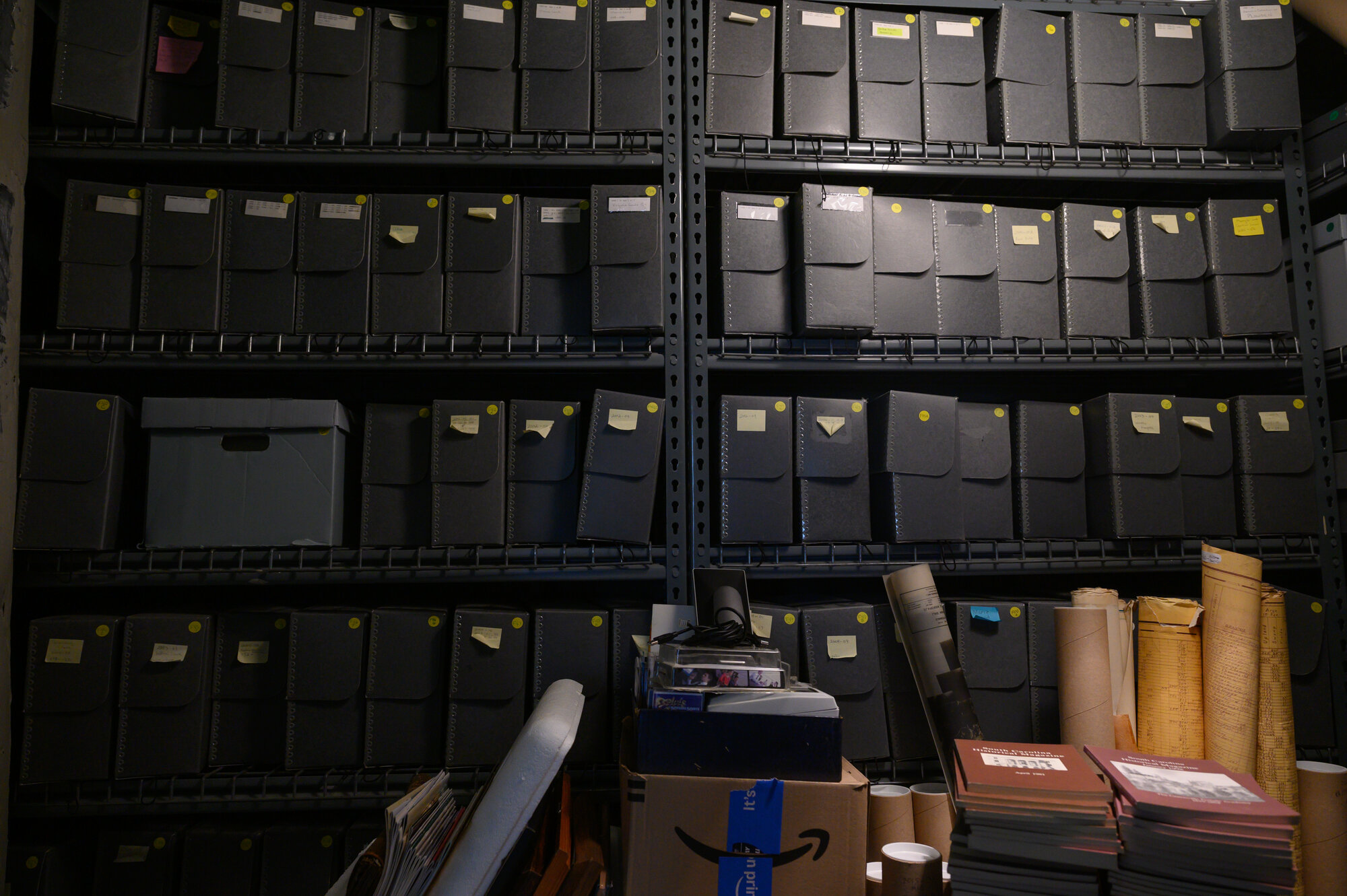
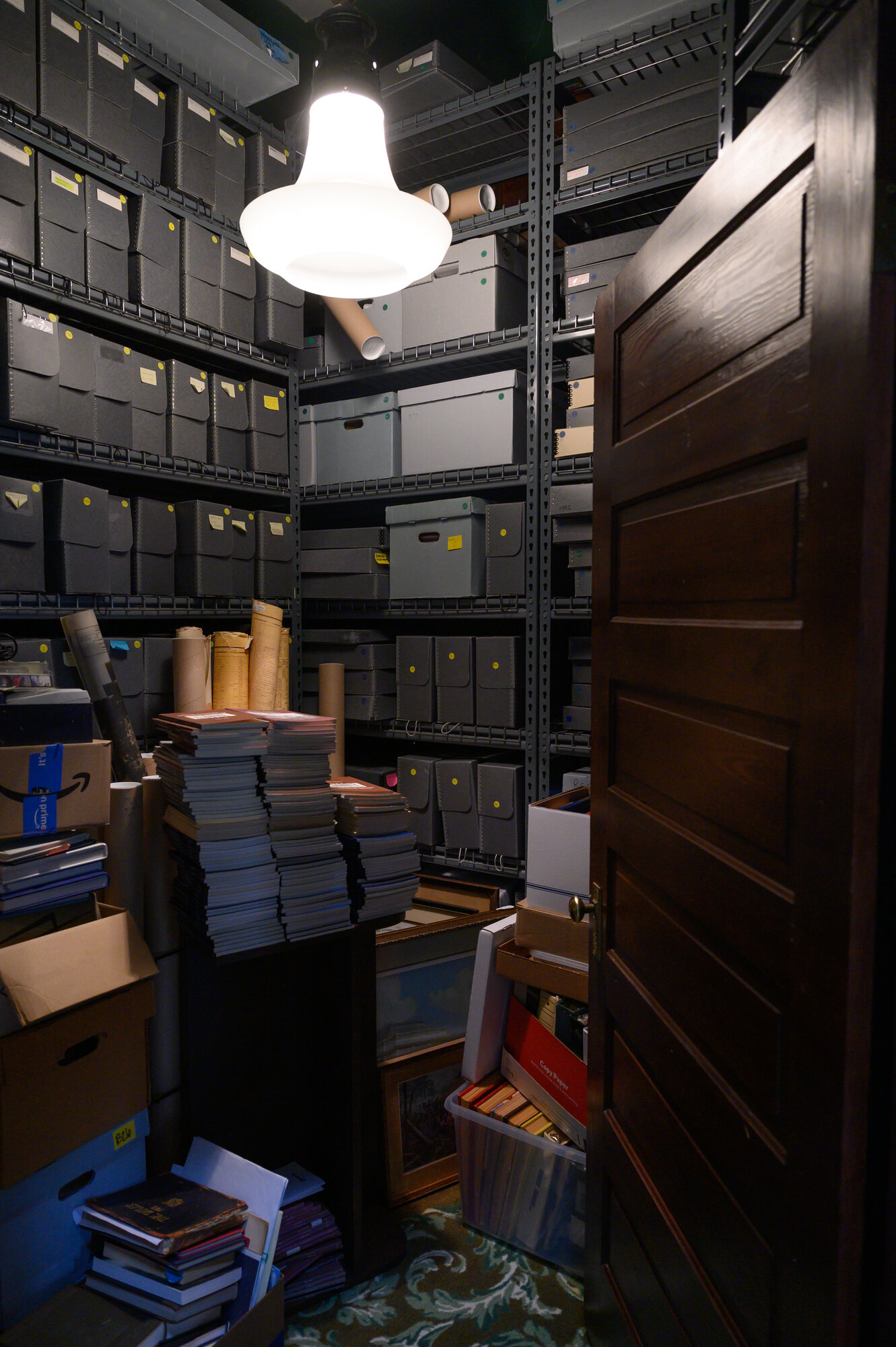
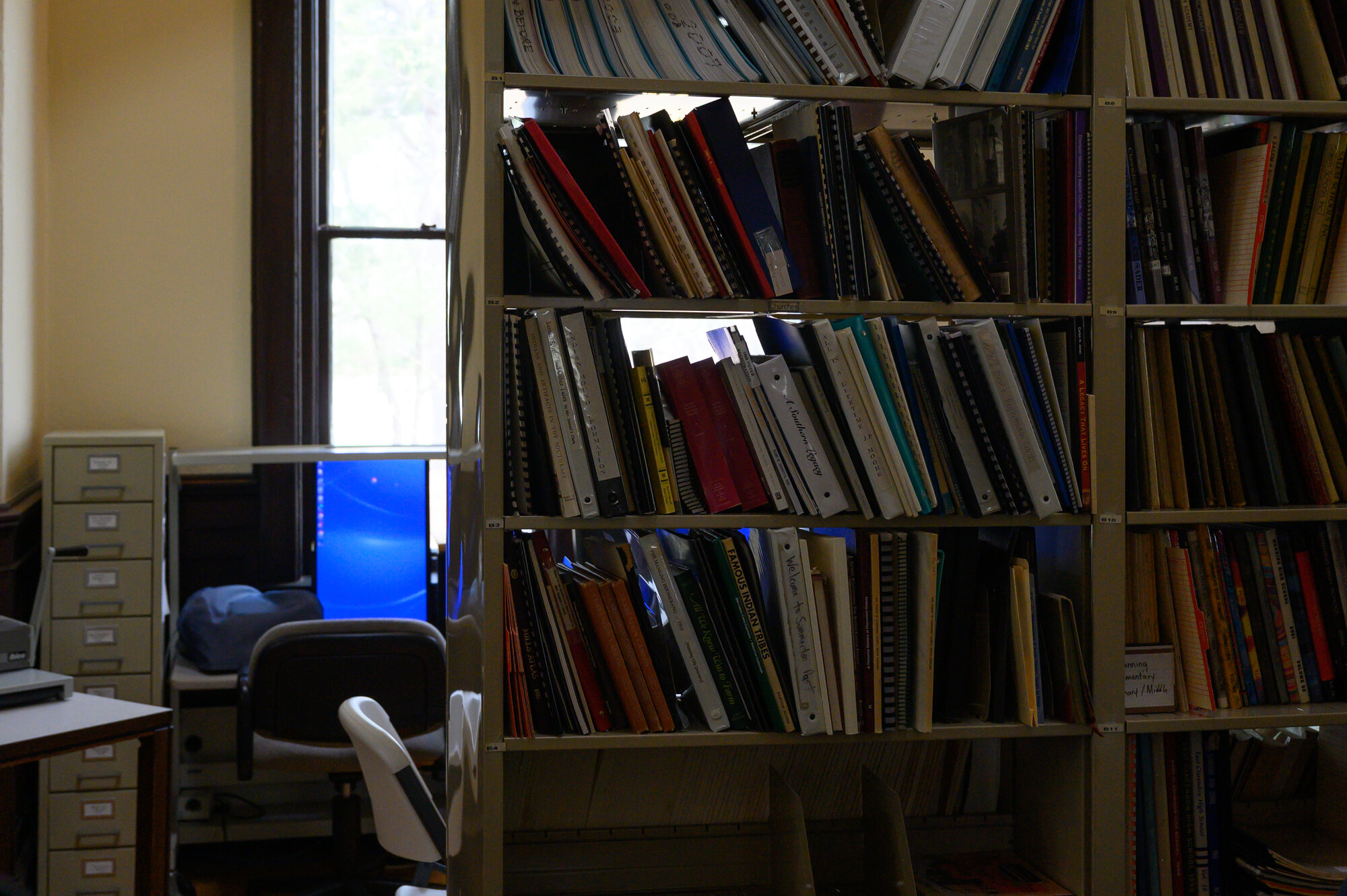
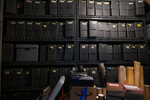
It may live in dated photographs, aged manuscripts and file cabinets filled to the brim with names, places and moments that define a community. It may sit quietly in labeled boxes stacked high or rest between the covers of yearbooks long since closed.
Regardless of where it lies, there is an urgency to it all the same.
To learn it, because to know where you're going, you have to know where you've been. To protect it, because it is ours and that is what you do for your own.
Which is why the seats, walls and even the walkway outside Clarendon County Council chambers on March 19 were lined with people determined to do just that: protect their own.
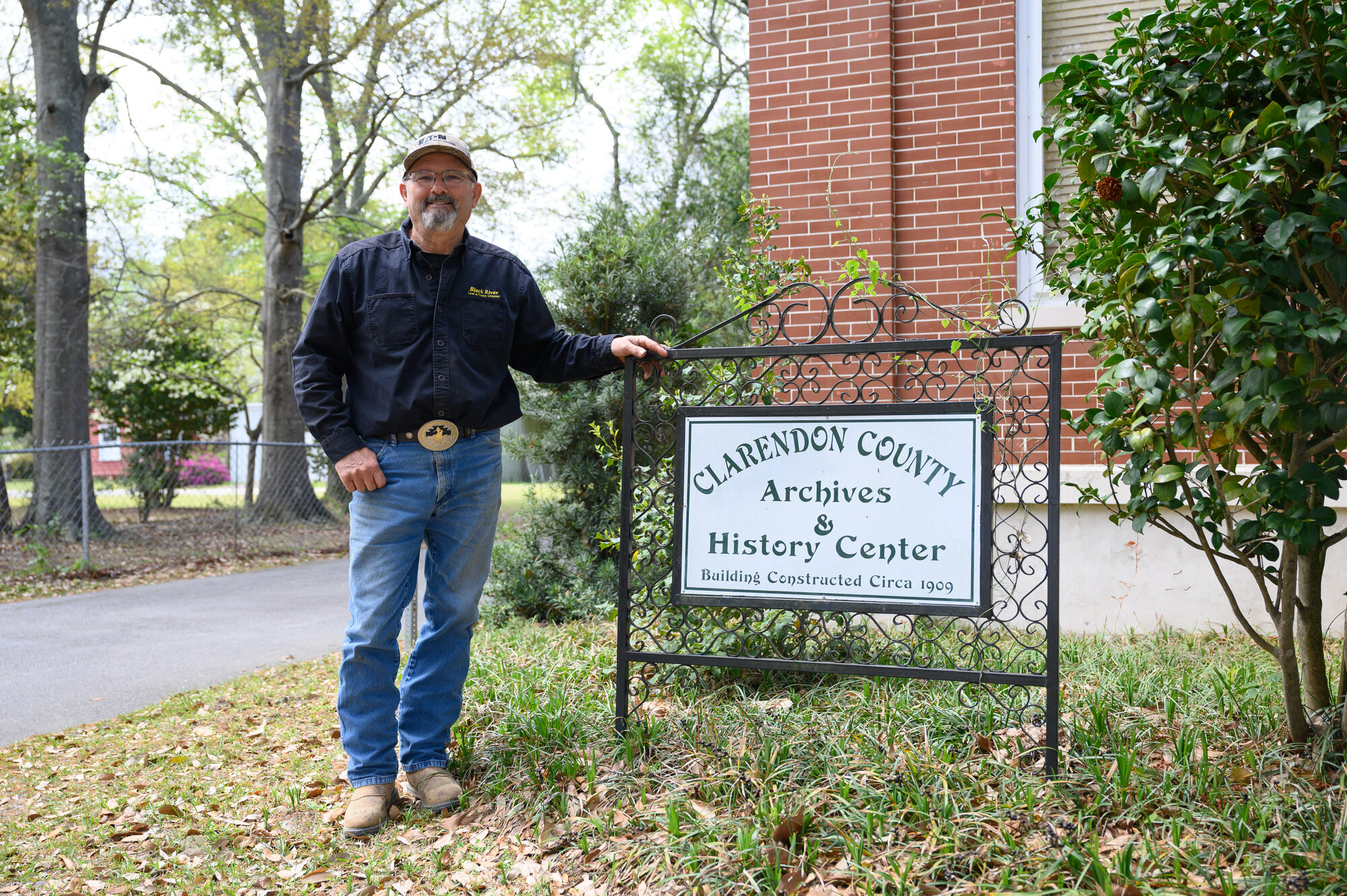
That "own" being the Clarendon County Archives and History Center.
The surge of community response comes as county officials weigh options tied to budget constraints and alleged building conditions, including the possibility of relocating materials and records from the current archives building ahead of a suspected closure.
A space filled with memory
Long before becoming the center of public concern, Clarendon County Archives and History Center had lived several lives to serve generations.
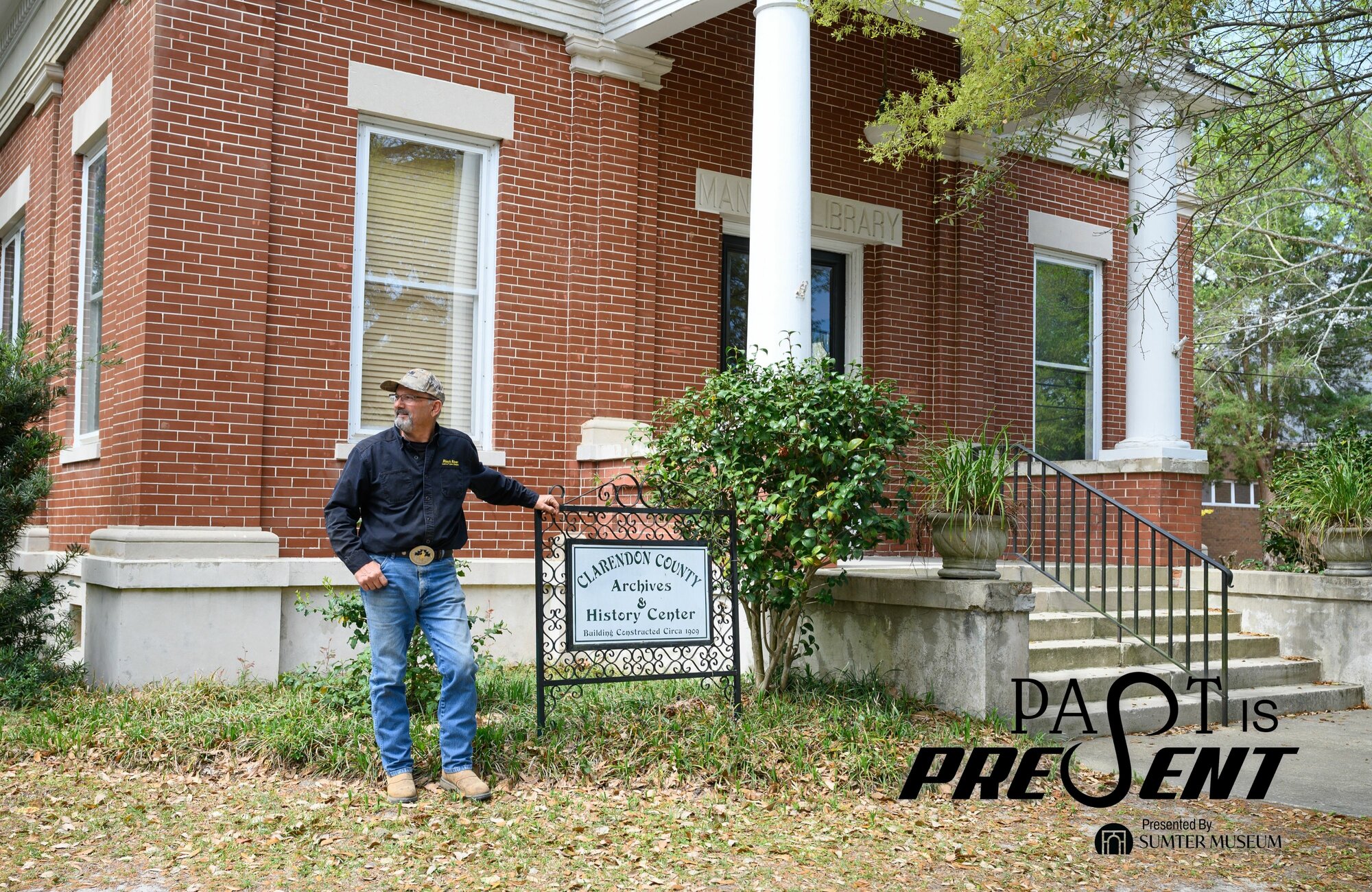
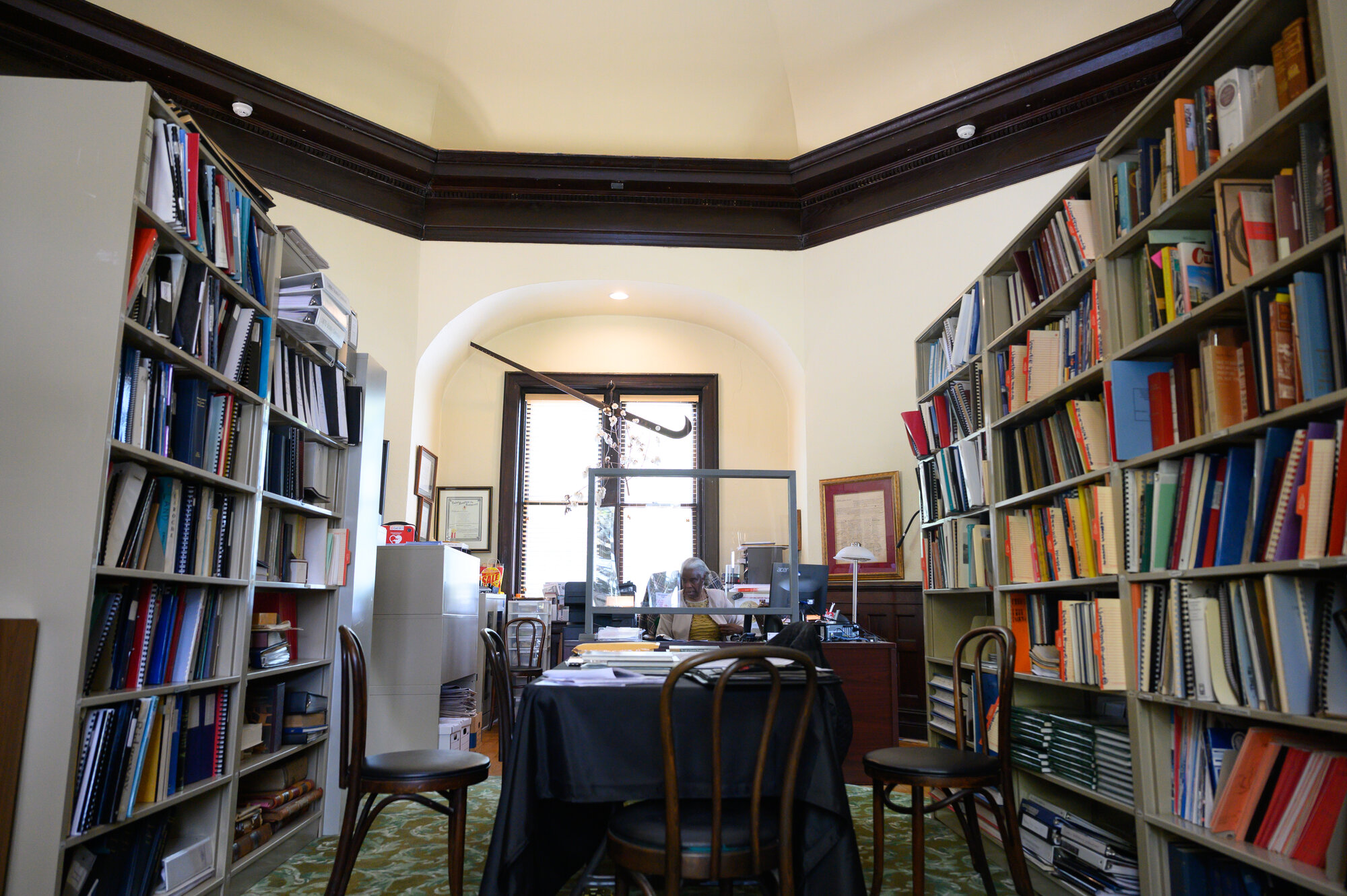
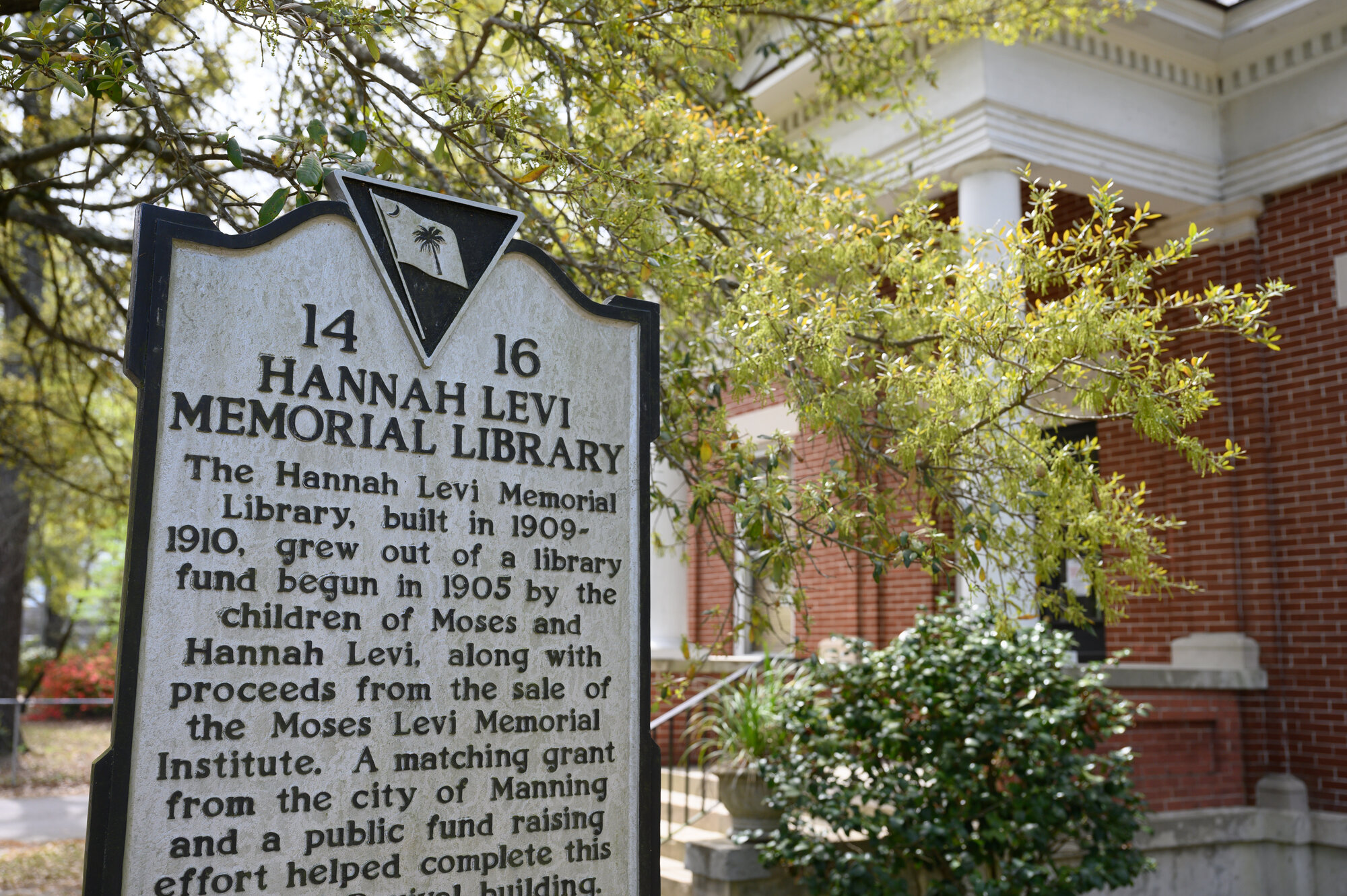
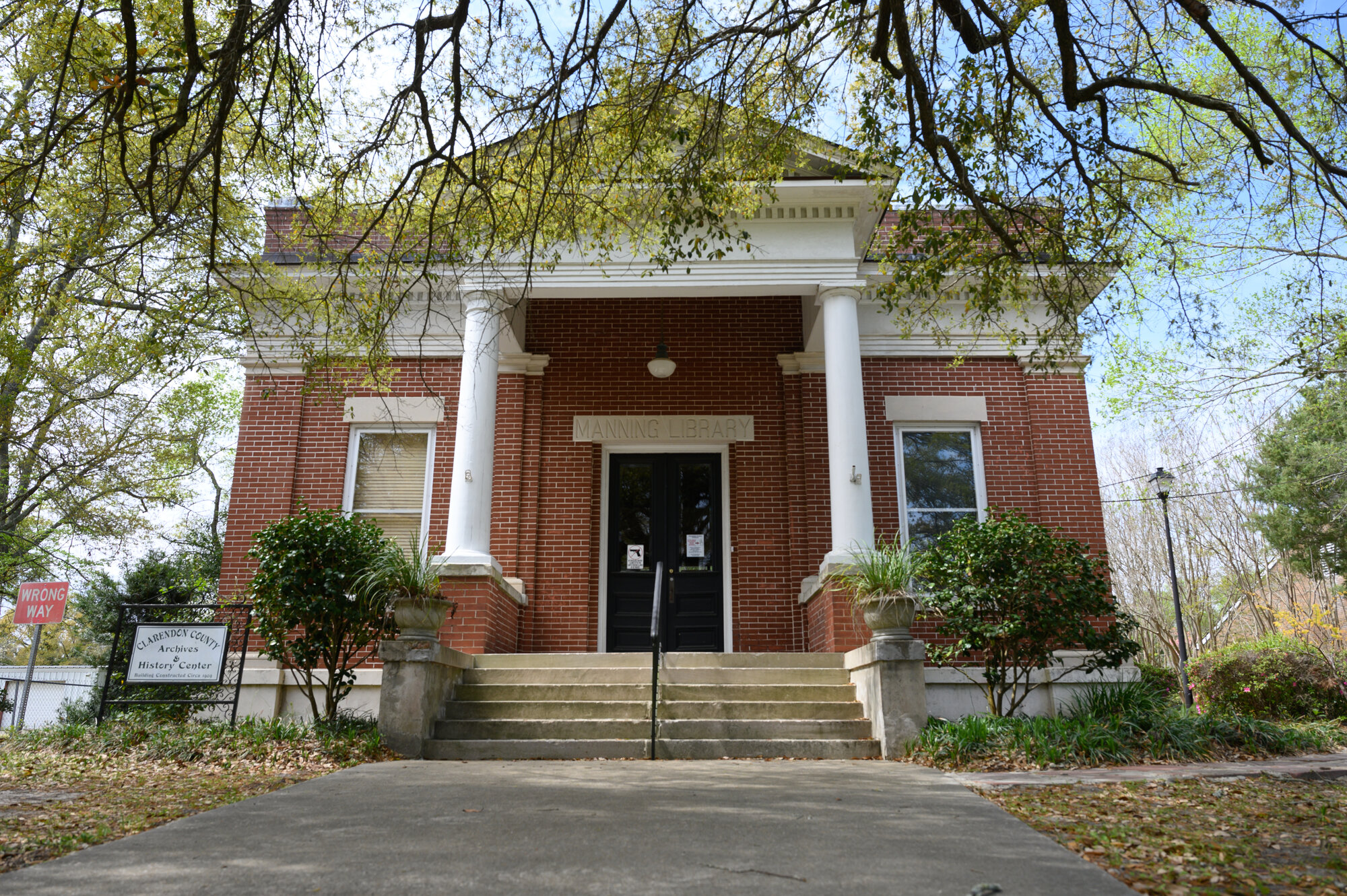
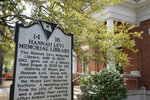
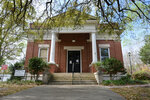
Built in 1909-10, the building at 211 N. Brooks St., was likely designed by the same architects who designed the Clarendon County courthouse, Shand and Lafaye. Funding to build the structure came from a variety of sources, including the children of Hannah and Moses Levi, who began the fundraising efforts, a $1,000 donation from Abraham Levi, proceeds from the sale of the Moses Levi Memorial Institute, a matching grant from City of Manning and public funding. From 1910-1976, its classic Revival-styled structure initially doubled as the Manning Library and a social hall that hosted the county's youth dances, piano lessons and several civic organizations and other community gatherings, from The Rotary Club to government meetings.
In 1976, the facility was deeded to the county and became the Clarendon County Public Library. Three years later in 1979, it was listed in the National Register of Historic Places. When the new county library was built next door in 1984, the space would take on new meaning to the county, becoming its archives.
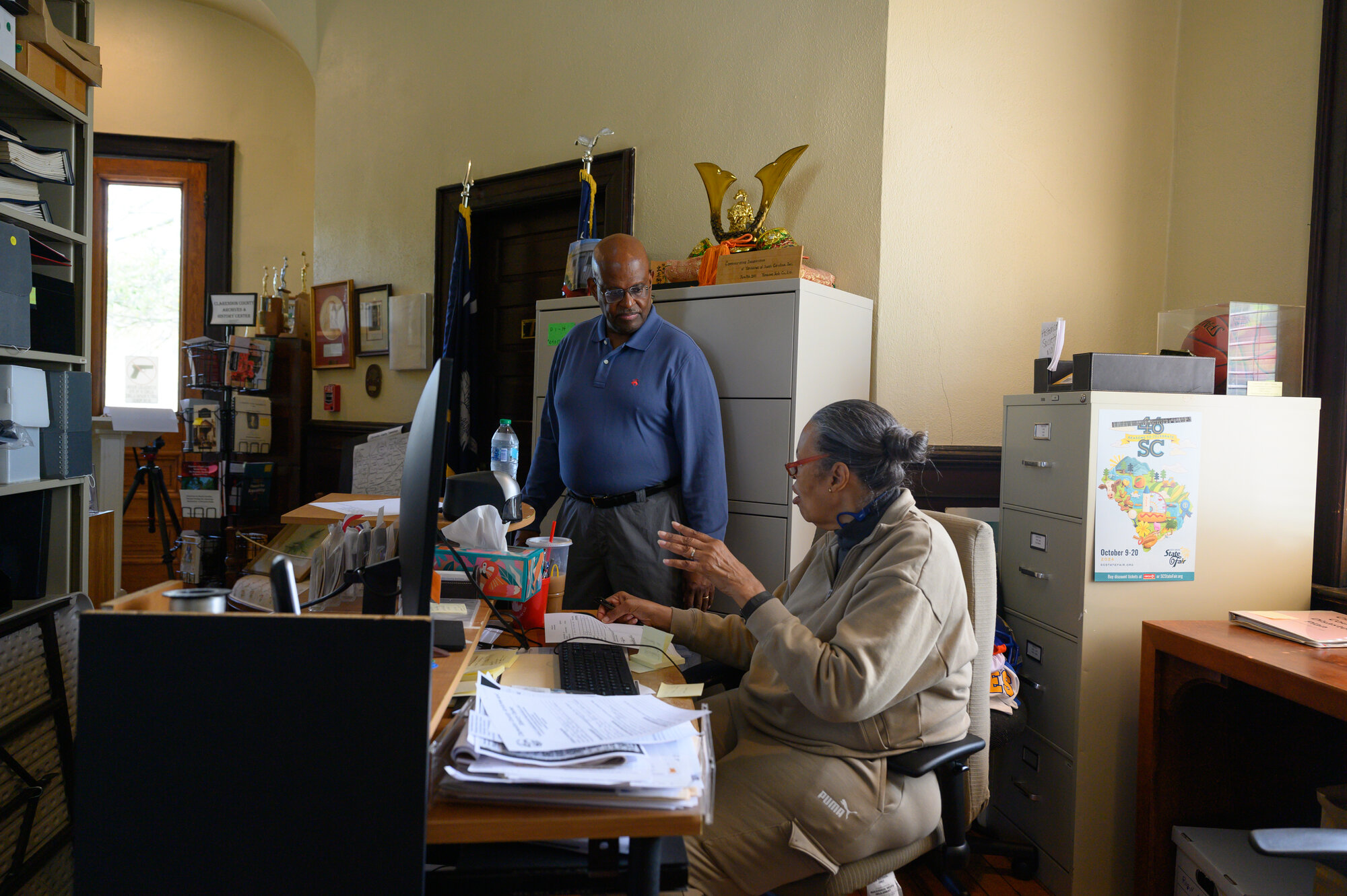
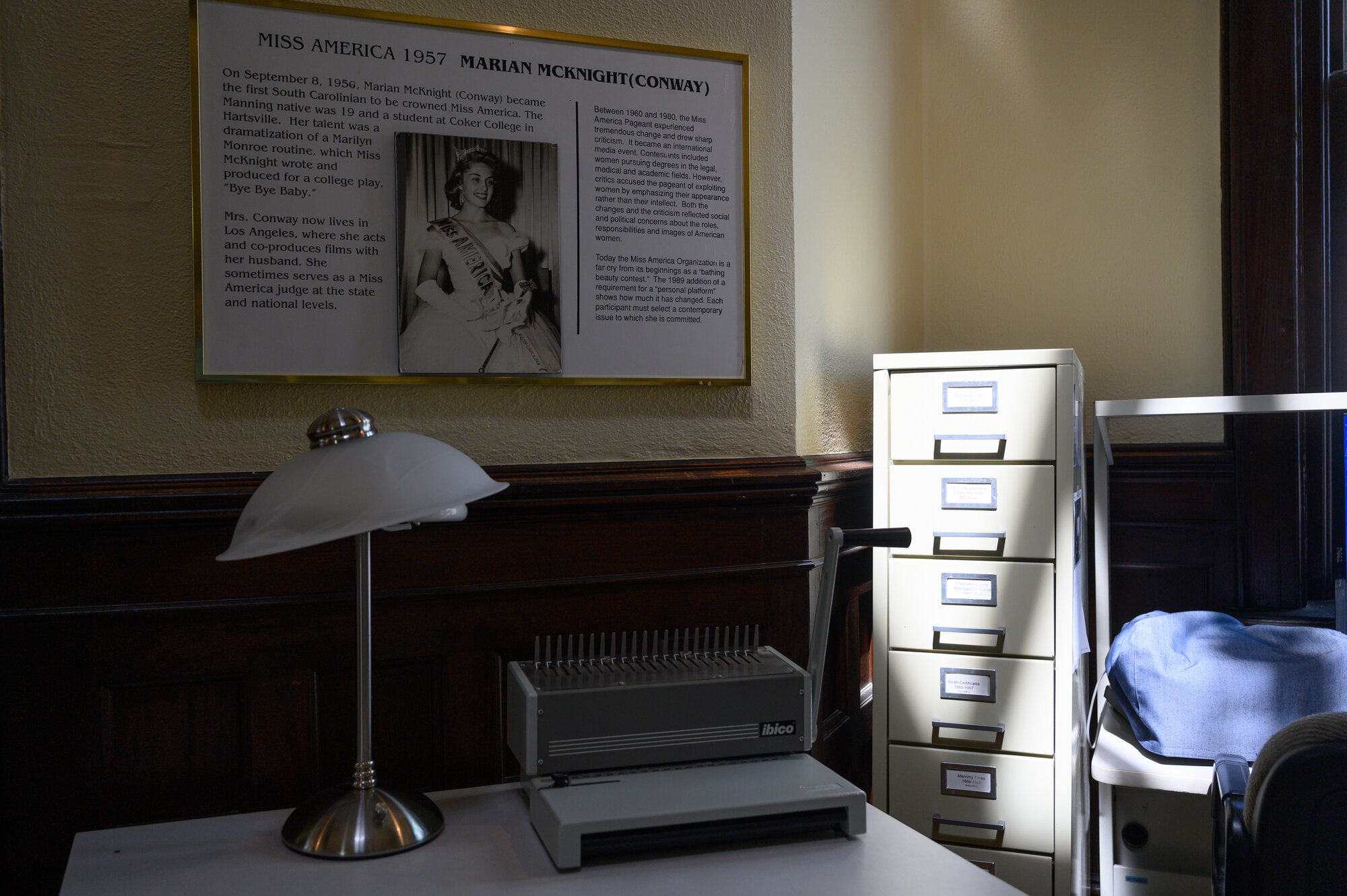
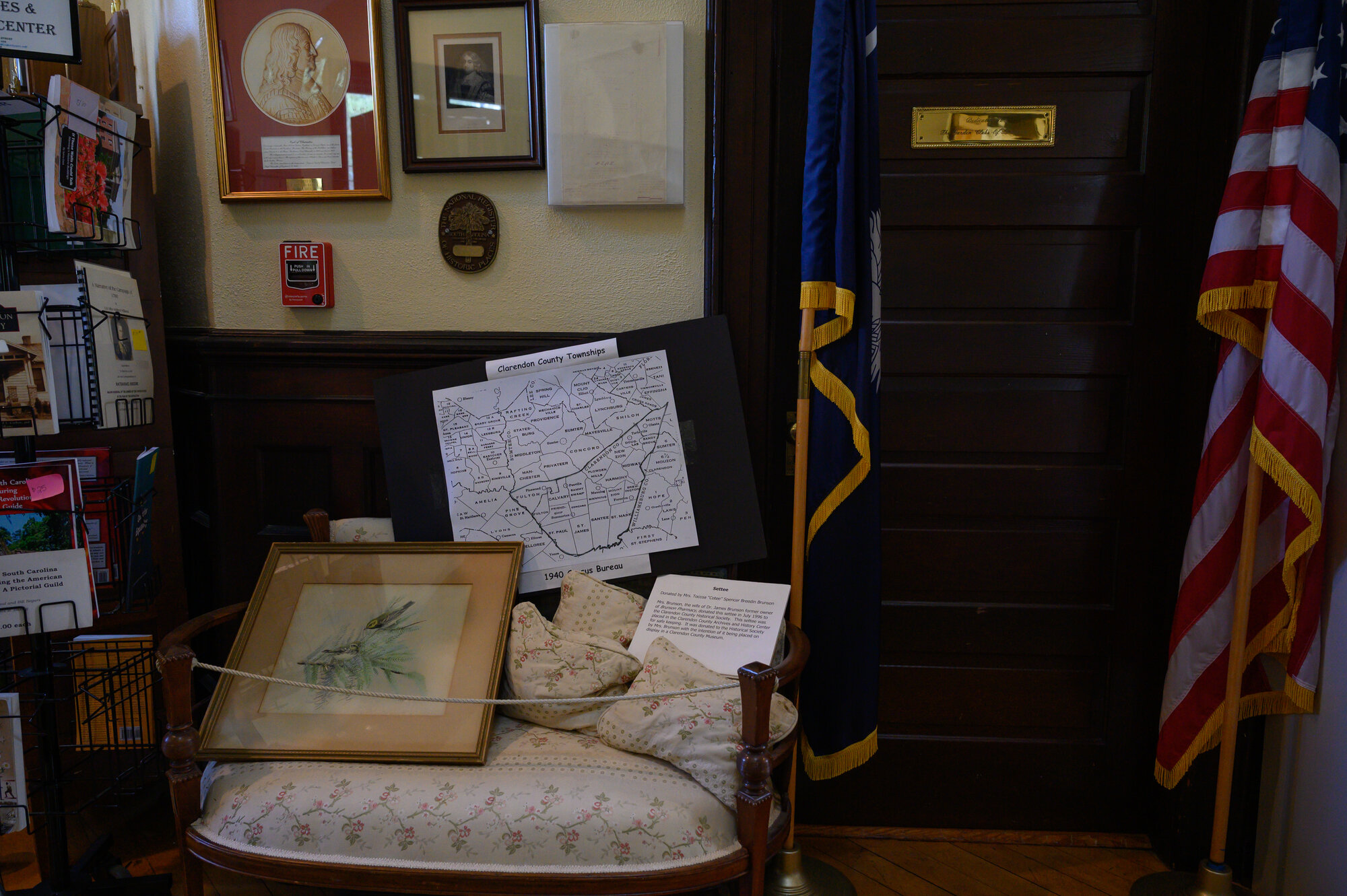
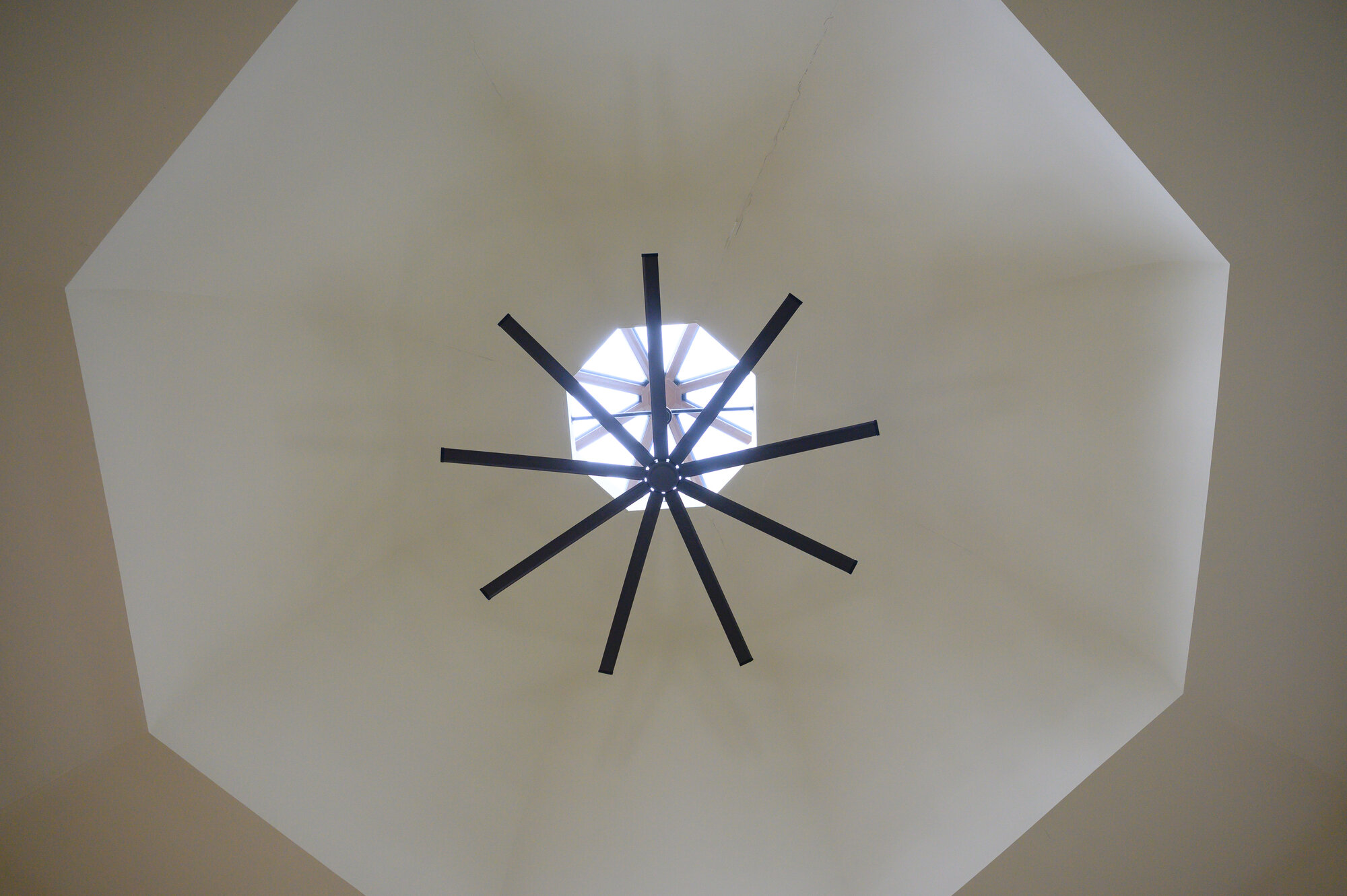
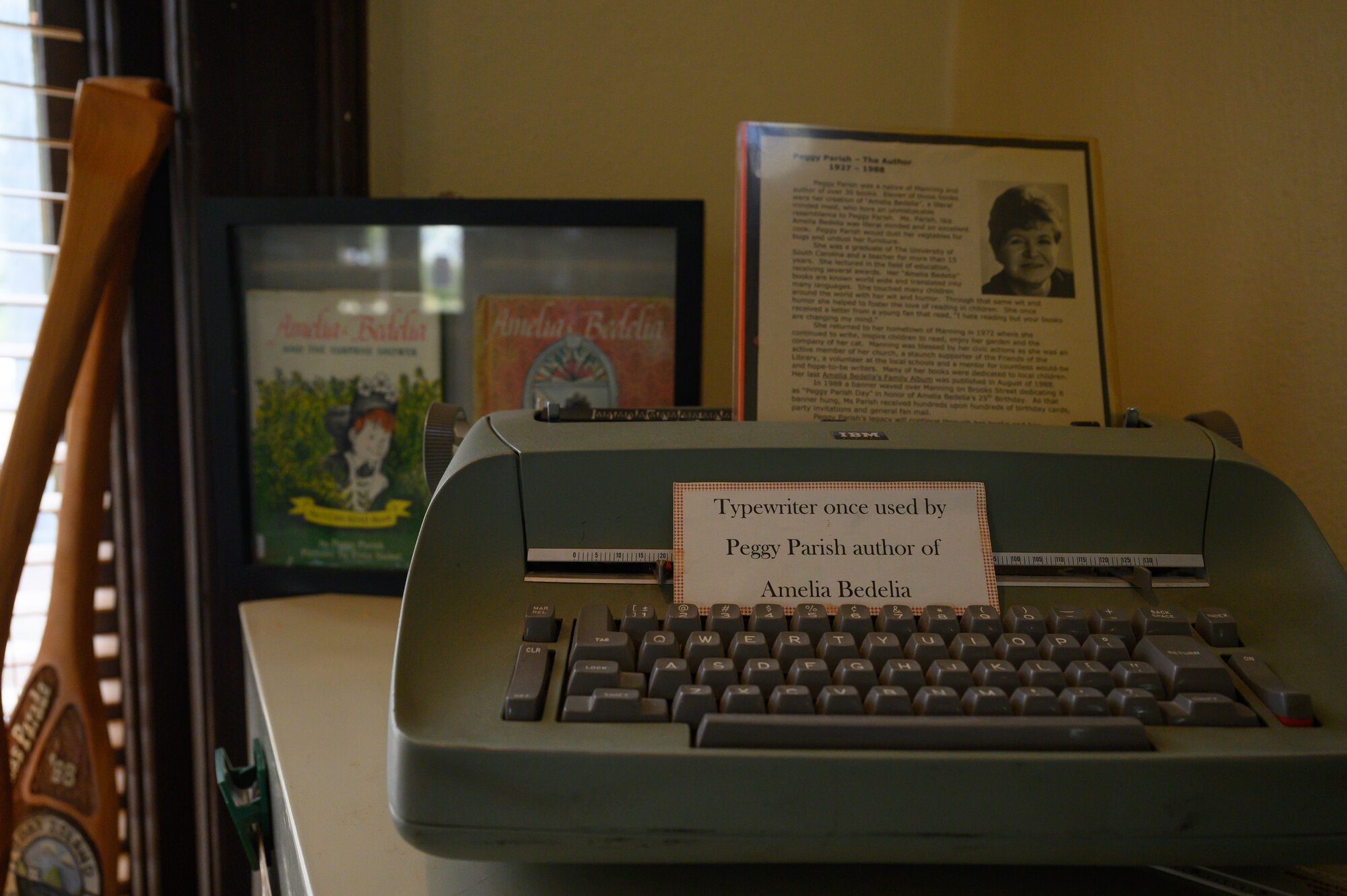
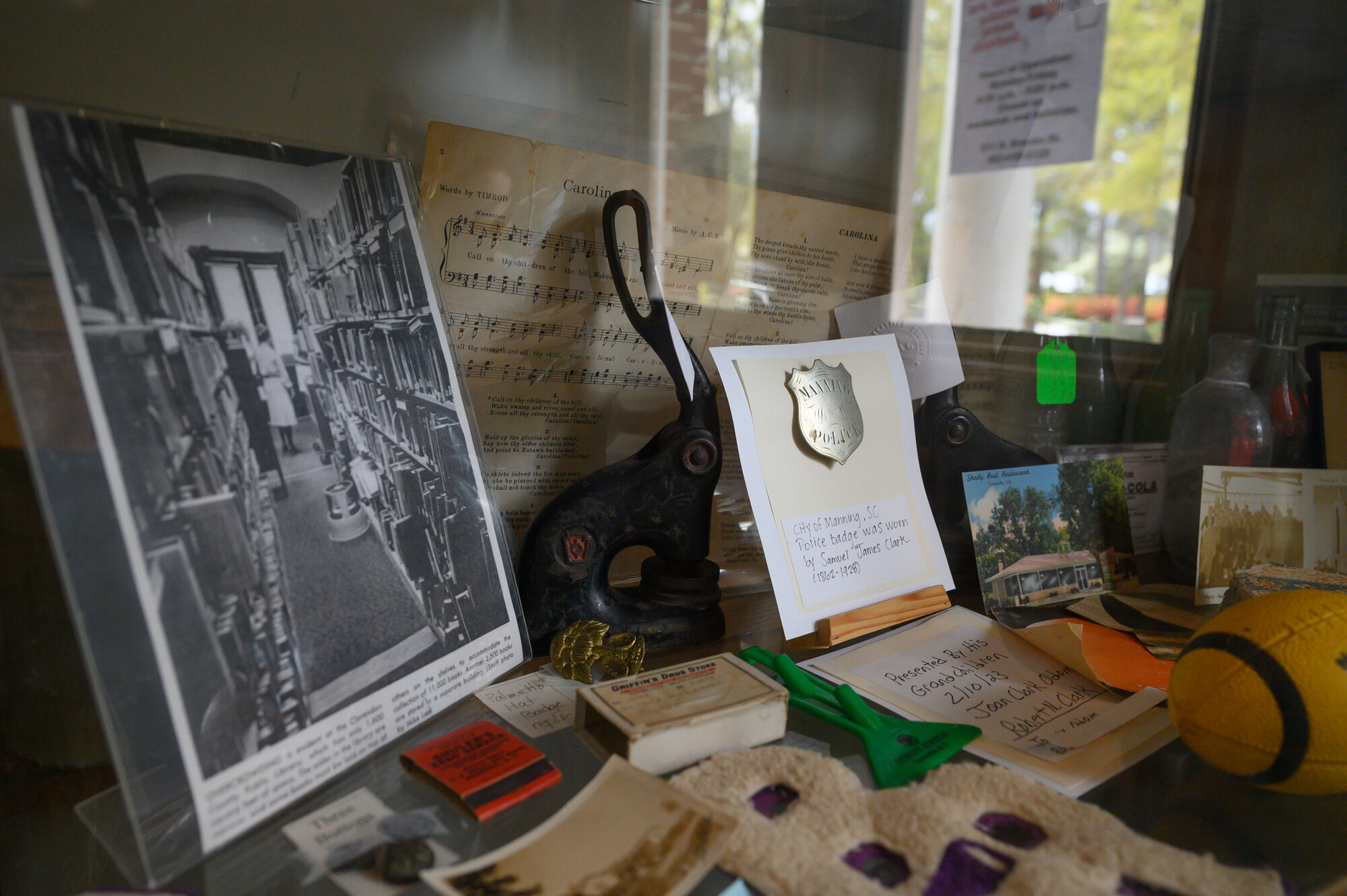
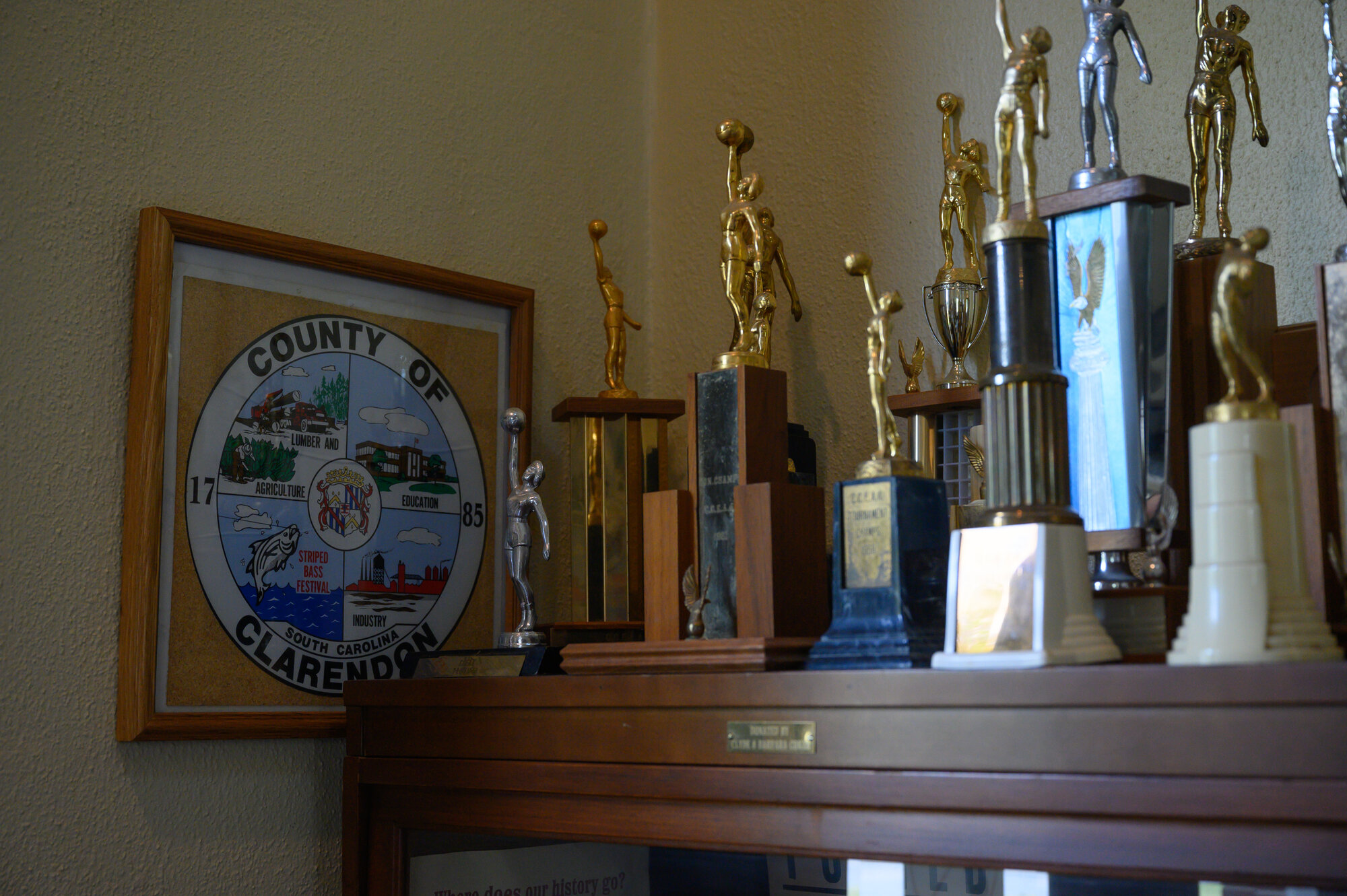
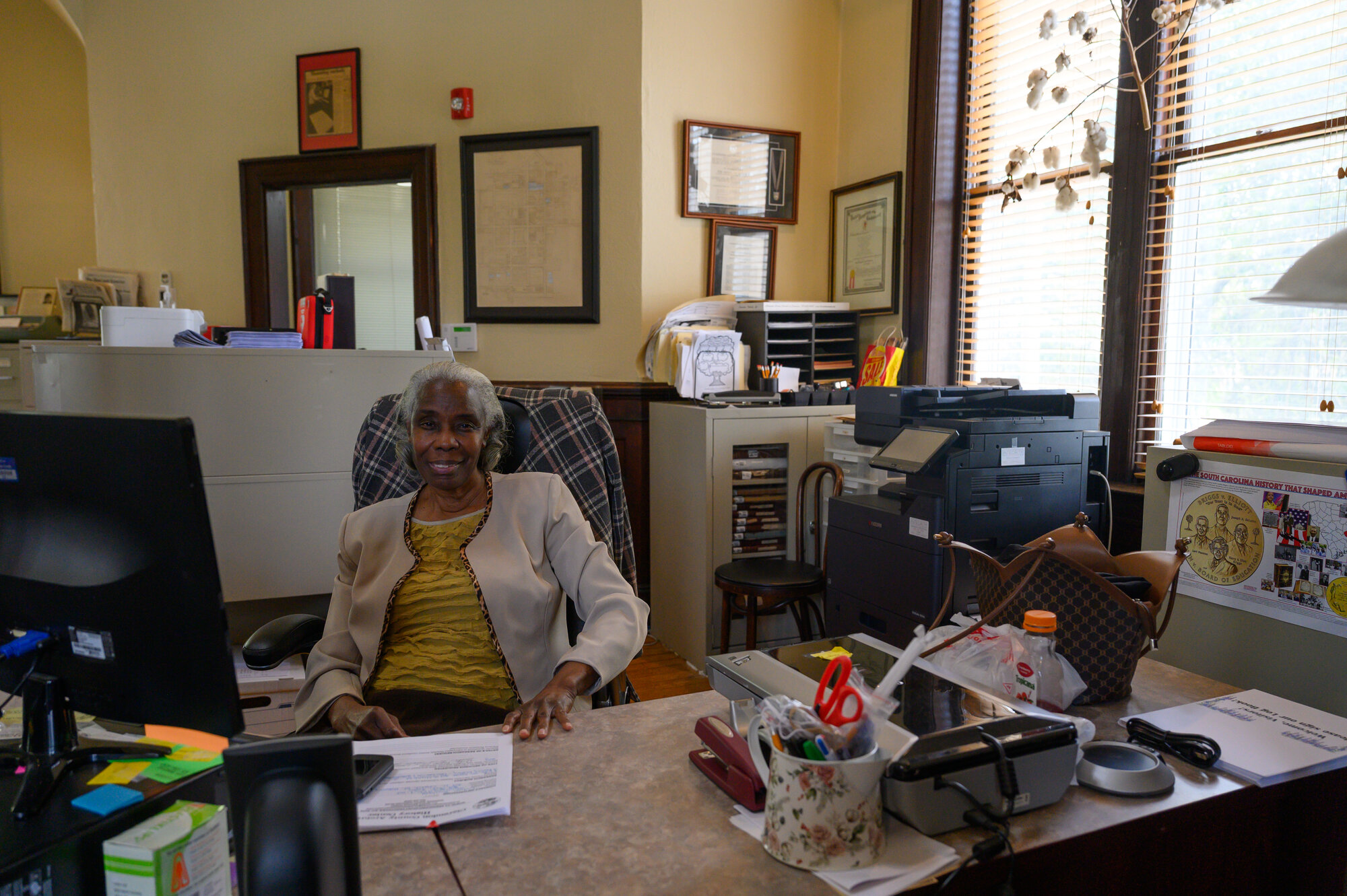
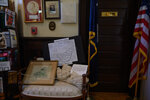
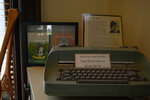
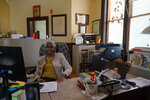
At 75 years young and with many of its original bones still in place, from its solid wooden doors to its dome ceiling, the facility has served as the county's connection to its past, to what makes Clarendon a county worth fighting for. Hundreds of visitors from across the county, state and country venture through its narrow doors, send emails or ring their phones in search of one thing: a connection. As the keepers of its vast array of records, Louise McFadden and Glyn Bethune assist strangers searching for their origins in a place they'll soon call home. The archives offer access to websites, newspapers, obituaries, maps and genealogical sites. Families, churches, cemeteries, organizations, schools - you name it and someone has entrusted the archives with their most prized possessions, from photo albums to family treasures to handwritten notes that ensure someone knew they were there.
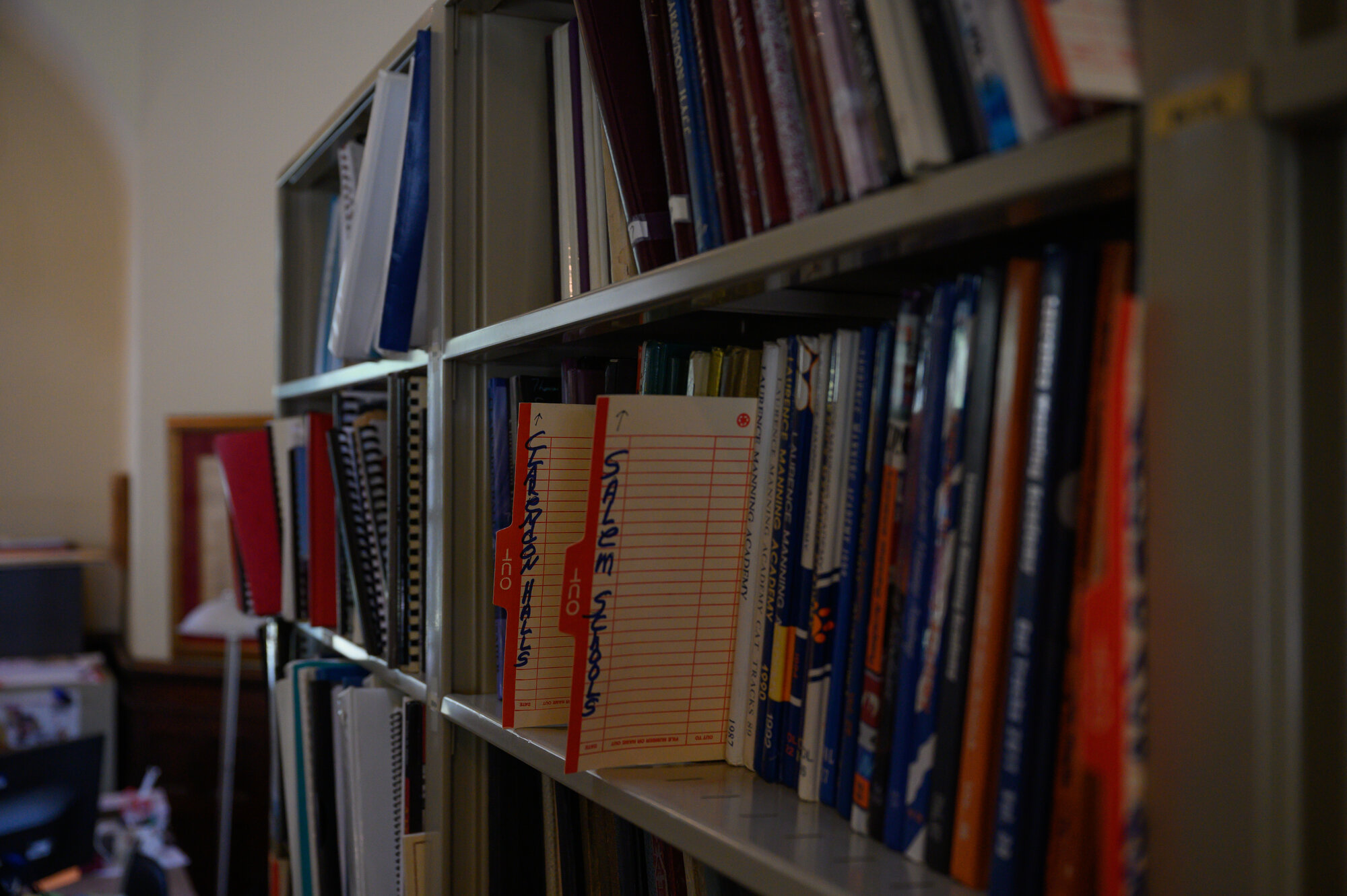
And its records stretch beyond Clarendon to even include those from surrounding counties, including Sumter, and to the greater history of South Carolina. There are records and research materials related to Briggs v. Elliott, the Clarendon County desegregation case that became one of the cases folded into Brown v. Board of Education. There are local school yearbooks pre-dating the glossy bound books we know today. Rather they're drawn, the art being the vision of a child eager to document their place in the county's history.
During the tour, one phrase captured the feeling of the place better than any inventory list could: "These walls can talk."
And in many ways, they do. They talk through the people in which it's impacted.
What can't be replaced
For many who spoke, the value of the archives was personal.
At the March 19 meeting, again and again, residents described the building as the place they turned to when other institutions, internet searches and distant agencies came up empty.
One woman described her journey of tracking down information about her father's military service, to understand the mark he had left on the county and on state. She took the information passed down to her through stories from family and friends and search archives in Sumter, Columbia, even as far as Missouri. Nothing.
Then she came to Clarendon.
"You would have thought I hit the jackpot," she told the room of people after having found information that dated back to his service in World War II.
Others spoke about using the archives to write books, verify property histories, track church anniversaries, locate records for probate matters and reconnect families that were separated by time and distance. The archives have helped a North Carolina woman connect with living relatives she never met before and been a source for factchecking an author of fiction novels because, in his words, "if you write fiction, it has to be true because somebody's gonna catch you."
For Lee Reaves, president of Clarendon County Historical Society, that kind of use is why the archives matter so deeply.
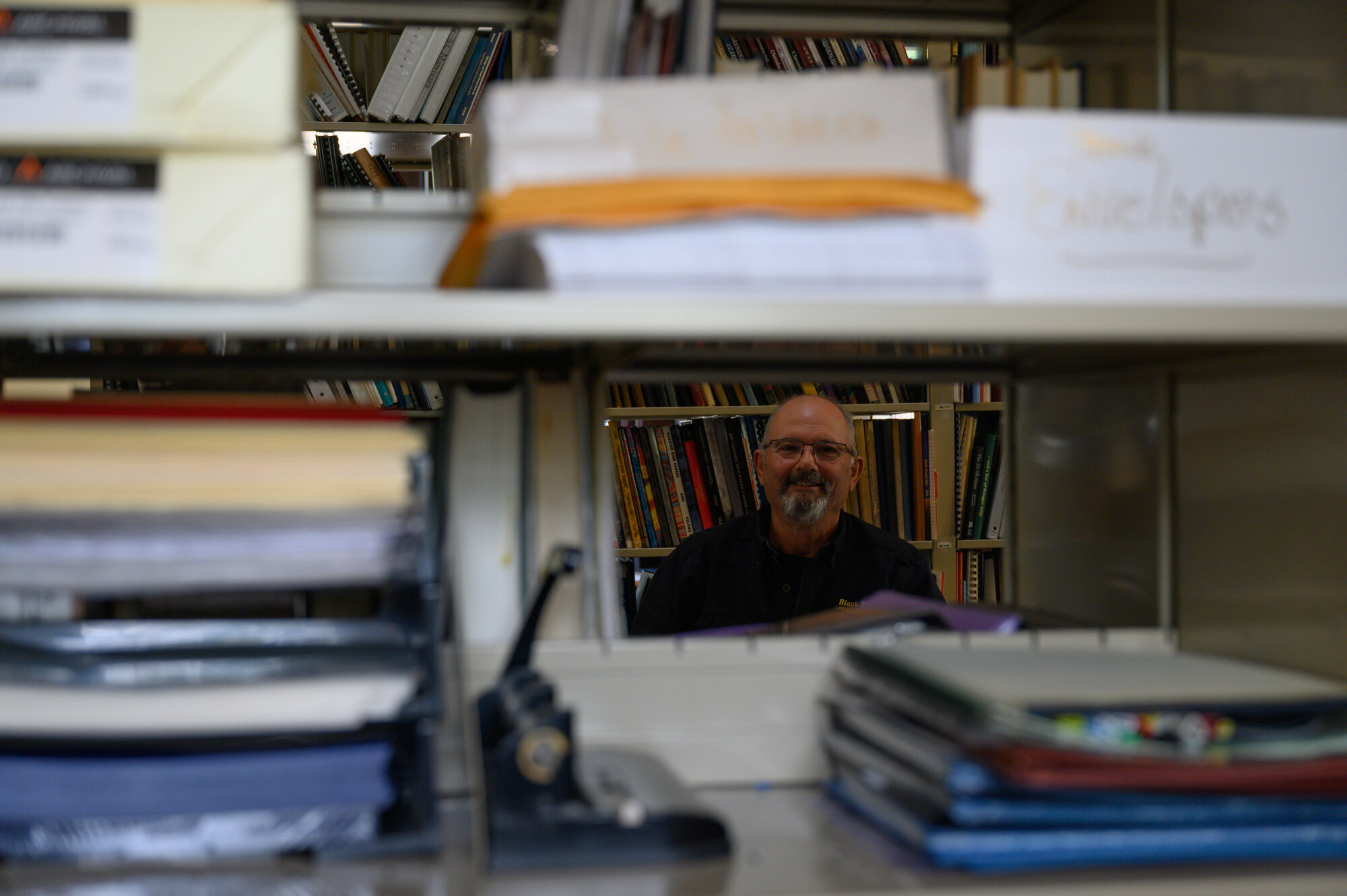
Reaves, 64, has spent the majority of life in Clarendon County. A graduate of Laurence Manning Academy and business owner, he has been rooted in the same farm and community, cherishing its people and its roots for as long as he can remember. While writing historical reflections for the Manning Times, he came into the role two months ago after writing an article on Francis Marion. After he accepted the invitation to speak to the historical society, it wasn't before long that he was accepting the title as its president.
Since then, the situation surrounding the archives has "certainly shaken us to the core."
To Reaves, the archives and the historical society are like cousins-connected by its mission to preserve and honor history and the kindred spirit to protect it. What concerns him most about the situation surrounding the archives is the irreplaceable nature of what is inside.
"We understand budget conservatism. We understand budget constraints. But we need to realize the importance of different entities and if this would be an entity, we got to realize that if this is gone, it will never come back," he said. "There's so much information in here that you just can't get anywhere. It has to be housed in a certain place and kept all together for some continuity and that's what happens here."
Community concerns, county response
Those fears of losing the archives -be it the structure or what is preserved inside-spilled out at the March 10 meeting.
Reaves said he had never seen a turnout of that size in council chambers.
From 7:30 p.m., the meeting stretched well into the night and the general consensus in the room became clear: Whatever the county's financial or structural concerns may be, residents do not want to see the archives be abandoned, scattered or handled in a way that puts the records at risk. They wanted clearer answers.
Some of the concern came from confusion over what exactly had been proposed and whether anything has or would be discarded. Several speakers referenced rumors that suggested materials had begun to be disposed of. Others said they were troubled by remarks by a county official that allegedly downplayed the archives' value to the public, calling it "junk" and that if it were to close tomorrow, nobody in Clarendon County would care."
That statement was met with vocal reactions and growing distrust.
Residents also questioned cost figures that were shared with the public but had heard different annual estimates and struggled to obtain itemized information. Others said the quantifying foot traffic in the archives does not determine its value. Some days, there will be two visitors, other days, there may be 12. Archive staff told The Item they did see a significant increase in visitors in the days and weeks since the meeting, with people stopping in to drop off donations or words of encouragement to continue the fight.
Two county council members, Councilman Pat Coker and County Council Chairman Jay Johnson, attended the meeting and were not initially ready to speak. However, after hearing community concerns, they sought to address some and draw a distinction between repairing the building and disposing of its records.
Johnson said repeatedly that the officials are not trying to destroy the county's past.
"We don't plan on taking half of it, put it here and half of it there," he said. "We plan on trying to find one spot to move the entire collection where it will be open and accessible to the public."
He also spoke of immediate issues with the condition of the building, such as leaks, mold and faulty air conditioning, all things that could harm or destroy the records. Some residents with close ties to the building and its upkeep interjected to say renovations have been done in recent years and the building's condition is suitable for use.
Coker echoed that no county records or archival materials would be sent to the landfill, as some residents have speculated. And though it was confirmed some items have been discarded, it was clarified by other county officials at the meeting that the items were not related to Clarendon and were not able to be identified for preservation.
Still, even as officials stressed that no final decision have been made, the residents remained uneasy. Much of that came down to trust, to know that their representatives were hearing their concerns and were willing to go the mile to find solutions. They wanted commitments in writing, a clearer explanation of options and a firmer promise that records would remain together and if moved, they would be properly preserved.
On March 21, following the meeting, Clarendon County Government released an update that state Rep. Fawn Pedalino and council members Johnson and Coker were working to secure funding aimed at restoring the archives to "proper condition" and ensuring its "long-time preservation." However, "due to the current condition of the building, it is not suitable for safely housing archival materials at this time" and items would be "temporarily relocated" until repairs are completed.
"Upon completion, the intent is to donate the Archives building to the Historical Society, ensuring it remains a dedicated space for preserving Clarendon County's history for future generations," the update read.
What's at stake?
For Reaves, the stakes, be it high, are simple and deeply personal. To him, history is not optional, it's not transactional and it's not something that dwindles down to a cost-at least not monetarily. With as rich of history as Clarendon's, he believed that without such a road map and secure location to search through it, the future is grim.
"I have one mantra: If you don't pay attention to history, you're doomed to repeat it. I was thinking about some analogies, and history is like a parent. It guides and directs you, and that's what history should be."
That is why he urged residents to stay engaged as discussions continued.
Those looking to help, he encouraged people to follow Clarendon County Historical Society Museum on Facebook for updates, attend county meetings, visit the archives and contribute where they can, because showing up is half the battle.
"Just be a part of the family, because this-this is family history."