
Try to beat the heat this summer with tips from Sumter Fire Department

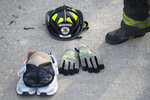
When South Carolina's humid summer heat starts to settle in, few people know its dangers better than firefighters.
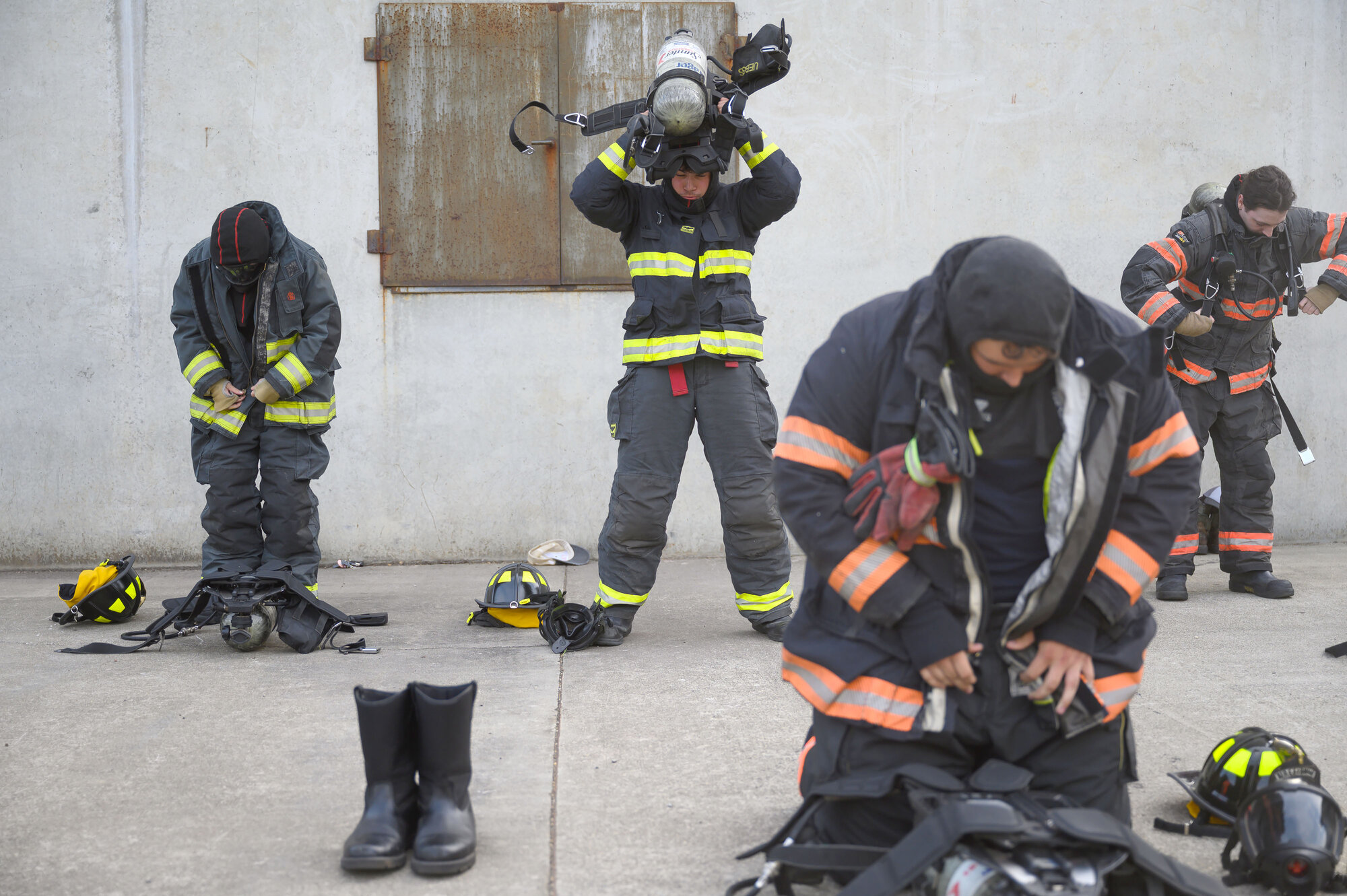
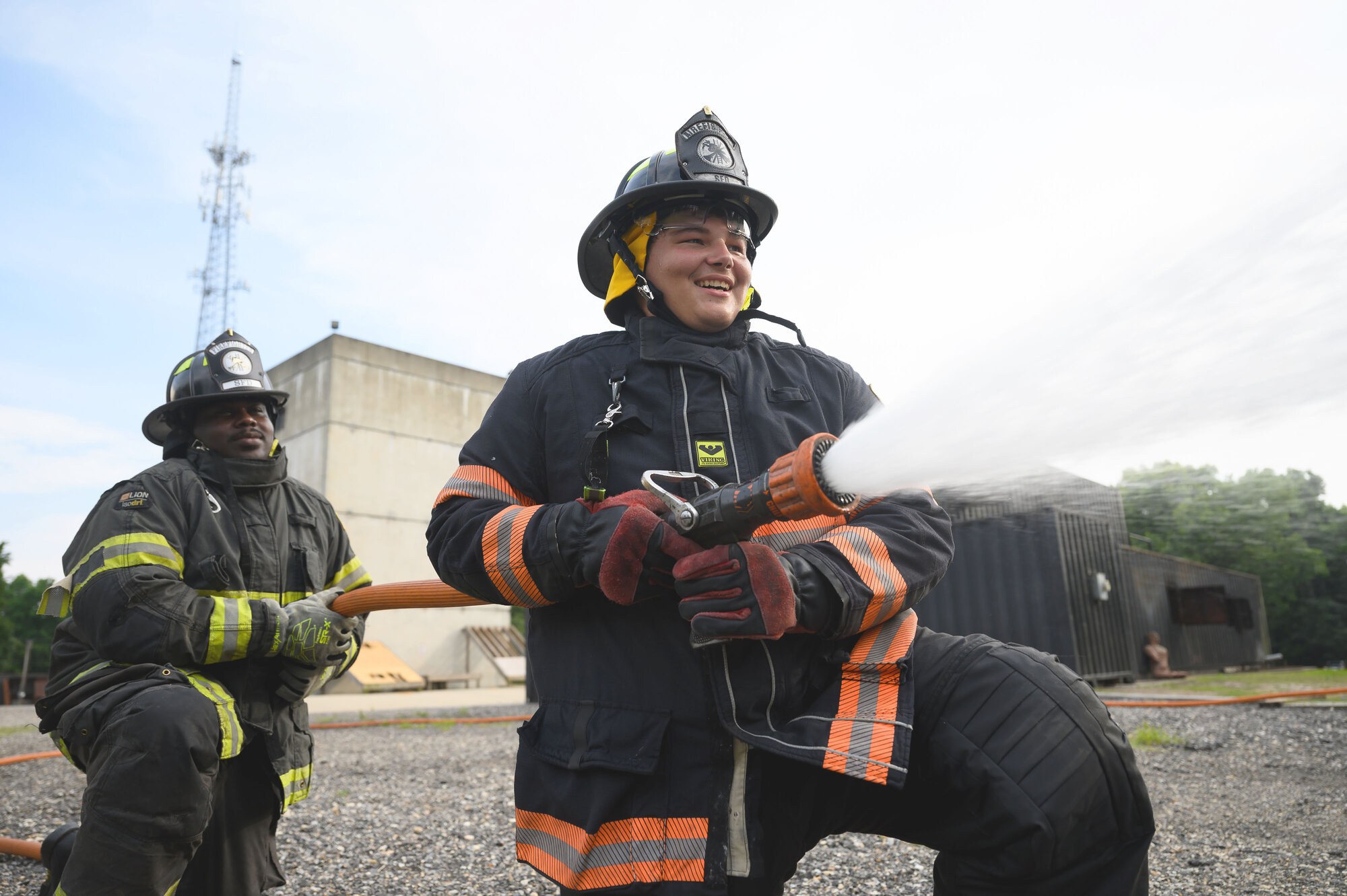
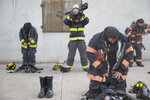
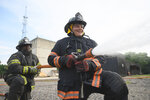
Whether they're battling house fires, responding to emergencies or training in heavy protective gear, firefighters regularly work in temperatures far higher than the weather forecast predicts. They know firsthand how quickly heat can turn from uncomfortable to dangerous.
As temperatures climb and the heat index soars, the same precautions firefighters use to protect themselves can, too, help residents beat the heat during the hottest months of the year.
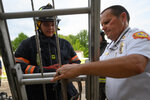
Sumter Fire Department's Lt. Selena Smith shared several reminders to help people recognize the signs of heat-related illness, stay hydrated and avoid unnecessary risks while spending time outdoors this summer.
Here are some heat safety tips to keep in mind as the temperatures continue to rise:
Stay hydrated. Whether you're working in the garden, playing a recreational sport or enjoying some quality time outdoors, drink cool water, at least one cup every 20 minutes, even if you are not thirsty.
Dress for the heat. Smith encouraged light-colored, breathable clothing that can allow ample air flow. Also, wear a hat and sunscreen.
Pace physical activities and take frequent breaks. Take enough time to recover from heat given the temperature, humidity and conditions. Take breaks in a designated shady or cool location.
Do not leave anyone inside a parked vehicle, including pets. Vehicles can reach dangerous temperatures. Young children, infants and pets are particularly vulnerable to heat-related illness and death, as their bodies are less able to adapt to heat than adults.
Check on your neighbors. During this time of year, it's good to keep in contact with friends and neighbors, as everyone deals with heat differently. Older adults, particularly those with pre-existing diseases, take certain medications, are living alone or have limited mobility, who are exposed to extreme heat can experience multiple adverse effects. Those with chronic medical conditions are more likely to have a serious health problem during a heat wave than healthy people. Pregnant women are also at higher risk, as extreme heat has been associated with adverse birth outcomes such as low birth weight, preterm birth, infant mortality and congenital cataracts.