
S.C. resolution will help enhance wildlife habitat by promoting native plants
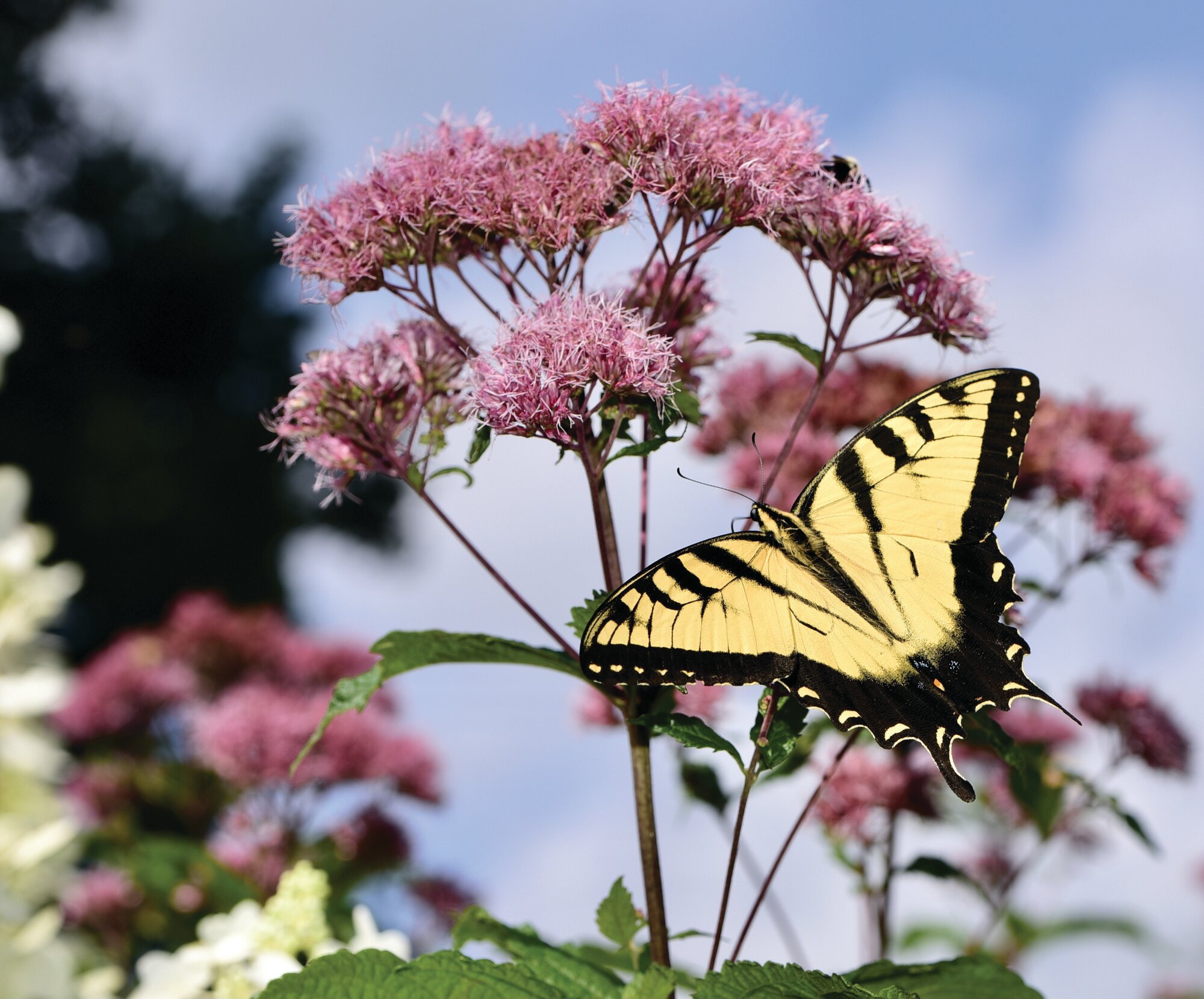
Native plants have formed symbiotic relationships with native wildlife over thousands of years and therefore offer the most sustainable habitat for wildlife. In an effort to increase the availability of quality habitat for wildlife, South Carolina Wildlife Federation and several other conservation organizations drafted a concurrent resolution to "recognize the essential value and importance of South Carolina native plants to the state's environment, landscape, agriculture, history, and economy, and to encourage State agencies, local governments, and private landowners to use native plants for landscaping, erosion control, and vegetation management whenever possible to promote the viability of migratory and nonmigratory pollinators and to help to preserve South Carolina's unique flora and fauna."
This resolution was passed by the S.C. Legislature on April 23.
"Passage of this resolution shows that S.C. leaders value the natural beauty of our state and have a desire to preserve the essential habitats on which our wildlife depend," said Sara Green, SCWF executive director. "This is a critical time to enhance habitat for wildlife - our state has more than twice as many species of concern as we did only 10 years ago. Our organization stands ready to assist anyone who needs additional information about native plants valuable to wildlife."
A plant is considered native if it has occurred naturally in a particular region, ecosystem or habitat without human introduction. Exotic plants that evolved in other parts of the world or were cultivated by humans into forms that don't exist in nature do not support wildlife as well as native plants. Occasionally, they can even escape into the wild and become invasive exotics that destroy natural habitat.
Native plants help the environment the most when planted in places that match their growing requirements. They will thrive in the soils, moisture and weather of your region. That means less supplemental watering, which can be wasteful, and less pest problems that require toxic chemicals.
Native plants also assist in managing rainwater runoff and maintaining healthy soil, as their root systems are deep and keep soil from being compacted. Discovering the native plants where you live can also define a unique sense of place and heritage for your garden habitat while preserving the natural history of the flora and fauna of your region.
Native plants often provide food for wildlife in the form of berries, seeds, nuts or nectar. Some wildlife will eat the leaves, too, including caterpillars. Native plants also provide shelter and nesting sites for wildlife. There are a wide variety of native options for any landscaping need. To assist in using native plants for landscaping, the SCWF website's Native Plant page has a long list of native plants which are valuable to wildlife, as well as a list of local plant nurseries which sell native plants, at www.scwf.org/native-plants.
SCWF also has a partnership with Gardening for Wildlife where you can mail order native plants at https://fundraising.gardenforwildlife.com/1i2qgt.
In South Carolina, native oaks and maples are great options for large trees, as well as smaller trees like dogwoods, red bud, paw paw and sassafras. Examples of native garden plants which are beautiful and also have value for wildlife include: coreopsis, black-eyed susans, joe-pye weed, yarrow, bee balm, columbine and milkweeds.
To recognize the efforts of landowners who incorporate native plants for habitat, properties can become Certified Wildlife Habitats through the SCWF and the National Wildlife Federation. This designation ensures valuable habitat while also helping to educate neighbors and community members about the needs of wildlife. Even larger properties such as industrial sites can be certified through SCWF's Wildlife And Industry Together program.
Companies like BMW, Honda, Michelin, Duke Energy and others have already converted their unused lands to wildlife habitat. If homeowners, business owners and local governments work together, the whole neighborhood or town can be certified through the Community Wildlife Habitat program.
All of these programs focus on native plants and other habitat elements as well as sustainable gardening practices. South Carolina's new Native Plant Resolution furthers efforts by the General Assembly in the past. In 2017, a bill designated the third week of every October as Native Plant Week in S.C.
In 2018, the "Solar Habitat Bill" created guidelines for using native plants at large-scale solar installations. The full text of the new Native Plant Resolution can be viewed on SCWF's website at www.scwf.org/news/nativeplantresolution.