
Guest column by Councilman Carlton Washington: Rural children deserve opportunity - and rural taxpayers deserve answers
Editor's note: This piece was not fact-checked. The Item has reviewed Washington's public Facebook page because he uses that platform extensively to express his political views regarding Sumter School District. Additionally, he has told The Item he will not respond to its phone calls regarding his stances on the district.
Thank you, Bruce Mills, for inviting me into this conversation and for your constant observation of my Facebook page. And for your subsequent articles on realignment and the financial crisis that Sumter School District still needs to address. Thank you for pointing out the additional almost $1 million added to the growing deficit for the new executive leadership hires, who will not be in classrooms teaching our children. Interestingly the board had a 4-1 vote with two board members deciding not to even vote on the budget. As we all know, the deficit is requiring the district to use its reserve funds for the first time since 2016. However, the budget passed based on your July 17, 2026 article, while knowing both the board chair and vice chair were not in agreement due to the decline in enrollment.
Bruce, your article on Sept. 30, 2026, confirmed the results of the magnet school survey showing almost 75% of those surveyed showing an interest in a magnet program. The survey would have been larger if the district had access to the other 60% of the student population, but unfortunately that is not a reality. Your reporting helps keep these concerns before the public and gives rural families an opportunity to be fully engaged and heard.
Many thanks to the superintendent for providing the consultation with the magnet expert. As you know, there is a magnet school right across the Sumter County line in Florence, and Columbia has 21 magnet schools. And luckily our superintendent has indicated he has experience with running one of them.
I am lending my voice to rural, taxpaying constituents who have said, "enough is enough." These families want innovation, specialized programs and meaningful educational choices for their children comparable to the opportunities available in the city and in other schools within the region.
Our children deserve the same consideration, investment and commitment to excellence.
The superintendent has publicly emphasized equitable learning opportunities, and reporting on the district's proposed program study identifies equitable offerings across schools as a goal. I welcome that commitment. Rural families now need to see how it will translate into programs, resources and measurable progress toward closing the academic divide they see between county and city schools.
Realignment is not a new conversation. On April 11, 2022, the school board approved a realignment plan by a 5-4 vote, with implementation intended for the 2023-24 school year. A newly constituted board voted unanimously in January 2023 to delay it. The district's current website records another postponement on Sept. 8, 2025. These decisions are part of the public record.
Each postponement deserves an explanation. What concerns prevented implementation? What has been done to resolve them? What conditions must be met before the board will act? Families should be able to follow a clear path from study to decision to implementation.
The history of consolidation also deserves scrutiny. Former Sen. Phil Leventis' role in that history, which Mills has discussed, remains relevant to this conversation. In my view, consolidating the districts without adequately addressing attendance boundaries and equitable access left rural communities carrying unresolved burdens. This contributes to the continued transportation dysfunction which causes students' late arrivals and missed academic engagement opportunities.
This also results in rural taxpaying citizens contributing to our tax base but still receiving less than equitable educational opportunities for their children, which is morally corrupt.
Mr. Leventis subsequently sought and won a school board seat and served on the board that delayed realignment. That sequence warrants public accountability. It does not establish why he ran for office, but it does justify asking how his current decisions address the concerns that remain from consolidation.
Ms. Cousar-Johnson, your position that realignment should be informed by a facilities study deserves substantive scrutiny. Current information about building conditions, capacity, enrollment, transportation and program access should guide decisions. However, my understanding is that the district has already undergone at least three studies under multiple superintendents since the 2011 consolidation.
The district should publish an inventory of those studies, distinguish facilities assessments from attendance-boundary and program studies, and explain what each recommended. Which recommendations were implemented? Which were set aside, and why? What unanswered questions require another study?
A study has value when its findings lead to informed action. Rural taxpayers deserve to know what previous work has been accomplished and how the next study will move the district toward a decision.
Ms. Cousar-Johnson, at the Sept. 14 meeting, you arrived after the vote concerning whether realignment discussion would remain on the agenda, according to my observation. Your constituents therefore did not have your vote at that critical moment. I believe that was a missed opportunity to advocate for the families who elected you. How many other opportunities have you missed the chance to stand and be the voice of those same people who voted to elect you?
Those families still deserve a clear answer: Will you support bringing realignment back for open discussion, and what specific steps will you take to secure equitable opportunities for rural children?
The financial questions require the same scrutiny and transparency. Realignment should be evaluated for its potential to balance enrollment, improve the use of facilities and support equitable staffing and programs. Any projected savings should be documented alongside transportation costs, transition expenses and the effects on students and communities.
Taxpayers deserve understandable financial information, realistic options and an explanation of the cost of continued delay. Financial responsibility and educational equity must be considered together.
The rural community is asking the board to keep realignment before the public, release and explain prior studies, provide a clear financial analysis and establish a timetable for decisions. Rural families must have meaningful opportunities to help shape that work.
Our communities contribute to this school district. Our children belong to this district. Their futures deserve sustained attention and action. We have been trying to right this inequality since 2011.
Enough is enough. Rural families have waited long enough for opportunity to become a reality.
I am a public official who will act with civility. I am not a public official who is going to be quiet. I am going to say the hard thing. Let's go to work!
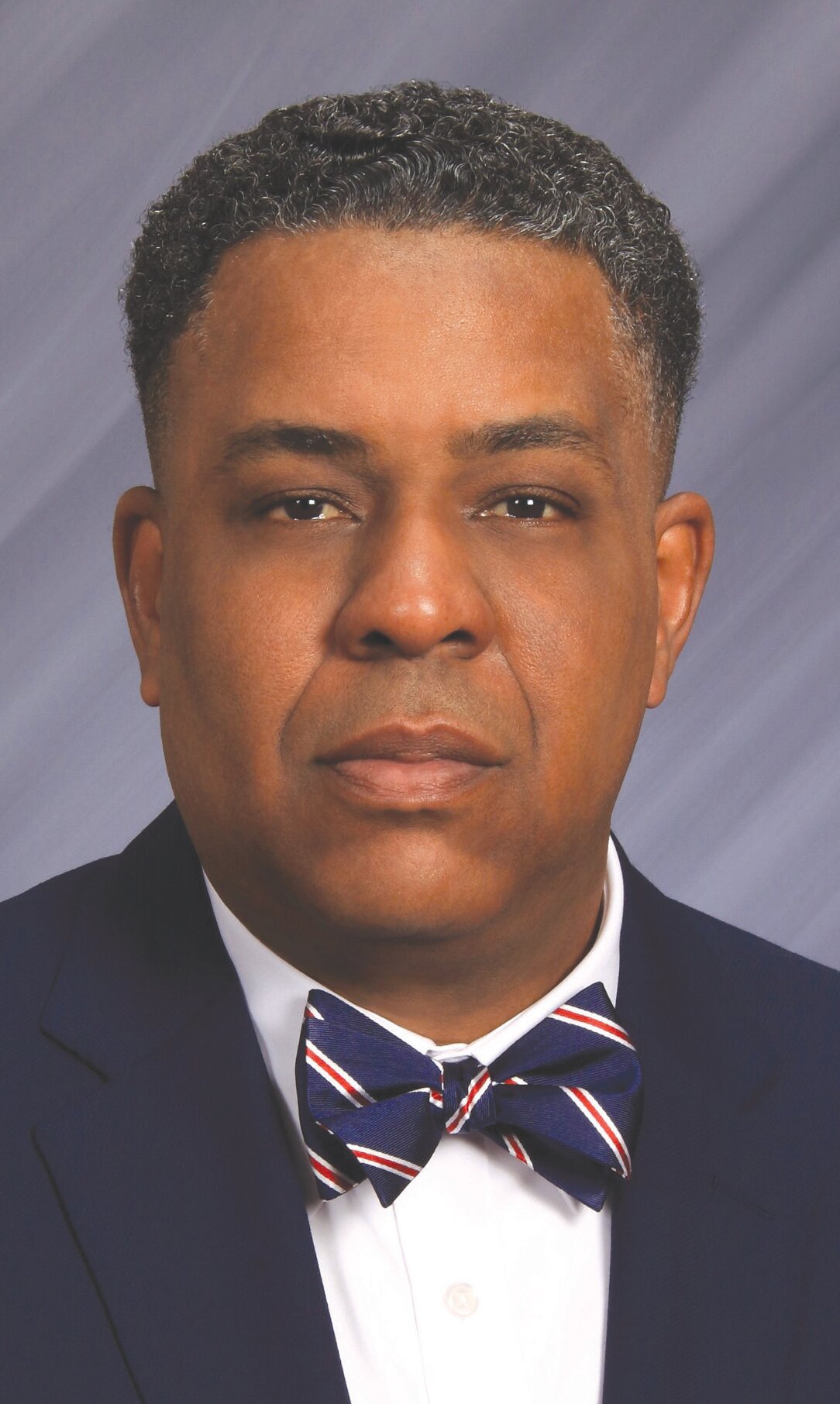
Councilman Carlton B. Washington represents Sumter County Council District 1.