
Past is Present, presented by Sumter Museum: Festival on the Avenue grand marshals on serving, celebrating South Sumter
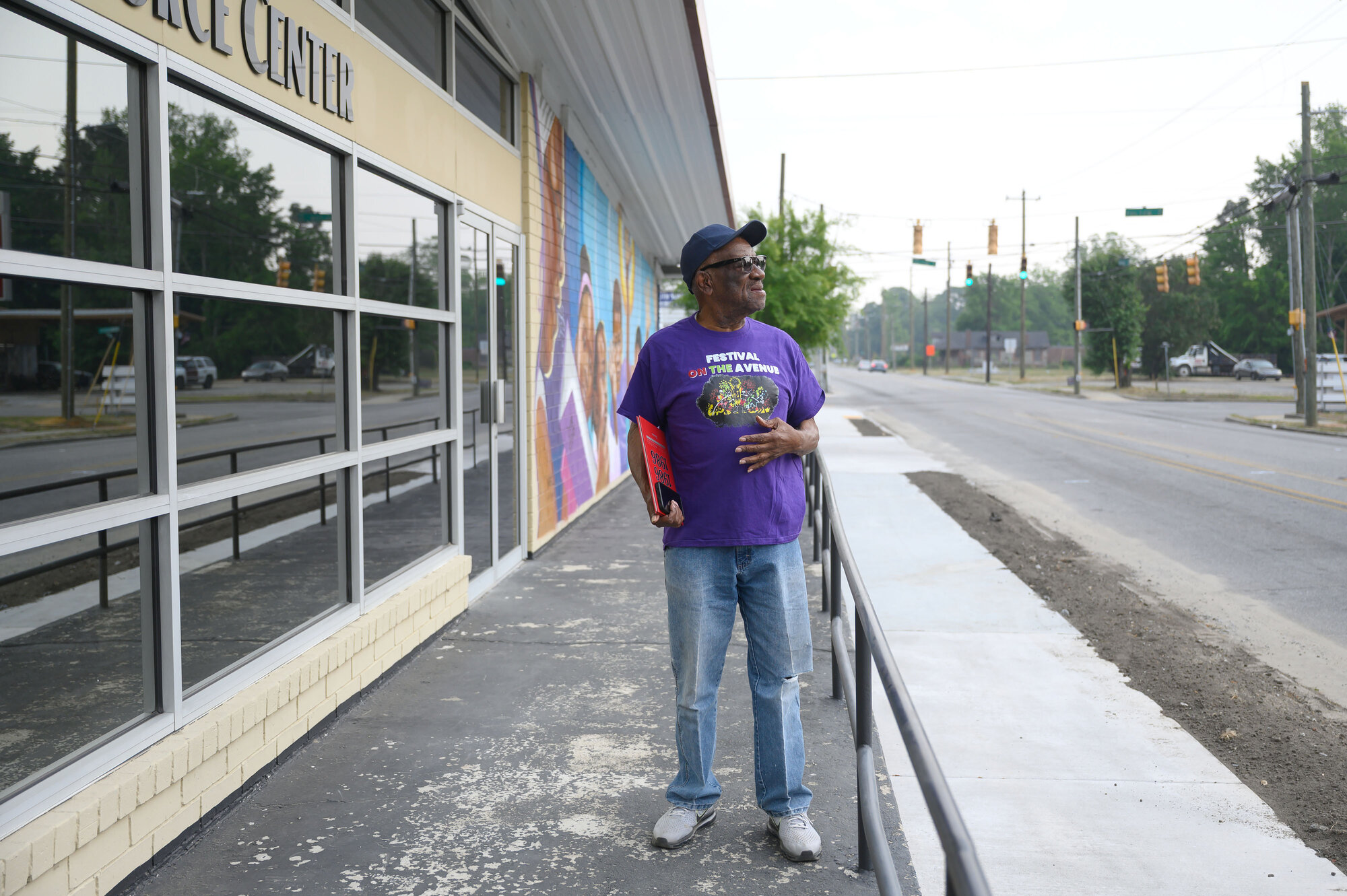
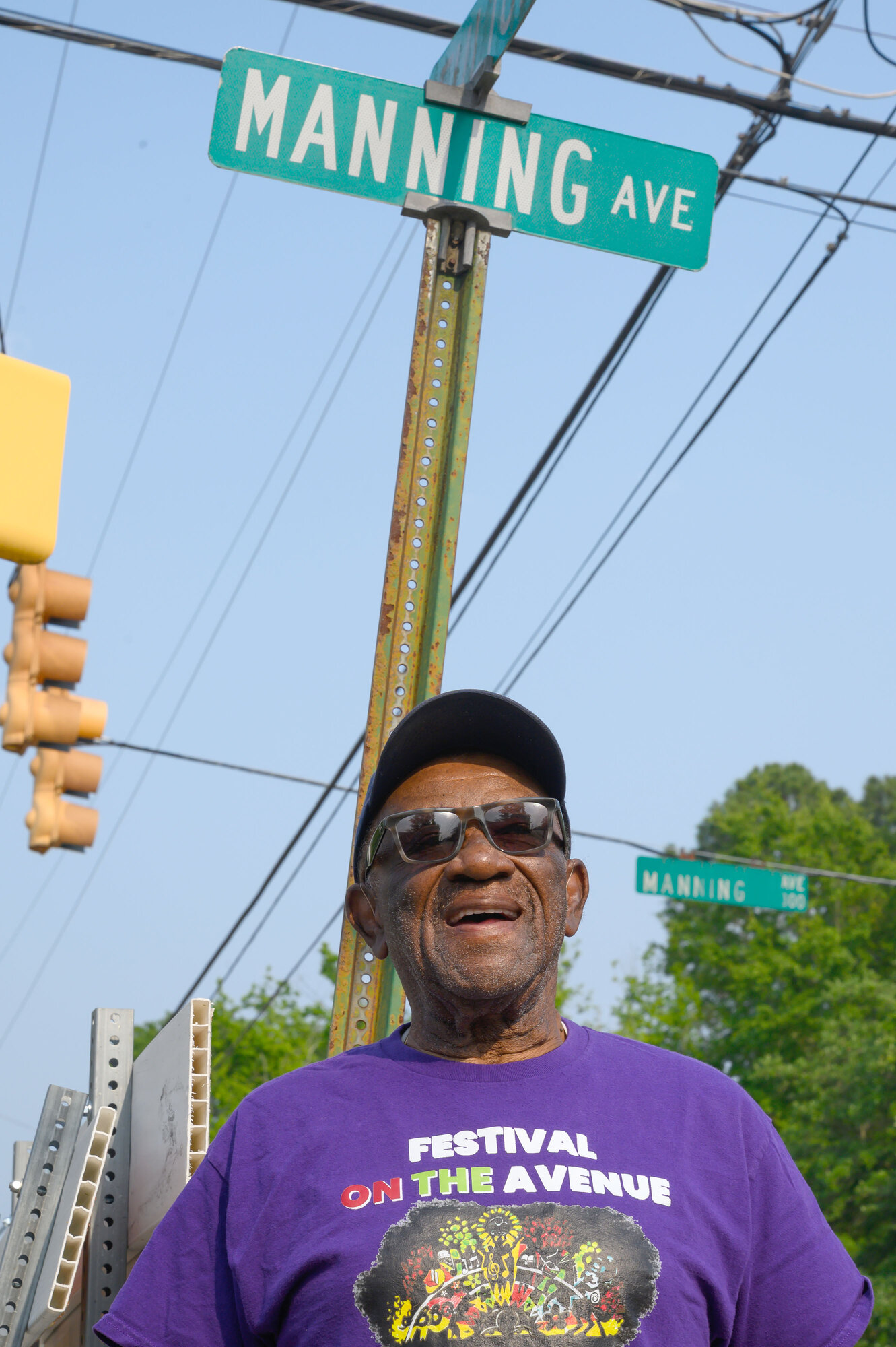
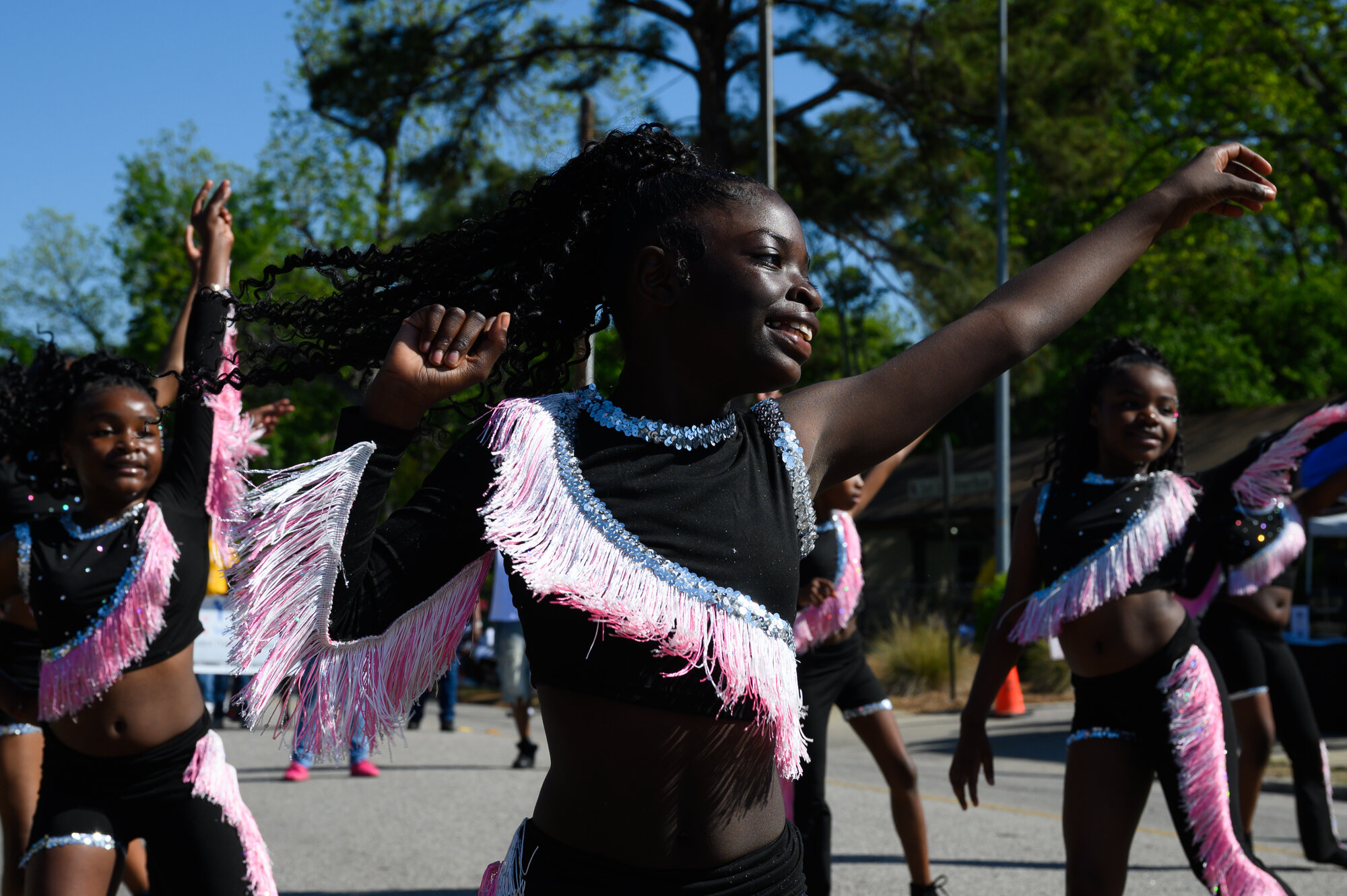

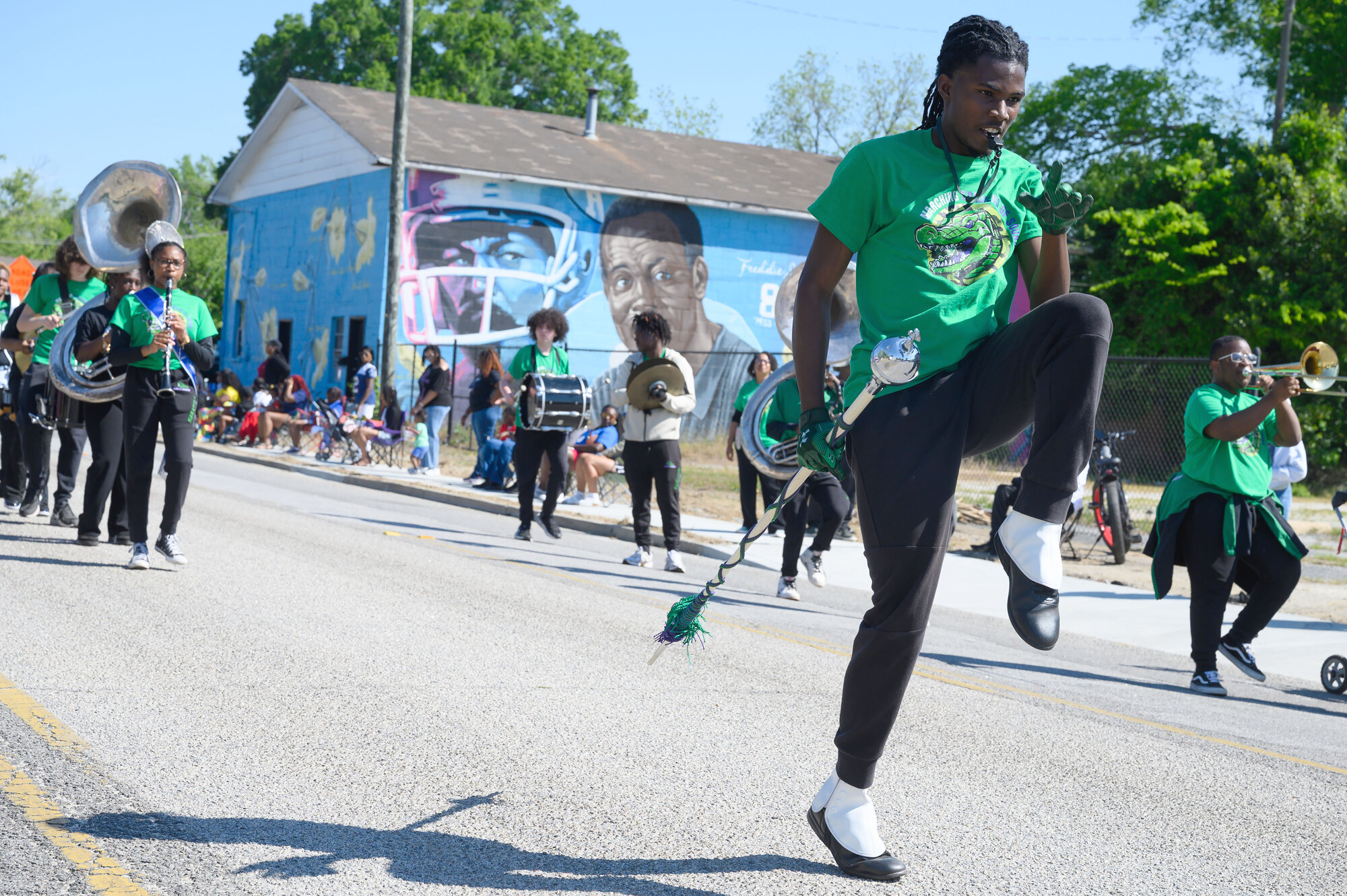
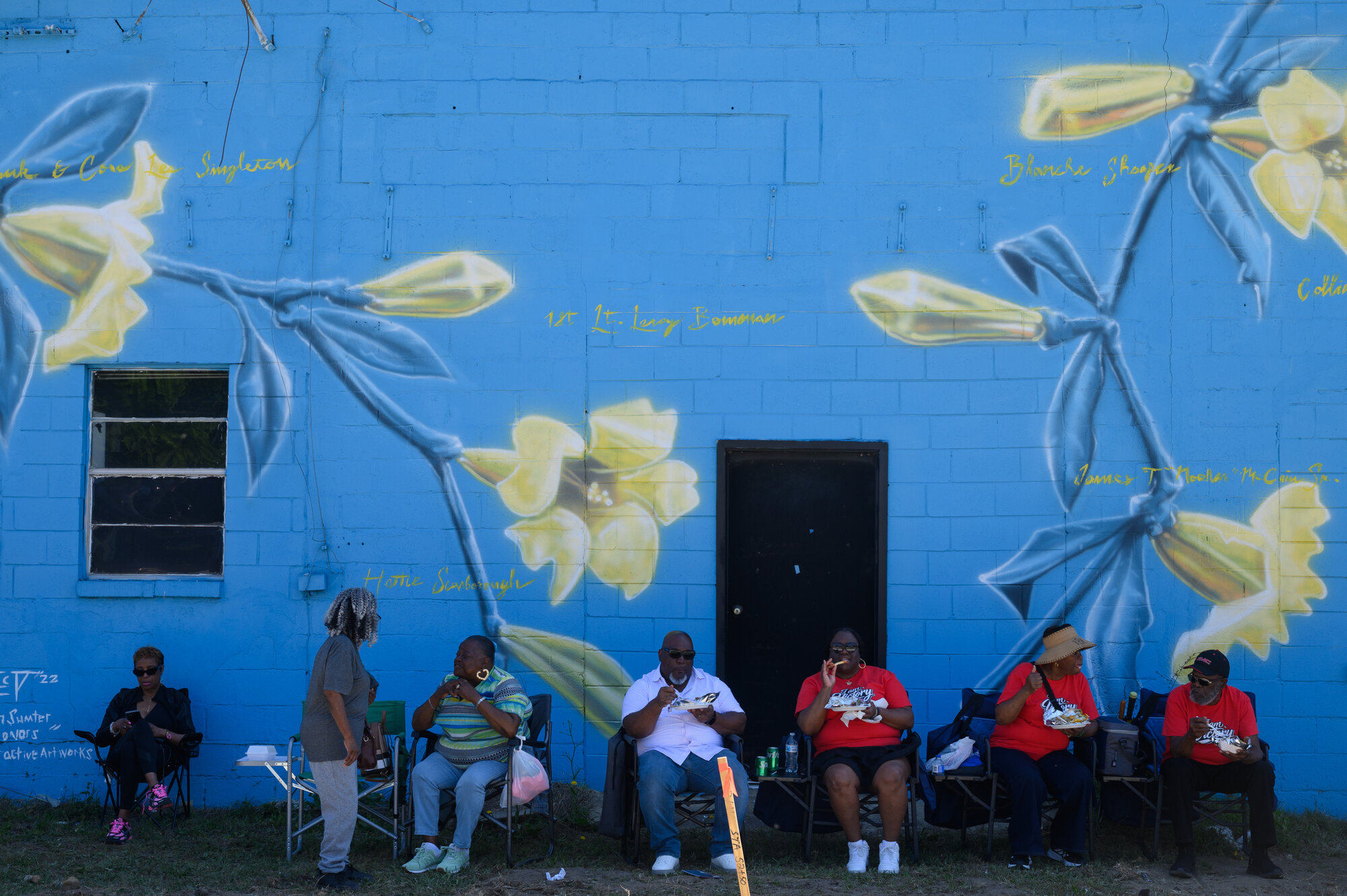
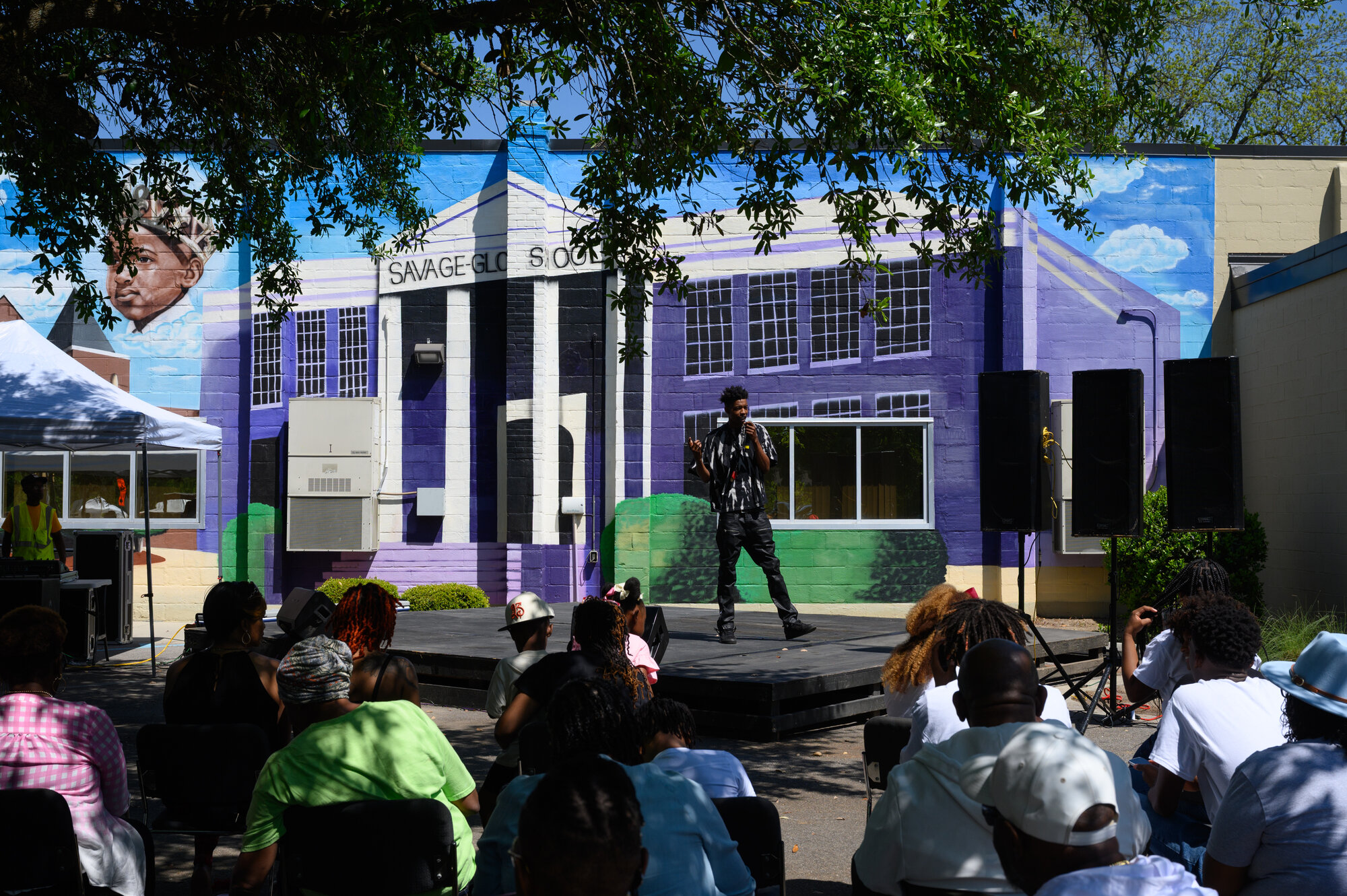










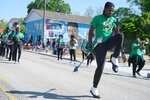

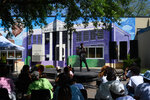
There's a lot to celebrate in South Sumter, from its icons to innovators to its identity. What makes it unique and undeniably its own is how the stores linger along and around the avenue, the murals that depict generations of memory and pride, the buildings and businesses that once made the corridor a world of its own.
More importantly, the celebration is alive in the people who gather, laugh and keep old bonds from fading with time.
That is part of what makes the annual Festival on the Avenue so special. For many, it serves as a homecoming and a reminder of where community and culture can be celebrated. A reminder that history is not tucked away in the past, not when those who exhibit service and shared pride in where they're from have anything to do with it.
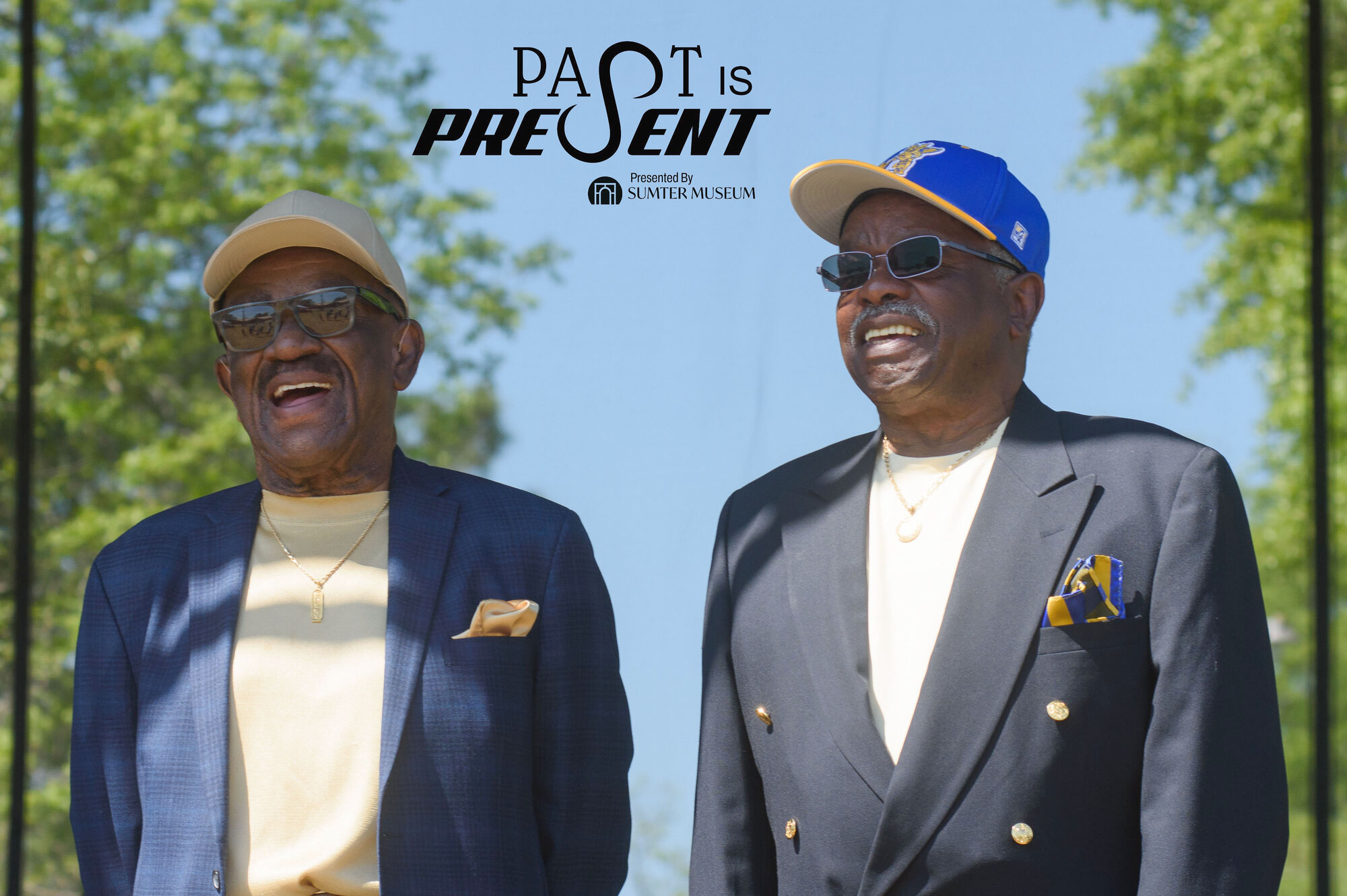
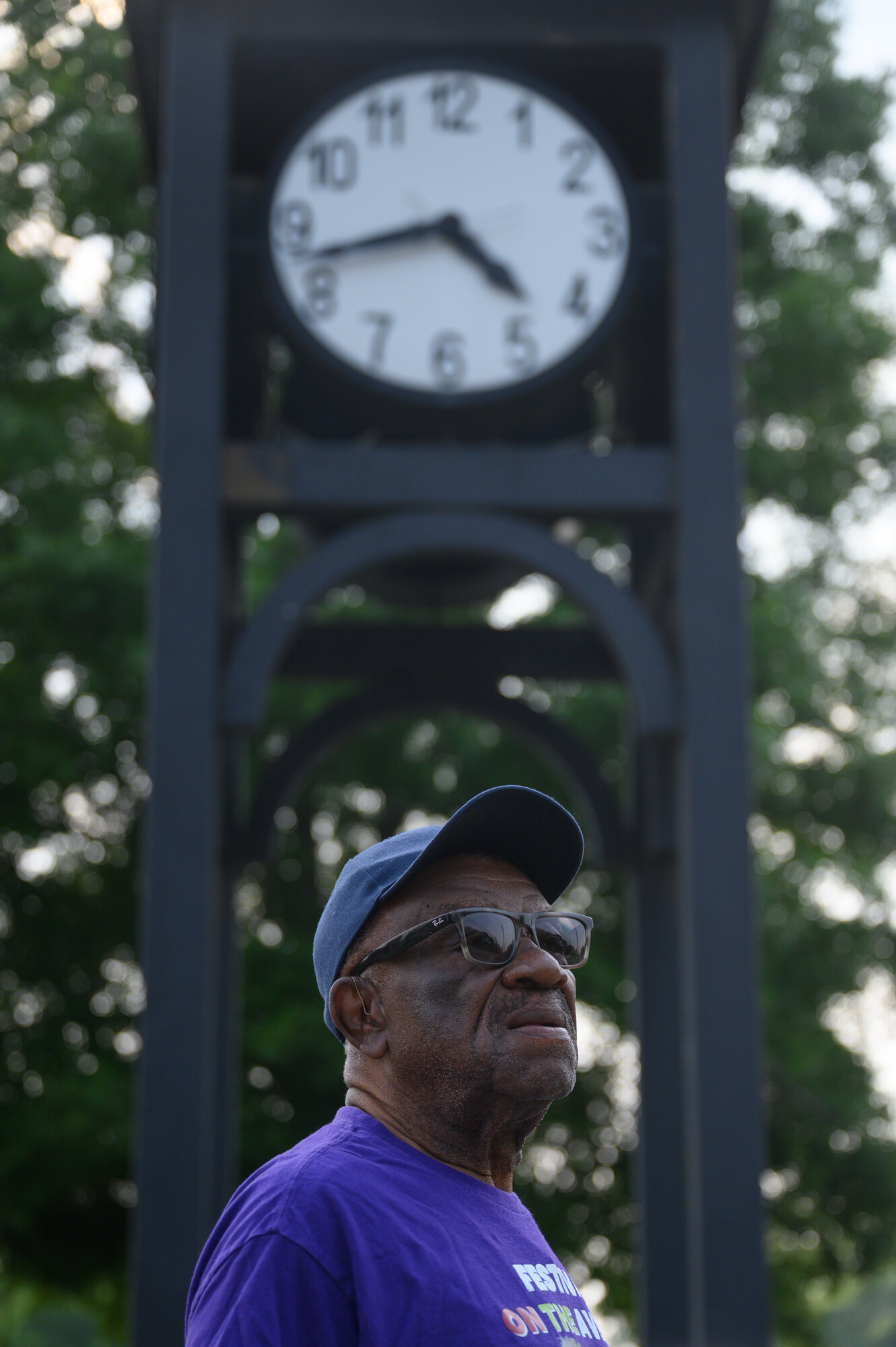
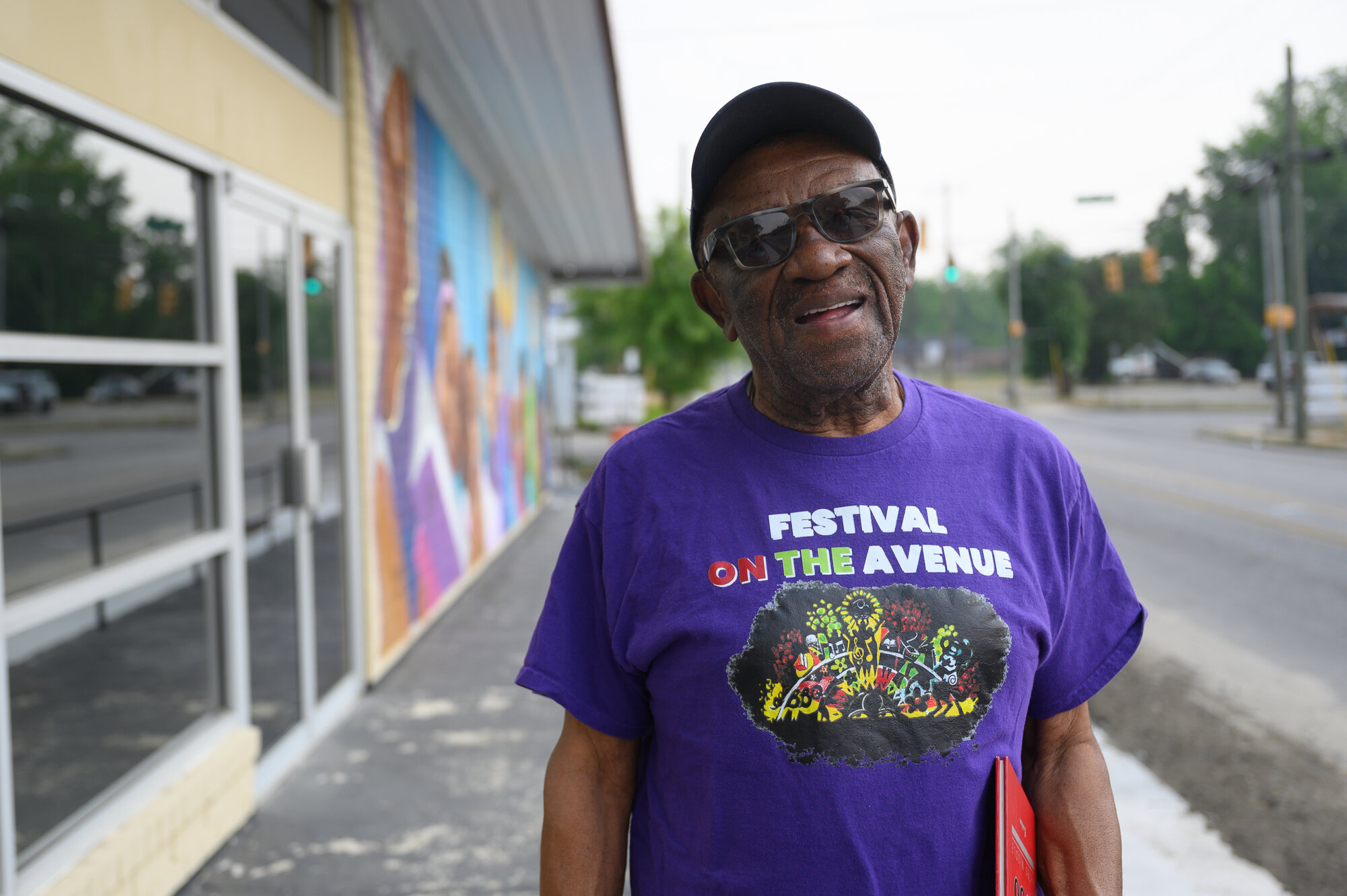
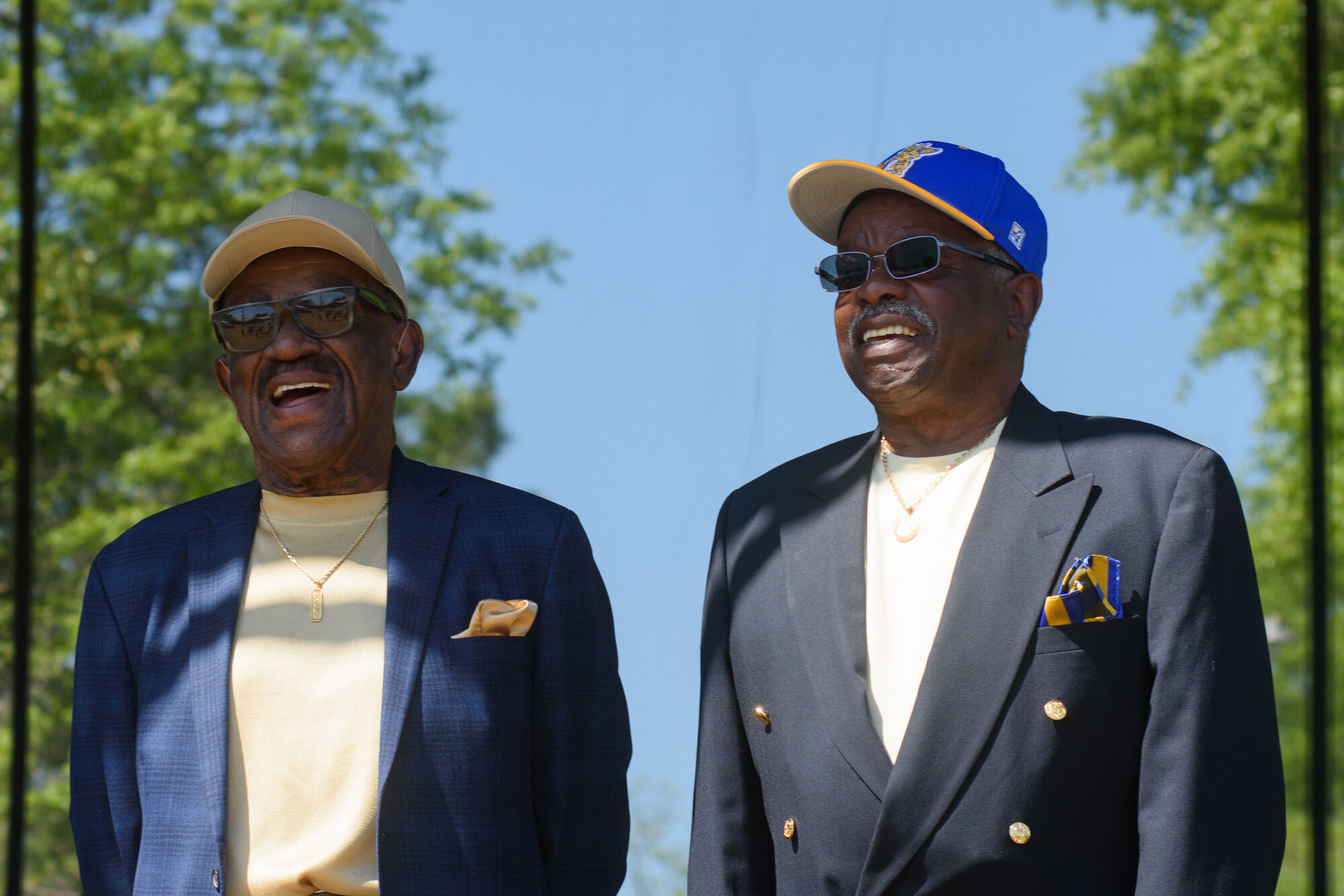
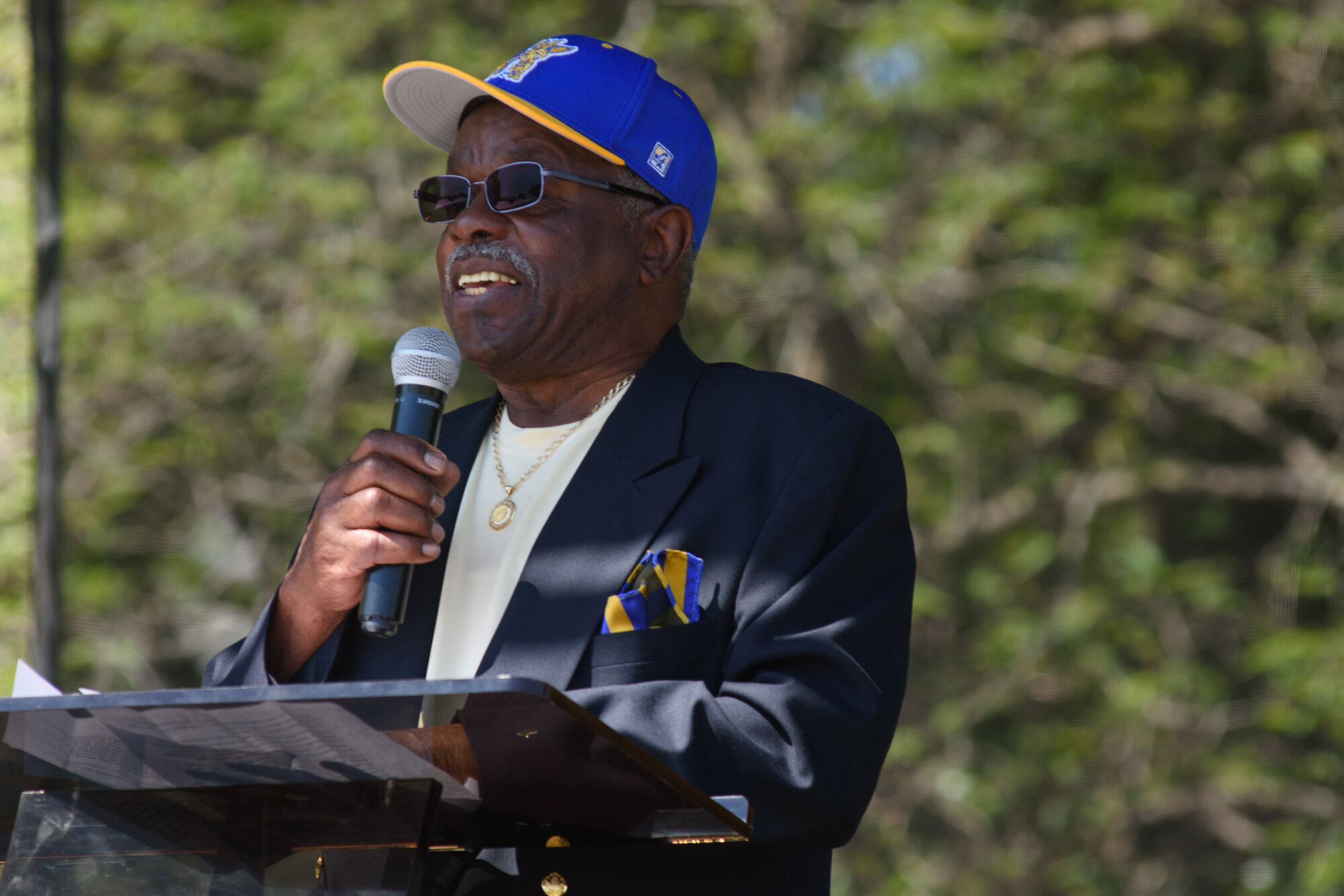
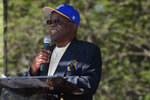
As this year's grand marshals, Coley White and Robert Johnson know that as well as anyone.
Long before taking their place at the parade's helm, both men spent decades helping shape the community the festival now brings together.
"I grew up there on the South Side of Sumter, and to see people come together just gives me a tremendous feeling of community," Johnson expressed.
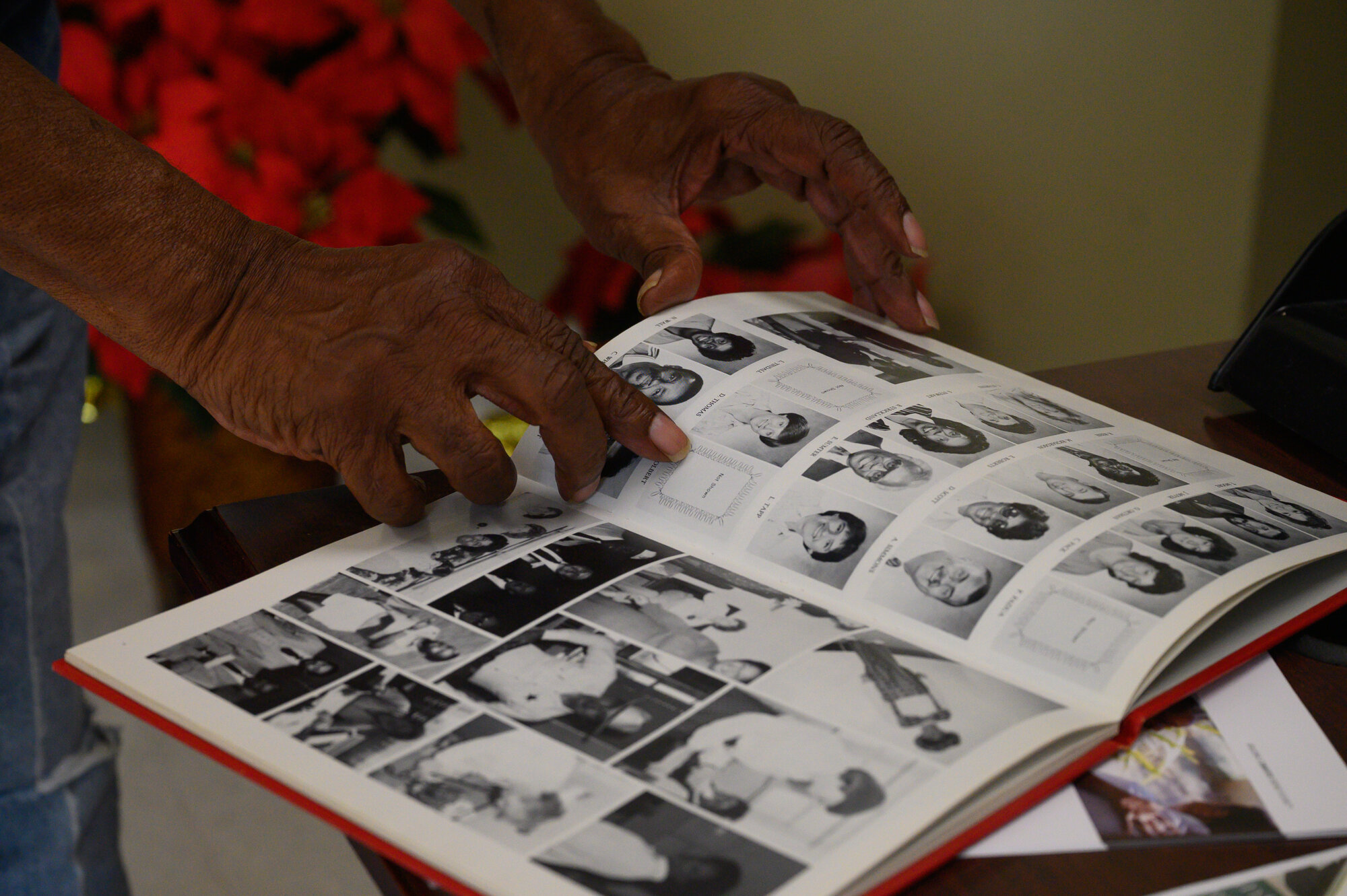
The South Side has shaped much of Sumter native Johnson's personal and professional life. A graduate of Sumter's all-Black high school, Lincoln High School, where he was named salutatorian for the Class of 1962, he continued his academic journey at Sumter's historically Black college, Morris College. Johnson graduated with a degree in mathematics before earning a Master of Education in Counseling from the University of South Carolina in 1974.
That commitment to education and service would become the throughline of his life. To students, he devoted 30 years to teaching math at Savage-Glover Elementary, Sumter's all-Black elementary school, and Bates Middle School. He lent his academic expertise to Morris College and Central Carolina Technical College as an adjunct math professor as well as to USC Sumter as an academic advisor, for a collective 20 years. To the community, he is a life member of several esteemed organizations including NAACP, American Legion, Morris College National Alumni Association and South Carolina National Guard Association. He also serves in an array of leadership positions, from chair of Emmanuel United Methodist Church's Trustee Board and church treasurer to treasurer of Festival on the Avenue board and second vice commander of American Legion Post 202 and serving in various other community initiatives.
To his country, he served in the United States Army and South Carolina Air Guard for 24 years before retiring in 1997.
That same call to serve, rooted in the same streets and schools, shaped White's path as well - and ultimately bound the two men together.
White graduated from Lincoln High in 1959 before attending Voorhees Junior College in Denmark, South Carolina, then returned home to graduate from Morris College in 1965. He later earned his degree from University of South Carolina.
White's career began in Baxley, Georgia, where he served as a teacher, athletic and recreational leader and director. After five years, he returned home to then-Sumter School District 17, where he spent more than two decades as an educator and coach.
During his career, he was named Teacher of the Year and received the Dorothy F. Givens Education Award at Bates. White was also named Coach of the Year and earned numerous accolades across football, basketball and track, leading his teams to championship titles, including six track championships between 1981 and 1997 and three basketball titles from 1980 to 1985. He was later recognized in the Sumter County Sports Hall of Fame and Sumter High School Hall of Fame.
Through the years, that shared commitment to service became deeper than just parallel paths for the pair. It became a partnership.
Be it in classrooms, on athletic fields or in community spaces across South Sumter, White and Johnson worked side by side pouring into generations of young people who would come to know them simply as "coach." Their roles may have been different, but their mission was the same: to give back to the place that had given them so much.
"We are a giving community," Johnson said of South Sumter. "We just love one another."
And in many ways, that instinct to give - their time, their knowledge, their care - is what helped lay the groundwork for something bigger than either of them.
When Festival on the Avenue, the brainchild of the late artist David "Pablo" Sanders, first began in 2007, it was modest. Only a handful of vendors took up a single block in the historic corridor. Bands played for whoever stopped to listen, and artists shared their creations with whoever was eager to indulge them. And even with its small start, the event was still a success because it possessed what the South Sumter community was known for: the spirit of a community used to gathering, used to making something out of what it had.
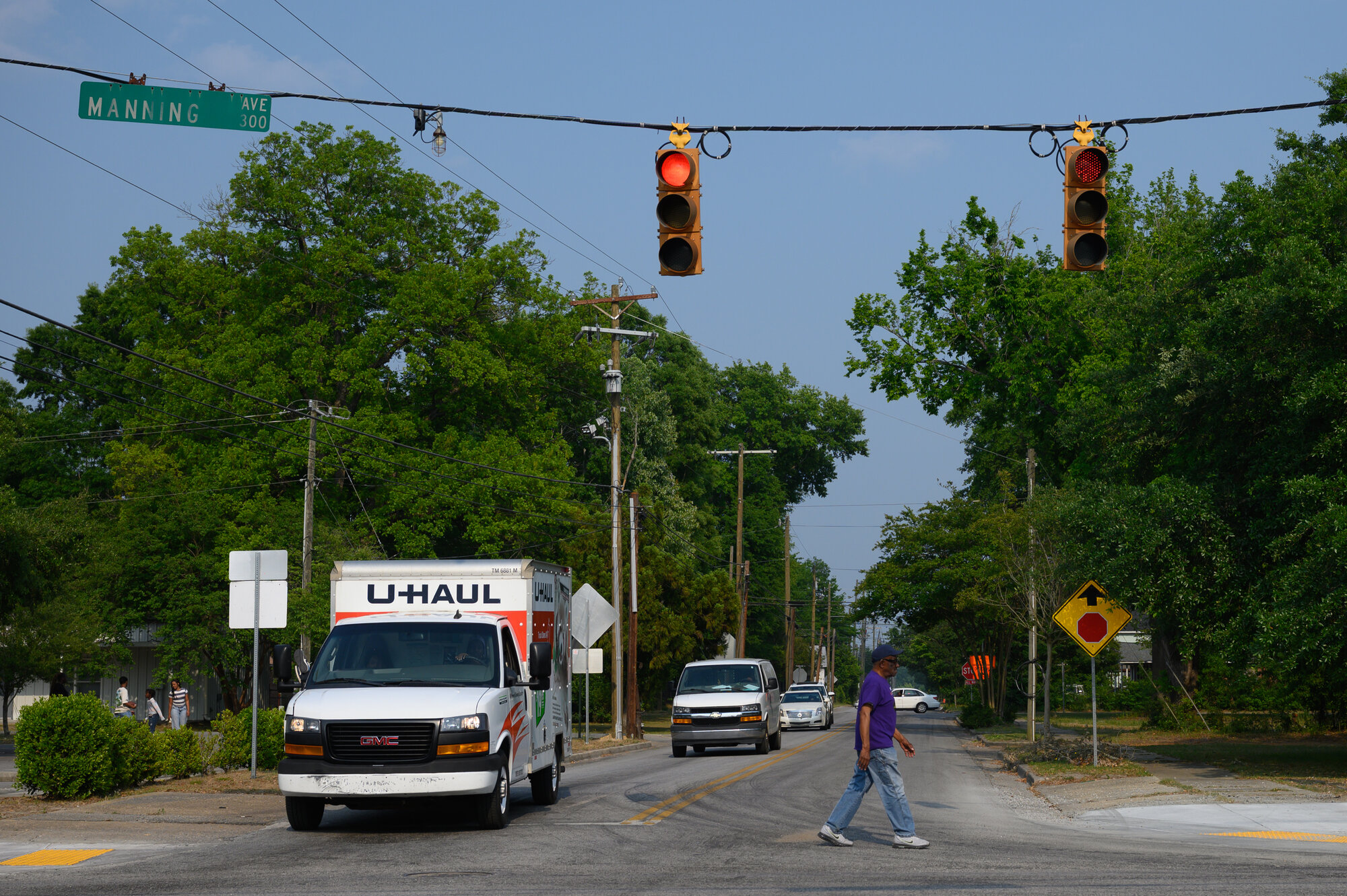
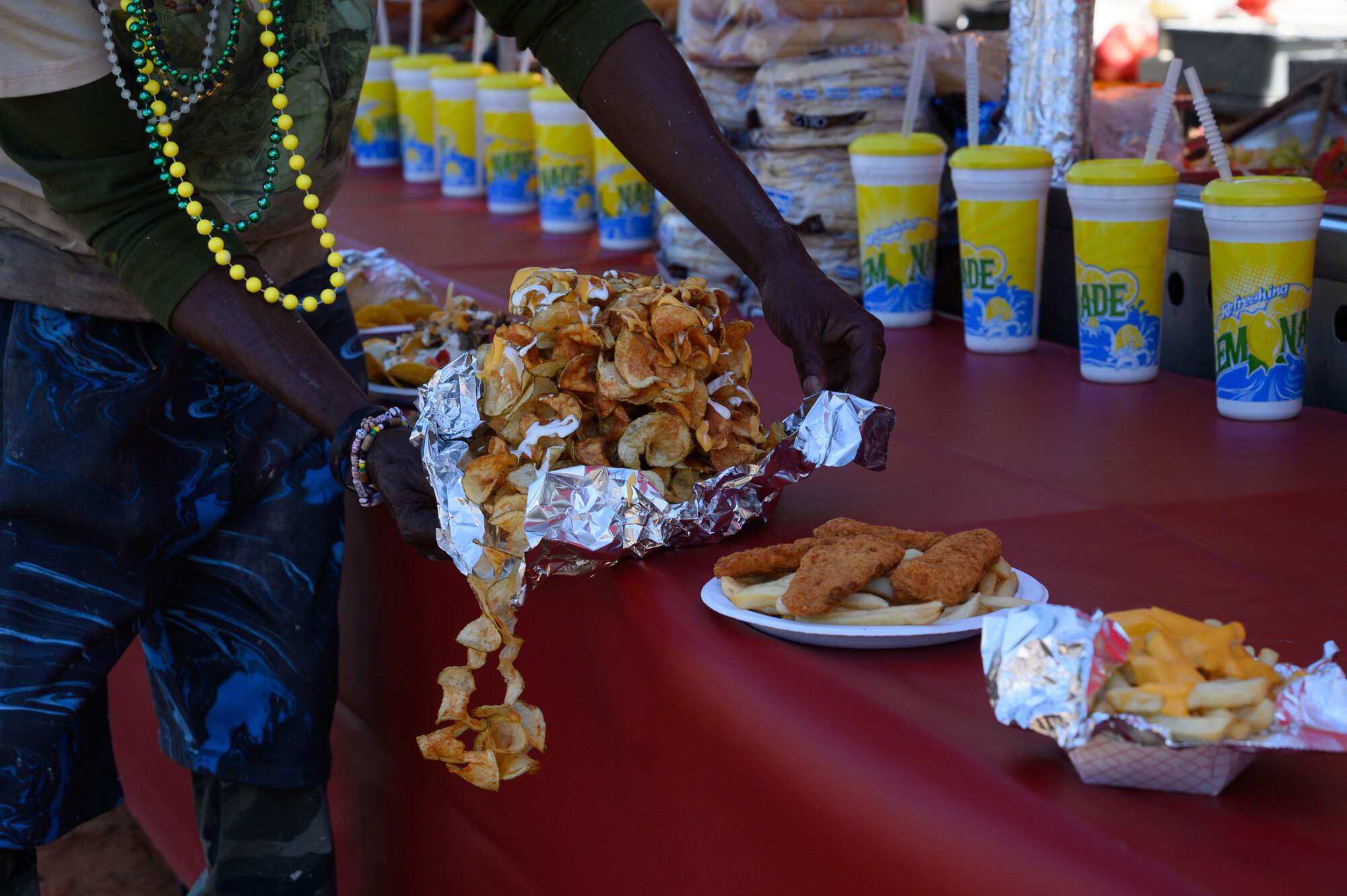
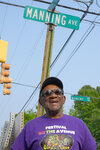
White explained as more churches, residents and local leaders joined in, the festival grew to stretch down Manning Avenue, filling the corridor with music, food and faces both new and familiar. And year after year, behind the scenes, White and Johnson were there, doing the work they had always done. Organizing vendors, walking the avenue, checking in, solving problems and making sure things were handled.
While he joked some issues are above what he can handle, he's grateful for the trust the community puts in him and Johnson.
"By working in the school and being involved with so many kids, they respect me," he explained. "They look for me to handle it because they trust me. They have a lot of faith in me."
And White is adamant that without the backing of a committee - including Lorraine Dennis, John Pringle, Goliath Brown, James Duke, Valerie Brunson, Karen Watson, Gwendolyn Clyburn, the Rev. Calvin Hastie, the Rev. Marion Newton, Frederick Gass and Gale Player - that shares the struggles, strides and successes, neither he nor Johnson would be able to do what they do.
It is the kind of work that often goes unnoticed. The kind rooted not in recognition, but in responsibility. And it's the kind of work the duo is known and respected for - and they don't shy away from it. Because for them, service was never an obligation. It was simply a way of being.
And that is what gives Festival on the Avenue its staying power. Even after nearly two decades, folks - better referred to as family - fill the avenue as if it's the first time, laughing and enjoying the company and memories that have been afforded to them through the years.
Beyond the stages and the booths, beyond the parade and the pageantry, the festival is built on relationships. On years of trust, familiarity and care. It is where former students return to see the people who impacted them most, where neighbors reconnect and where stories are told and retold until they become part of the place itself.
It's in South Sumter that the past - what was built, overcome and what and who still stands - is not only remembered, but it's also cared for and carried forward. Through the service of its people and the celebration of a community's heart and its hope for the future.