
Life in the Palmetto State: Our first Thanksgiving
Thanksgiving is my favorite holiday by far.
Now, don't get me wrong, I love Christmas because of the birth of Jesus Christ, but it has gotten so commercialized, it glosses over the true meaning of the holiday.
Oh man, I can just smell the turkey and dressing as it is coming out of the oven. I can see that hot cheese bubbling up as that hot macaroni dish starts to cool as it is placed on the table to be served, with cranberry sauce, potato salad and deviled eggs. The pumpkin and sweet potato pies all laid out in a row just waiting for the whipped topping to be placed on each slice that will absolutely finish you off. After this indulgence, it's straight for the recliner and La La Land sleeping off this day of stuffing yourself to the gills.
Don't forget family.
This is the one day of the year that families try to get together to recollect and reminisce of days passed and relatives that are no longer with us. That can be a very emotional time.
If this day is best spent, then everyone is thankful for their blessings and shares it.
But what about our first Thanksgiving when we were such a young nation?
Well, it all began in the autumn of 1621, for you see, the pilgrims had come over in the summer of 1620 and landed at Plymouth Rock, Massachusetts. Oh boy, did they have a year of struggles from deaths due to hypothermia to heart-wrenching starvation. However, there was a group of the most hardy settlers that did make it through these terrible conditions and experienced their first corn harvest. They wanted to give thanks for their blessing and survival, so Thanksgiving was born. It didn't have a name yet, but the intent was the same.
Now, the colonists had visitors who shared in this original three-day feast. Approximately 90 members of the Wampanoag people, including their leader Massasoit, came to celebrate.
This Native American tribe taught the settlers how to farm and hunt.
They showed them how to prepare the fields and fertilize the crops with fish and also what to plant.
So, this coalition that these two peoples formed was the reason they all got together to begin with.
The colonists were showing their gratitude for what all this Indigenous group had helped them with that year that literally meant their survival up to the autumn of 1621.
They truly had a feast. They had a spread that included fowl, venison, seafood and corn from their first harvest.
Contrary to popular belief, turkey and pies were not on the menu this time. Apparently, turkey became the traditional bird in the Thanksgiving meal in the mid-19nth century. That's not to say they didn't eat wild turkey then, but it wasn't the official staple as it is now.
Thanksgiving didn't even become an observed holiday until 1863 when President Abe Lincoln signed into law that the last Thursday in November is when this holiday would be observed. He did this in hopes of reuniting a divided people during that awful Civil War.
This only happened after Sara Josepha Hale petitioned everyone she knew to make Thanksgiving a nationally recognized holiday.
She finally got it to the president, and he signed into law in October of 1863 proclaiming that Thanksgiving would be officially recognized as a national holiday.
But it hasn't always been that way, for in 1939, President Roosevelt moved the date to the next to the last Thursday of the month of November to add shopping days to Christmas, but it caused so much confusion Congress moved it back to the last Thursday as it was originally conceived on Dec. 26, 1941.
So, to conclude this buggy ride, Thanksgiving has been celebrated in some form or fashion for over 400 years, and I look forward to it every year. (Because quail season comes in on that day, too). It is a day set aside to show our thanks to our great Creator in Chief.
I know I will; will you?
May God bless you!
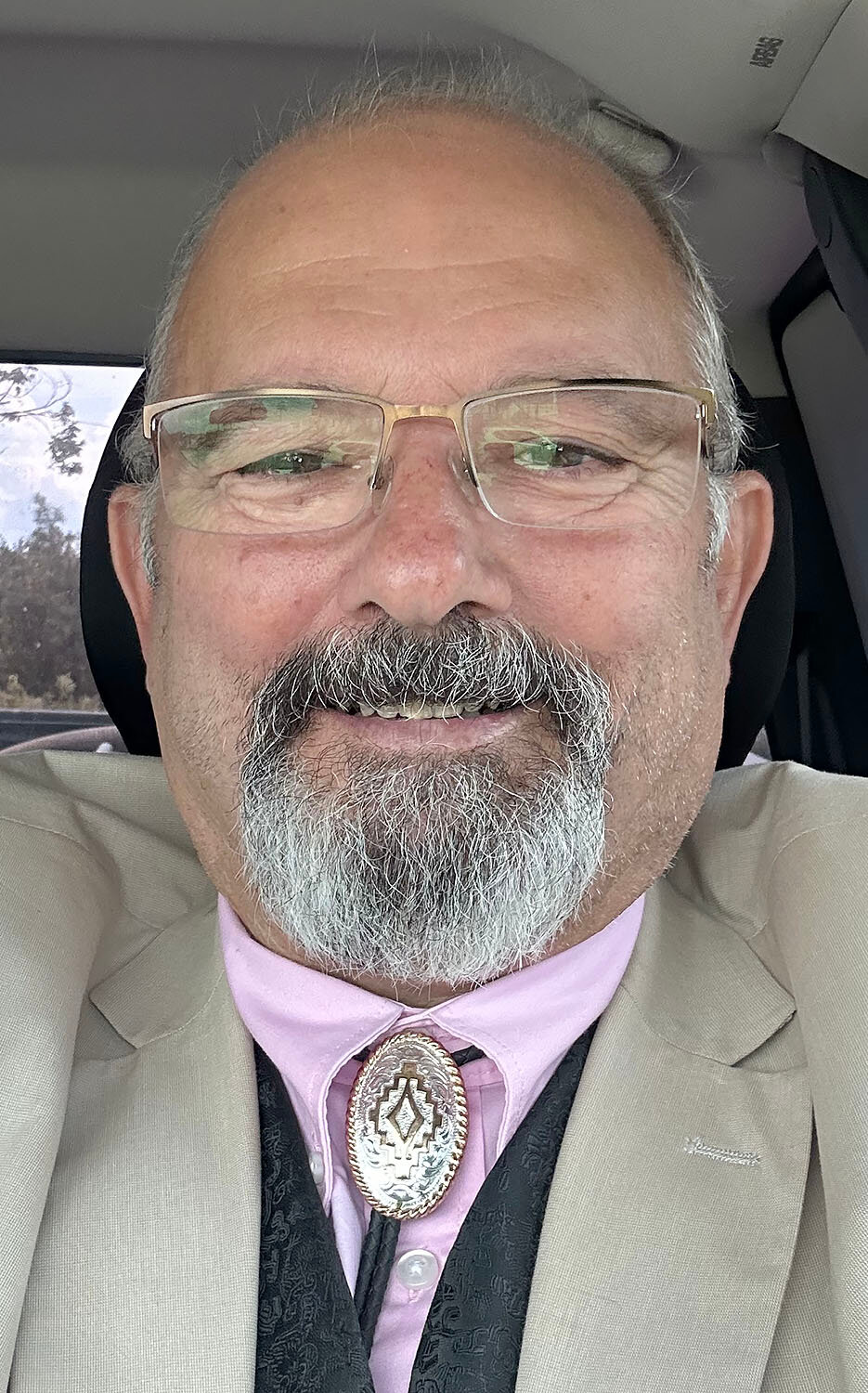
Lee Reaves Jr. is president of Clarendon County Historical Society.