
5 ways to avoid killing your plants this year
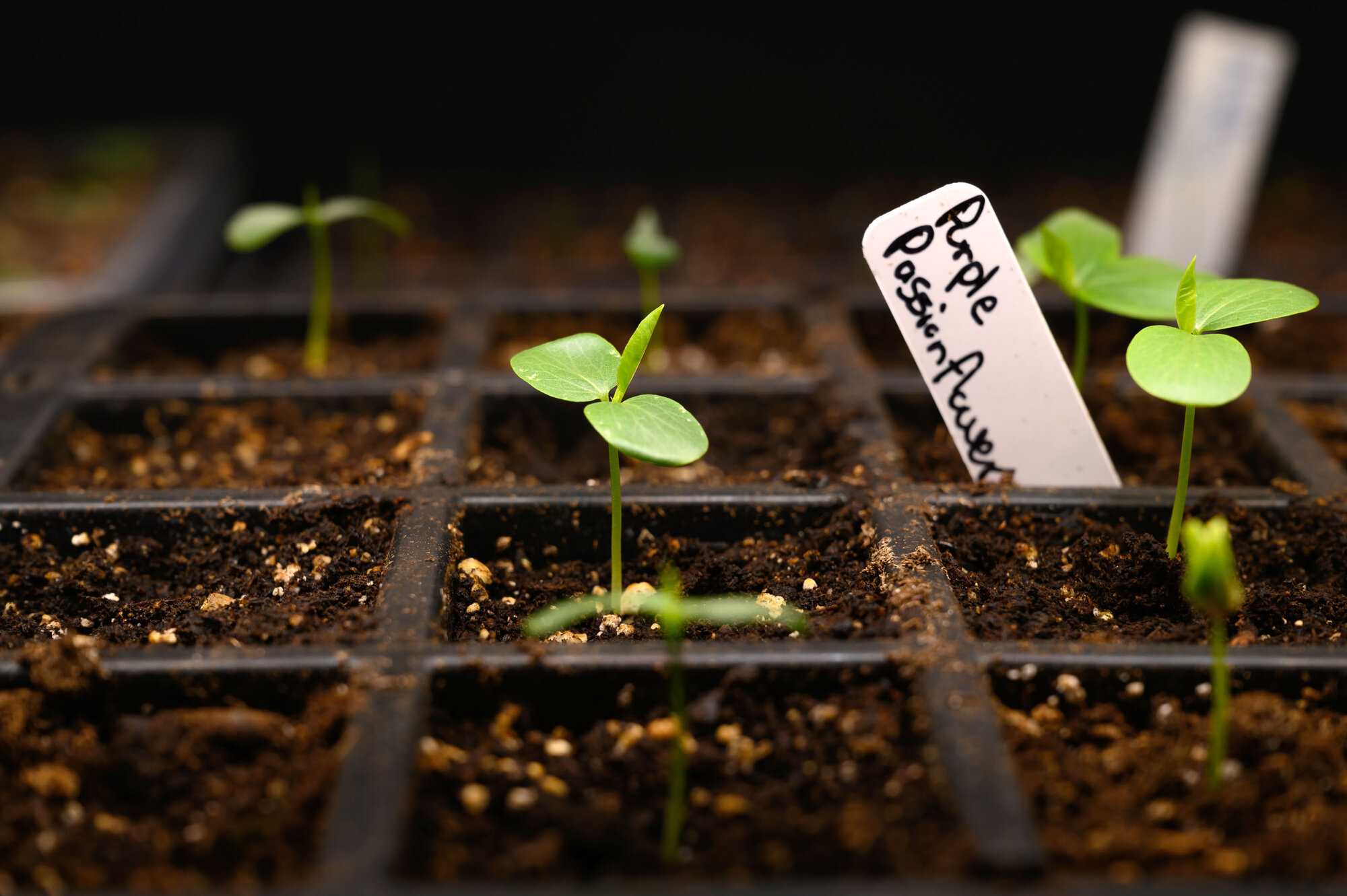
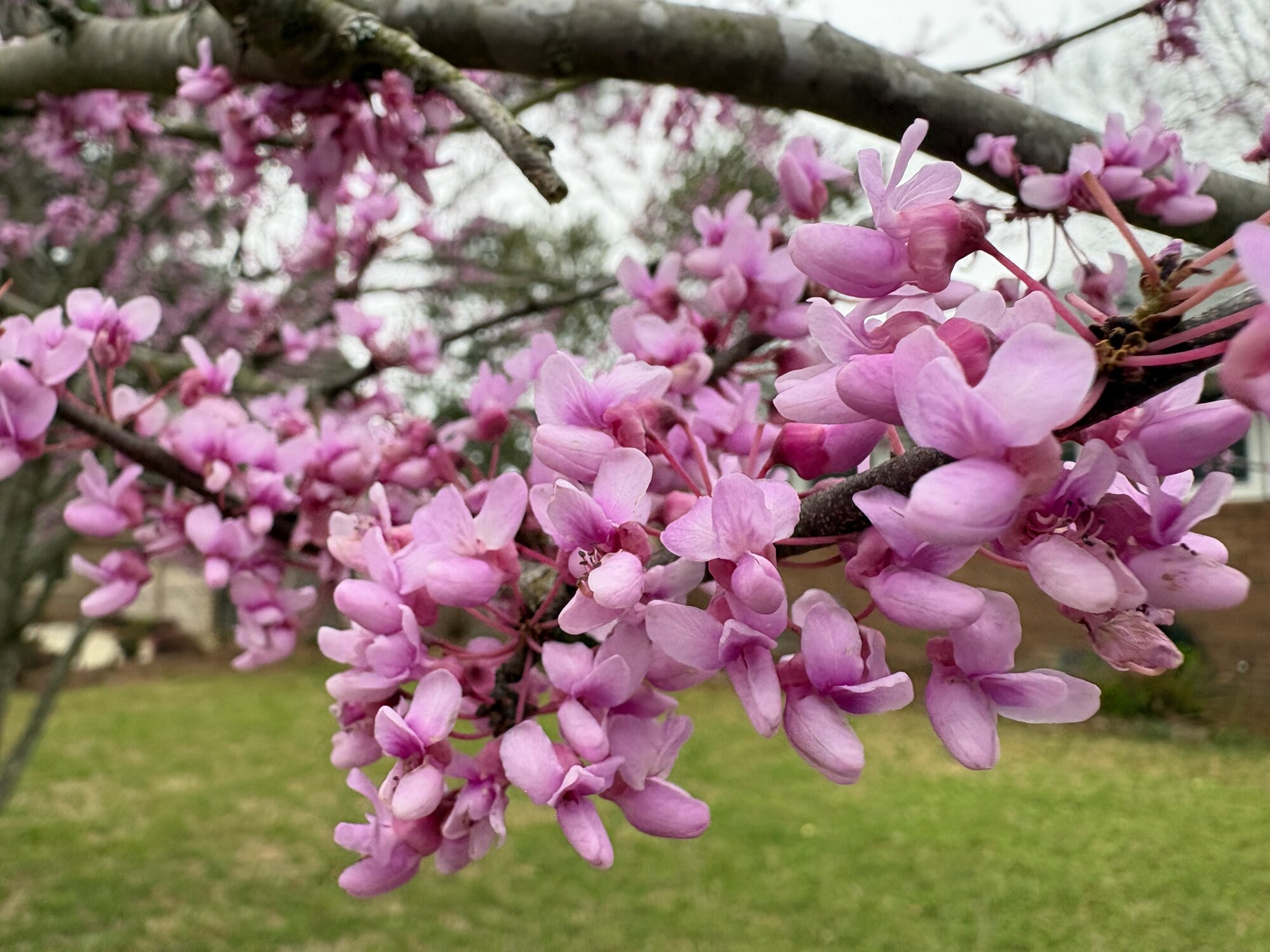
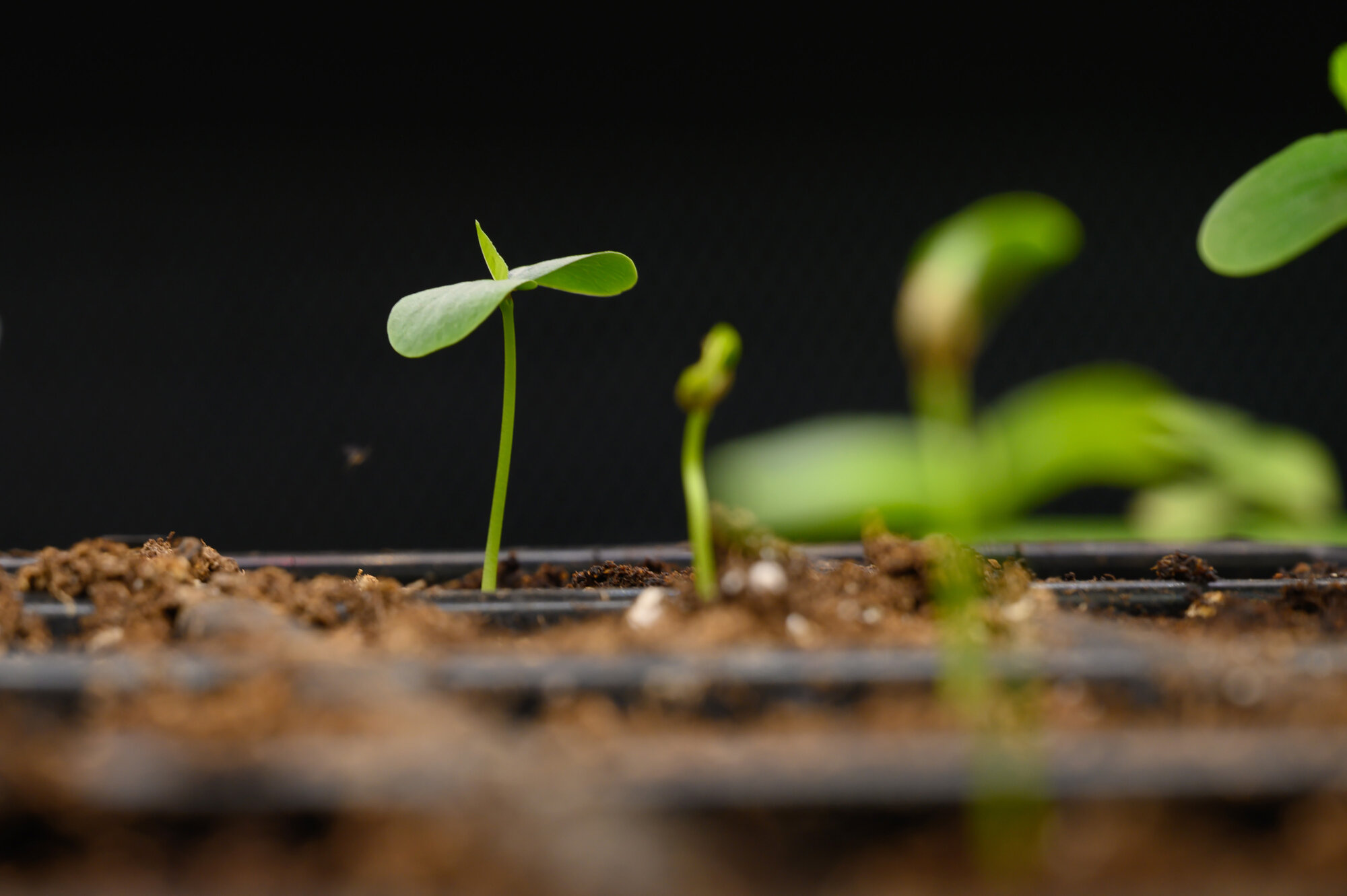
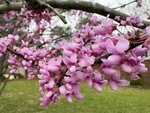
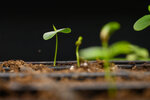
When we came up with the "Blooming Issue" theme for this edition of Impact, I was asked to write about simply how to keep plants alive. I'll admit I'm not the biggest green thumb, especially with houseplants, but I've learned a few things that work for me and my yard after several years of gardening that might be helpful for others trying to grow food, flowers or both.
So, how not to kill your plants this year? Here are a couple things I've learned from watching YouTube videos, reading other articles and listening to others who enjoy gardening in this area. I've also made plenty of mistakes, as we all do when starting a hobby, and been able to learn from those.
Know what to grow
Do your garden the favor first of choosing plants we know thrive here, in the hot, humid, long growing season we know we experience every year. Don't try to grow a willow in the desert, so to speak.
Your best bet is native plants - Clemson Extension has a list you can choose from at https://scnps.org/plants. Be careful even with this list, though - plants can still be invasive in some areas. Looking at you, spiderwort.
Just do your research before buying. But generally, lists such as this one will tell you what will do great here in our climate.
Be realistic
Don't try to bite off more than you're probably going to chew in the long run. It's easy to overcommit when you see all those beautiful seed catalogs starting in late winter with all the gorgeous flower photos.
I'm guilty of this in my own yard. I have so many spaces I've turned into small gardens over the years that I've got too much to mulch, weed and take care of. This year I'm already thinking of eliminating one of those mulched areas to just let the grass take over. The less area you have to water, maintain and in general look after, the higher the chances the plants you do have will make it through the season with the time and energy you have to give them.
Your circumstances might also change and mean you can't keep up with everything at some point (that's the point I'm at personally, unfortunately). Know your own limits, and don't take on too much.
Planting time
Wait until we no longer see any nights with frost so plants will be safe. Farmers Almanac says the average spring frost date for Sumter is March 31. For vegetables and flower seedlings, the best time of day to plant is in the late afternoon to early evening so the plant has a bit of time to adjust to its new "home" before the sun smacks it full force the next day. When you water it, be sure to only wet the soil around the plant rather than its leaves to keep disease from starting. Don't plant during the hottest part of the day, or the plant may wilt and die from shock.
Avoid disease and pests
Fungus thrives in this area. It just does. You can combat it with sprays, but it's time consuming and not ideal. Pests also thrive here. I'm dealing for the second year with crape myrtle bark scale because I planted my crape myrtle bushes too closely together a few years ago, and now I'm paying for it. Don't be me! Those tags that come with your new plants give good advice. Take the planting distance they give seriously, and I'd say give the plants even more space than tags suggest and keep the plants' final size in mind. Yes, you'll end up with fewer plants if you do. Those zucchini seedlings will look tiny in the beginning, but in a few weeks, just two plants could take up a sizeable portion of your veg garden by themselves. But you'll save yourself a headache and probably more money later, and those plants will look better because they're free of disease.
Research how to prune to reduce chance of disease, too. Generally, keep plants as open as possible by pruning away excess stems in the middle of the plant. Don't let stems cross and touch each other if possible. This will allow for more airflow, so plants can dry between waterings and our usual afternoon pop-up thunderstorms.
Know which plants might be pest magnets before you try them. Do some research on each plant you're thinking of growing. I grew giant sunflowers one year that were beautiful but also brought all the stink bugs to the yard, and then of course they made their merry way to my tomatoes nearby. Squash vine borers are also my nemesis, attacking my zucchini plants every year and killing them in a day. At this point, I've kind of made my peace with them and just expect to have to replant what perishes.
Know when and how to water
Speaking of disease, watering times are important. Water on leaves and pools of water around roots can be a menace to plants and quickly kill them through fungus and rot. Don't water at night because fungus will grow as the water sits on the leaves. Water early in the morning, when there is less chance it will evaporate quickly and the rising sun will eventually dry off the leaves.
If you can, water around the base of the plant only, instead of using a hose or sprinkler that waters from above. Also make sure there aren't wells in your mulch that can collect water around roots and make drainage difficult. Good watering habits along with spacing plants far enough apart will go a long way in keeping disease off your property. And don't forget to give your plants fertilizer every couple weeks, especially vegetable plants that you want to keep getting produce from and flowers that are reblooming. They need energy to keep up with that demand, so buy a good all-purpose fertilizer and follow the directions. I tend to use fish fertilizer because it's an organic option that goes far, and plants seem to love it.
Hopefully these tips will make your gardening a little easier and give you a place to start if you're just getting into growing things. Getting out in the yard is great for exercise, mental health and sharing veggies and flowers with family, friends and neighbors. And don't forget to take time to just enjoy how everything looks. I struggle with this. If I sit in the backyard, it's easy to see jobs that need doing instead of what's there, and that takes focus away from how far I've come. So, enjoy the process but also the results!