
When to expect fall colors in Southeast
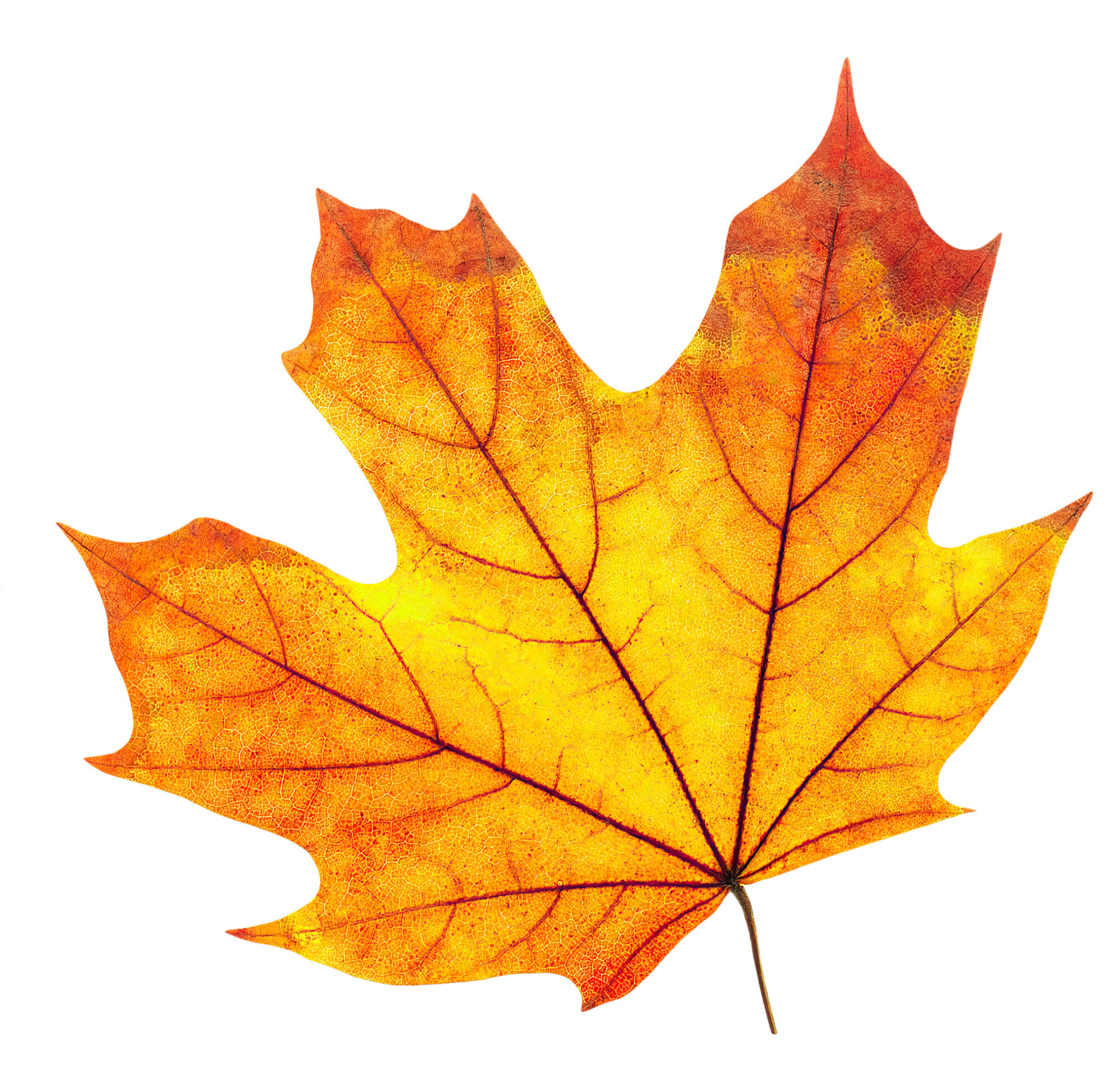
From the Blue Ridge Mountains to South Carolina's Upstate, this year's fall colors are determined to unfold at different times due to the complex mix of weather across the Southeast this year. Clemson University forest ecologist Don Hagan says that this year's summer heat, dry spells and the developing El Niño may affect this year's foliage.
Despite these conditions, Hagan remains optimistic about the 2026 season, citing three favorable signs: most trees held onto their leaves through the summer, the Atlantic hurricane season has been unusually quiet and humid conditions could bring peak color in different tree species closer together.
These conditions could shape when communities across the Southeast see their strongest displays of fall foliage. Higher elevations typically turn first, while colors develop later at lower elevations. This gradual shift gives communities the opportunity to follow the changing colors across the region over several weeks.
How this year's weather conditions shape fall color
The first encouraging sign is that summer did not bring prolonged, extreme drought. Drought-sensitive trees, including yellow poplars and birches, can drop their leaves early in very dry conditions.
"We made it into the fall with most of the trees having a full set of leaves," Hagan says. "And that's prerequisite number one for a good fall color season."
The quiet Atlantic hurricane season is another positive sign for the region's forests, as a September or October hurricane can strip trees of their leaves just as they begin to turn.
"Nothing derails a fall color season faster than a September or October hurricane that blows off all the leaves right as they start to turn color," Hagan says. "And we've made it this far without a hurricane."
Finally, warmer and wetter conditions may keep trees' leaves on a little longer before color change begins. That could compress the fall color season and increase the chance that many species reach peak color around the same time. "If it starts a little bit later, it compresses that season," Hagan says.
"And what that does is increase the probability that you've got a whole bunch of trees, a whole bunch of different species firing off with their best fall color all at the same time."
Why the weather over the next few weeks matters
While the overall outlook is encouraging, the weather over the next few weeks will help determine how vivid and widespread the colors actually become. Hagan says a succession of mild cold fronts, followed by sunny days and cool nights, could speed up color development.
"What we would really like to see is this progression of mild cold fronts," Hagan says. "That combination of weather characteristics right there, particularly if you have a couple of cold fronts back-to-back, that's going to expedite that fall color development over these next couple of weeks."
These weather patterns can create varying conditions across the Southeast, so the timing and intensity of color may vary from place to place. Hagan says elevation is a useful guide for following the progression, but local weather will also influence what people see.
When and where to see peak color
When it comes to where to view the best fall foliage, fall colors usually peak first at higher elevations. Hagan expects the highest elevations, including areas along the Blue Ridge Parkway at 5,000 feet and above, to see peak color in early to mid-October. From there, the color moves downhill by about 1,000 feet per week, bringing peak foliage to South Carolina's Upstate around the first or second week of November.
"If you time it just right, pay attention to the weather, pay attention to the elevation, get out there and explore a little bit, you might find some really fantastic fall color in 2026," Hagan says.
About Don Hagan
Donald Hagan, Ph.D., is an associate professor of forest ecology in Clemson University's Department of Forestry and Environmental Conservation. He studies how fire and plant invasions affect forest populations, communities and ecosystems, with research based in the southern Appalachians, the Piedmont and the Southeast Coastal Plain. His research interests include forest, invasion and fire ecology, as well as forest soils.