
The nervous system: Your body's extraordinary communication network
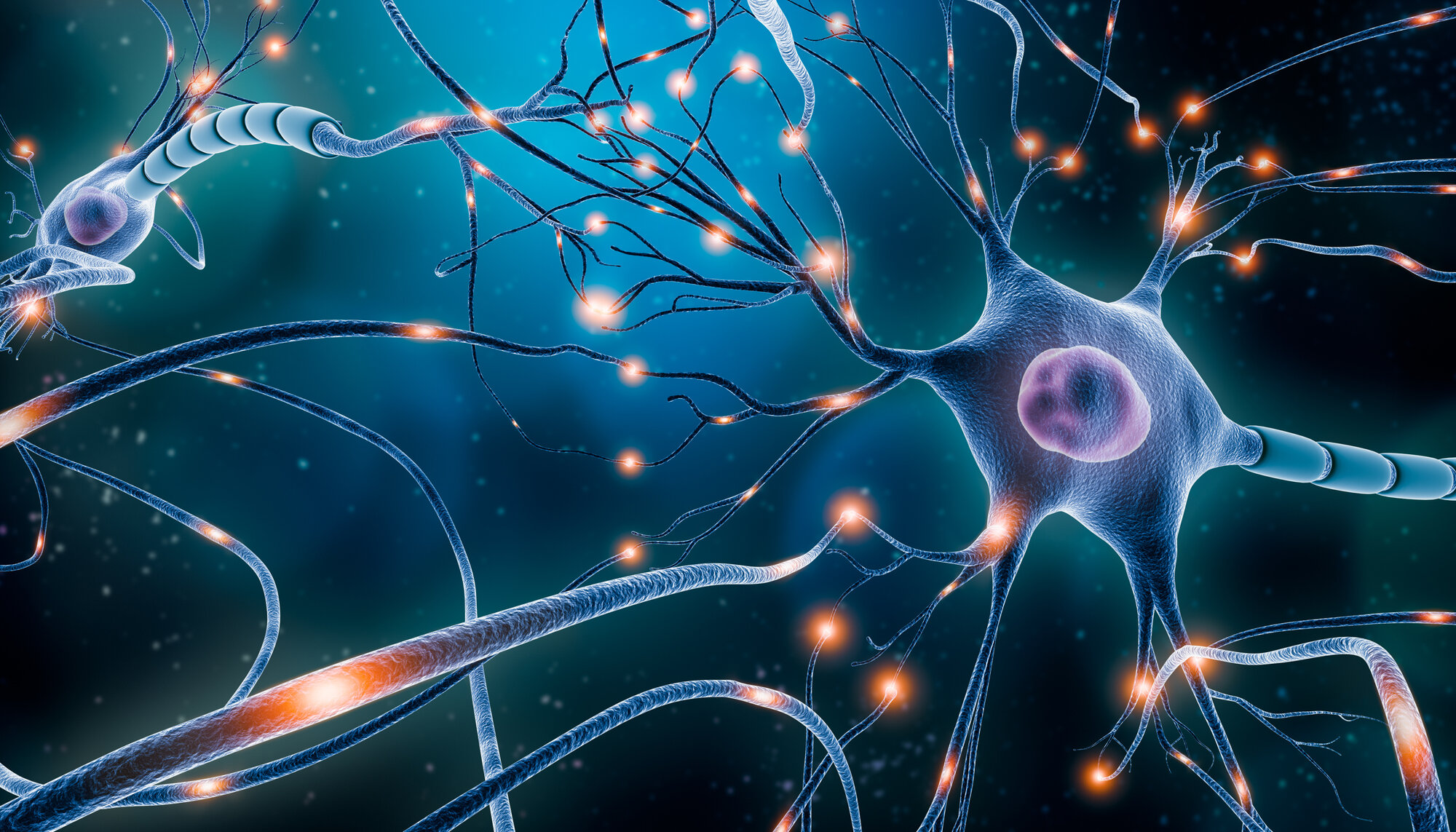



Every movement, thought, sensation and heartbeat depends on an extraordinary communication network working around the clock: your nervous system. It allows you to experience the world, respond to challenges and coordinate nearly every function necessary for life. While we often associate the nervous system with the brain, its influence extends throughout the entire body.
The nervous system has two major divisions. The central nervous system includes the brain and spinal cord, which process information and coordinate responses. The peripheral nervous system consists of nerves that connect the brain and spinal cord to the rest of the body. Think of it as your body's electrical communication network. Specialized cells called neurons transmit electrical and chemical signals, allowing different body systems to communicate.
Some activities are voluntary, such as walking, speaking or lifting your arm. Others happen automatically, including breathing regulation, digestion and heart rate adjustments. The autonomic nervous system helps manage these involuntary functions. Its sympathetic division prepares the body for action during stressful situations, while its parasympathetic division supports rest, digestion and recovery. Both are necessary, but problems can arise when chronic stress repeatedly activates the body's stress response without adequate recovery.
Your nervous system influences memory, coordination, mood, sleep, digestion and movement. It also communicates continuously with the cardiovascular, muscular, endocrine and immune systems. According to the National Institutes of Health, regular physical activity supports brain health and cognitive function. Research also connects adequate sleep with learning, memory and healthy neurological functioning. Nutrition matters, too. Healthy fats, including omega-3 fatty acids, contribute to the structure of nerve cell membranes.
Your nervous system is constantly adapting to your experiences, environment and daily habits.
Taking care of your nervous system means caring for your entire body, because every system depends on communication, coordination and balance.
Supporting the nervous system isn't about eliminating stress or purchasing expensive supplements. It involves creating daily conditions that help the brain, spinal cord and nerves function effectively. Apply some of these tips to support your nervous system:
- Move regularly. Walking, swimming, cycling and strength training support circulation and brain health.
- Prioritize sleep. Most adults need seven to nine hours nightly for restoration and cognitive functioning.
- Nourish your nerves. Eat varied foods containing B vitamins, healthy fats, protein and essential minerals.
- Manage chronic stress. Practice deep breathing, mindfulness, prayer or other calming activities.
- Challenge your brain. Read, learn new skills, solve problems and maintain social connections.
- Protect your body. Wear helmets when appropriate, prevent falls, and manage blood pressure and blood sugar.
- Limit harmful substances. Avoid tobacco and excessive alcohol consumption, which can damage nerves.
Missy Corrigan is the chief executive officer of the YMCA of Sumter. You can email her at mcorrigan@ymcasumter.org.