
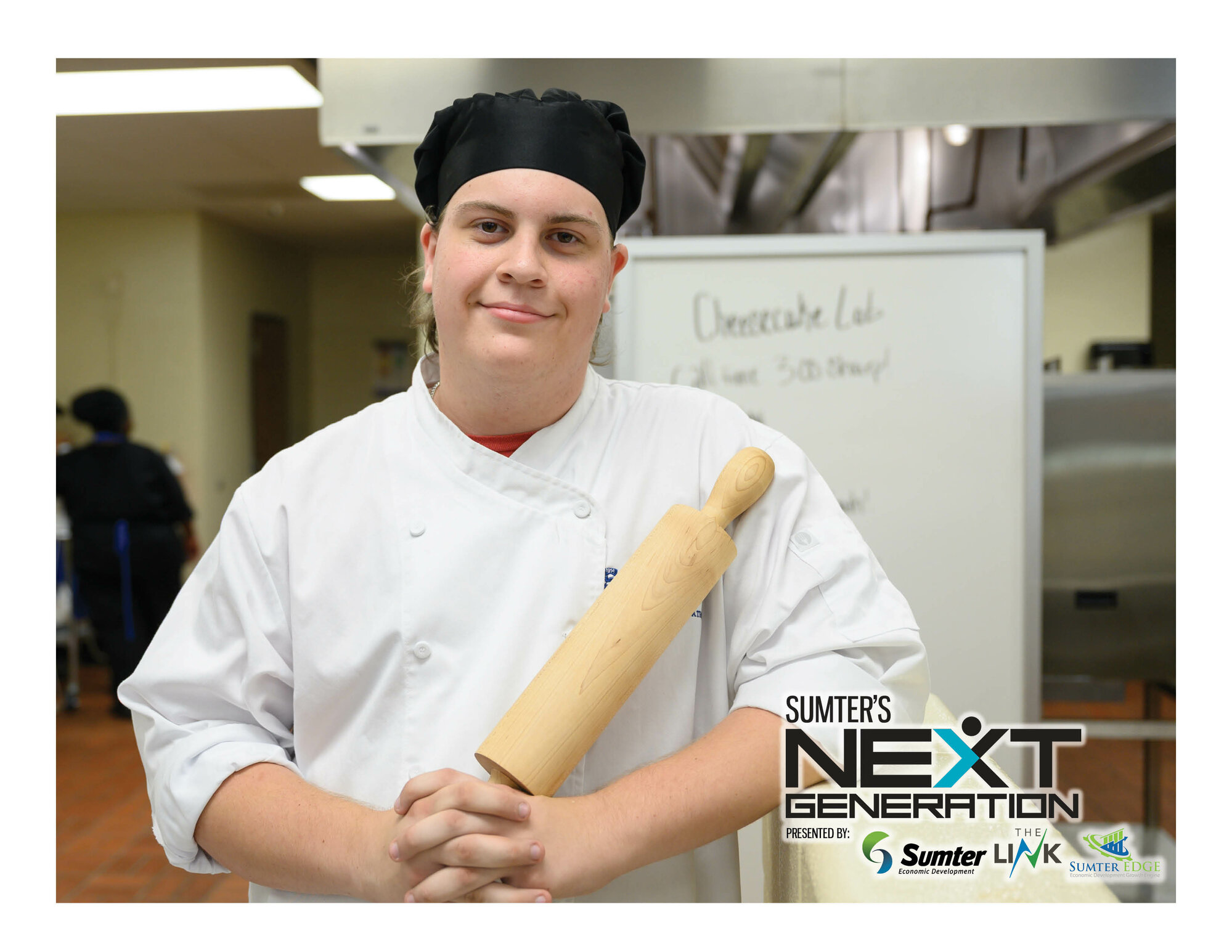
Sumter's Next Generation, presented by SumterEDGE: Cooking up a future in culinary arts with Sumter High's Matthew Steeb
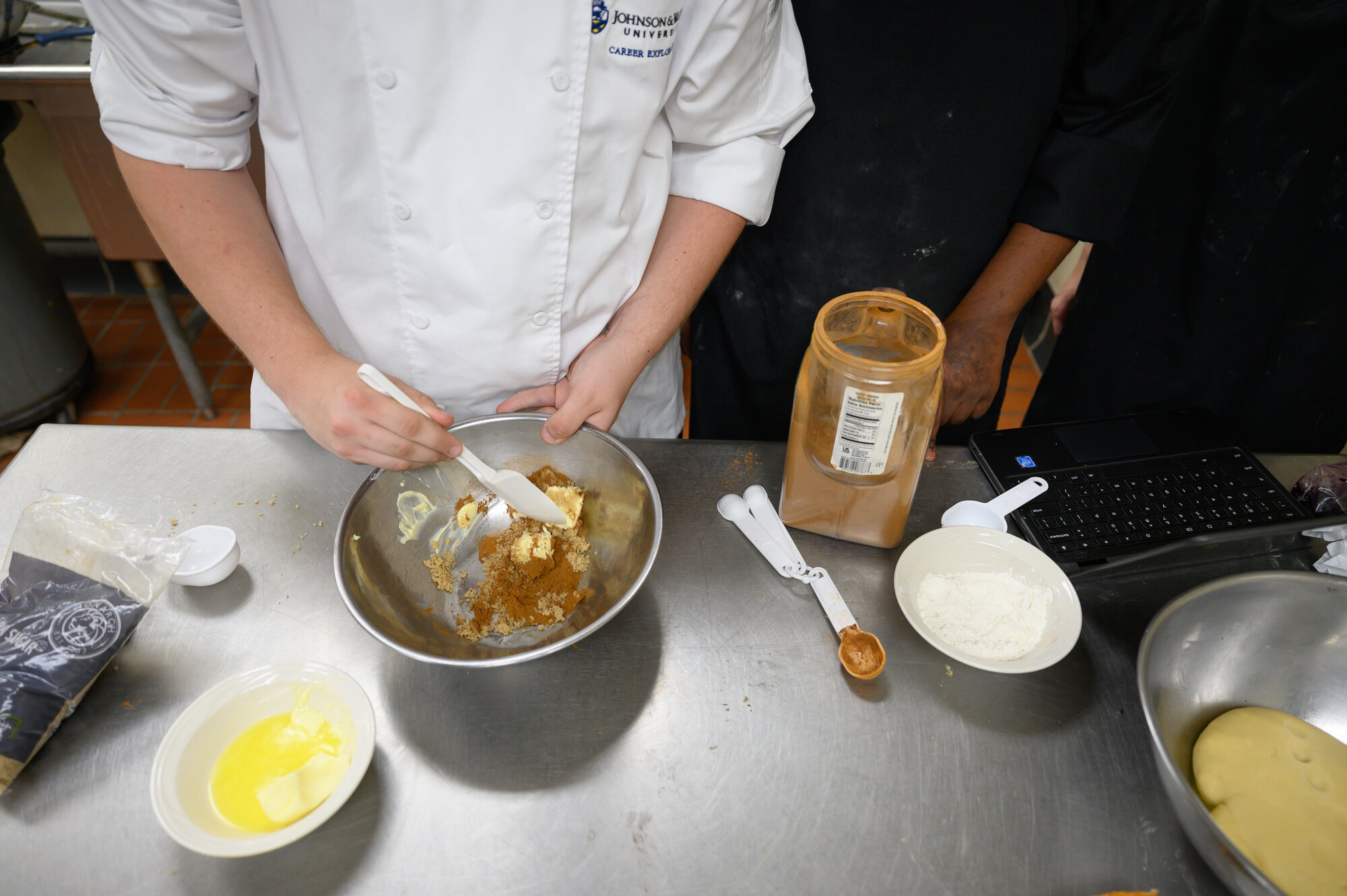
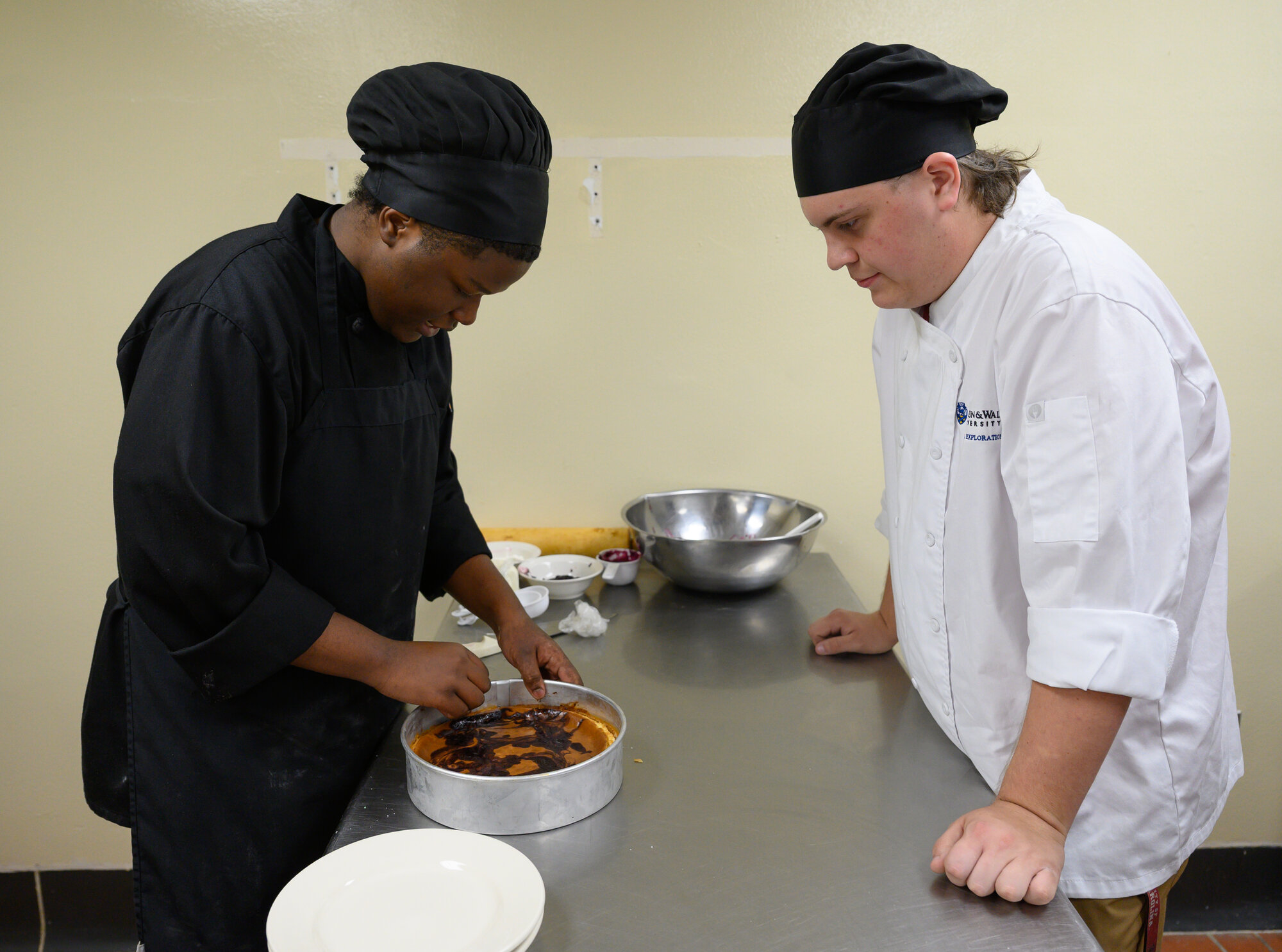
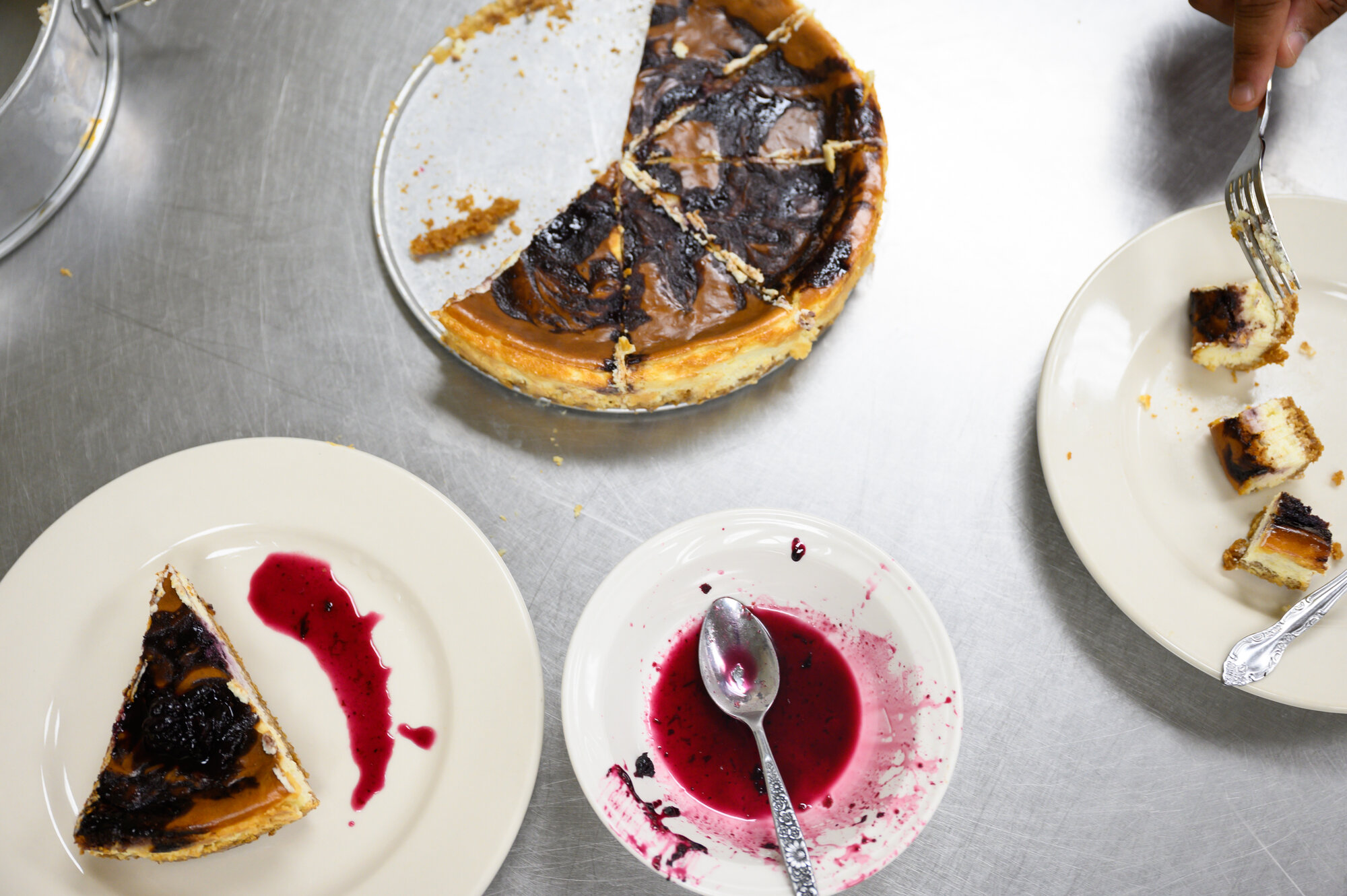
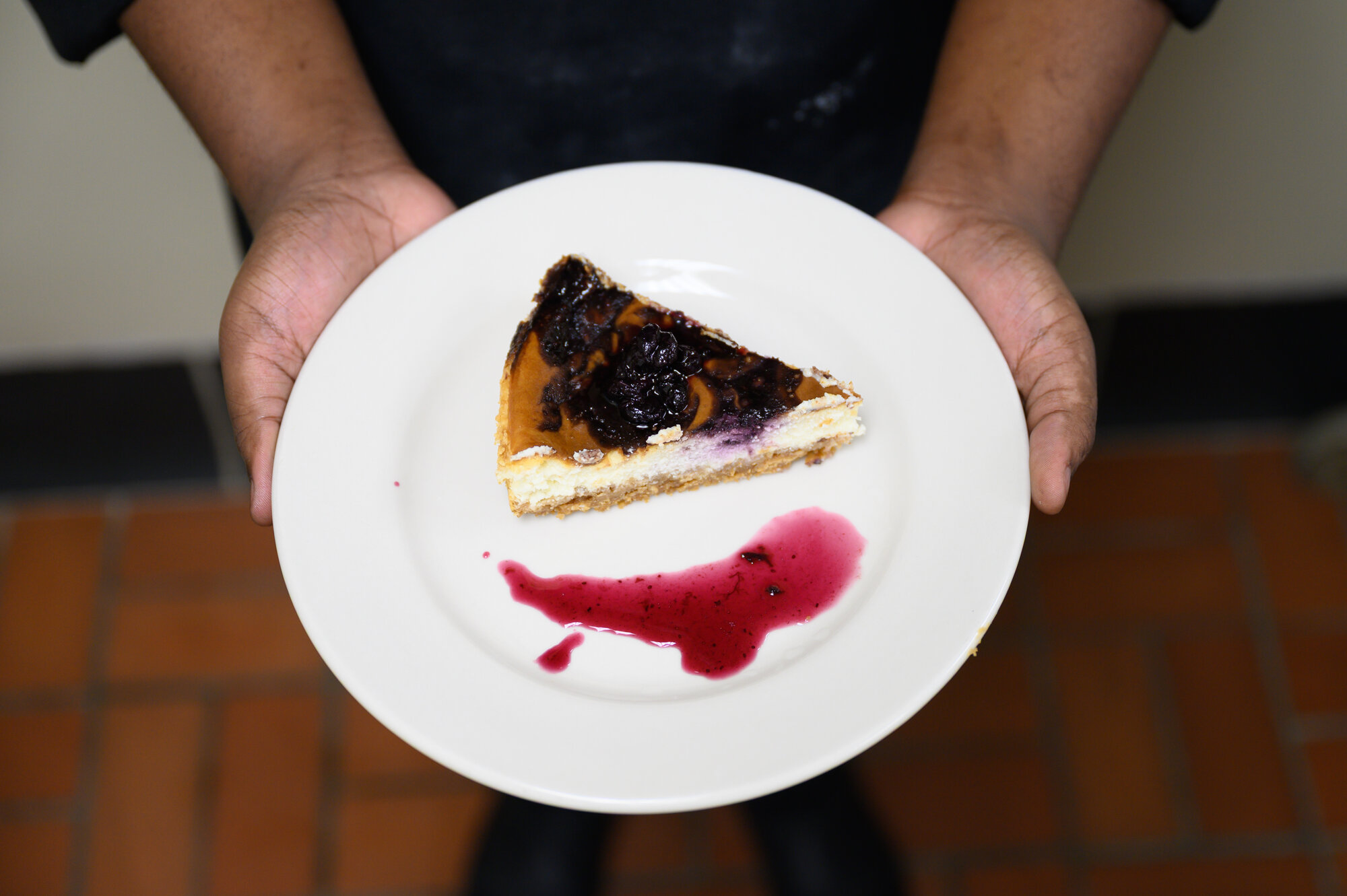
While culinary arts dates back to the caveman instinct to roast meat over a roaring fire, its modern identity is bookmarked around 1945 when World War II ended and many families wanted to dine out instead of resorting to the dinner dishes made in their household kitchens.
In 1946, the shift from ordinary cooking schools of the 1800s to professional culinary school took place. Fast forward nearly 80 years, and a high school culinary student has his sights set on a white double-breasted coat and chef's hat of his own.
When Sumter High School's Matthew Steeb first toured Sumter Career and Technology Center as a sophomore, he was certain he'd spend the next two years in its automotive technician program, learning to diagnose, maintain and repair vehicles. That is, until his family told him otherwise.
"'That's not you,'" he recalled their words. They didn't see their Matthew covered in motor oil and changing out rusty parts. Rather, he was to be grilling up subprimal cuts and sprinkling sprigs of fresh parsley across carefully plated dishes because that's where he was most himself.
His favorite pastime as a child was spent alongside his family in the kitchen, whipping up holiday meals with his mom, aunt and - his biggest inspiration - his grandmother. He learned to transform a counter full of ingredients, spices and herbs into a meal that was divine, delicious and deeply personal. Not only because of how it tasted, but also because of the time and effort that went into making it.
That's why when he suggested joining the career center's culinary arts program, helmed by 2025 Sumter School District Teacher of the Year Kia Smith, he was met with head nods of approval and anticipation on where this journey would take him.
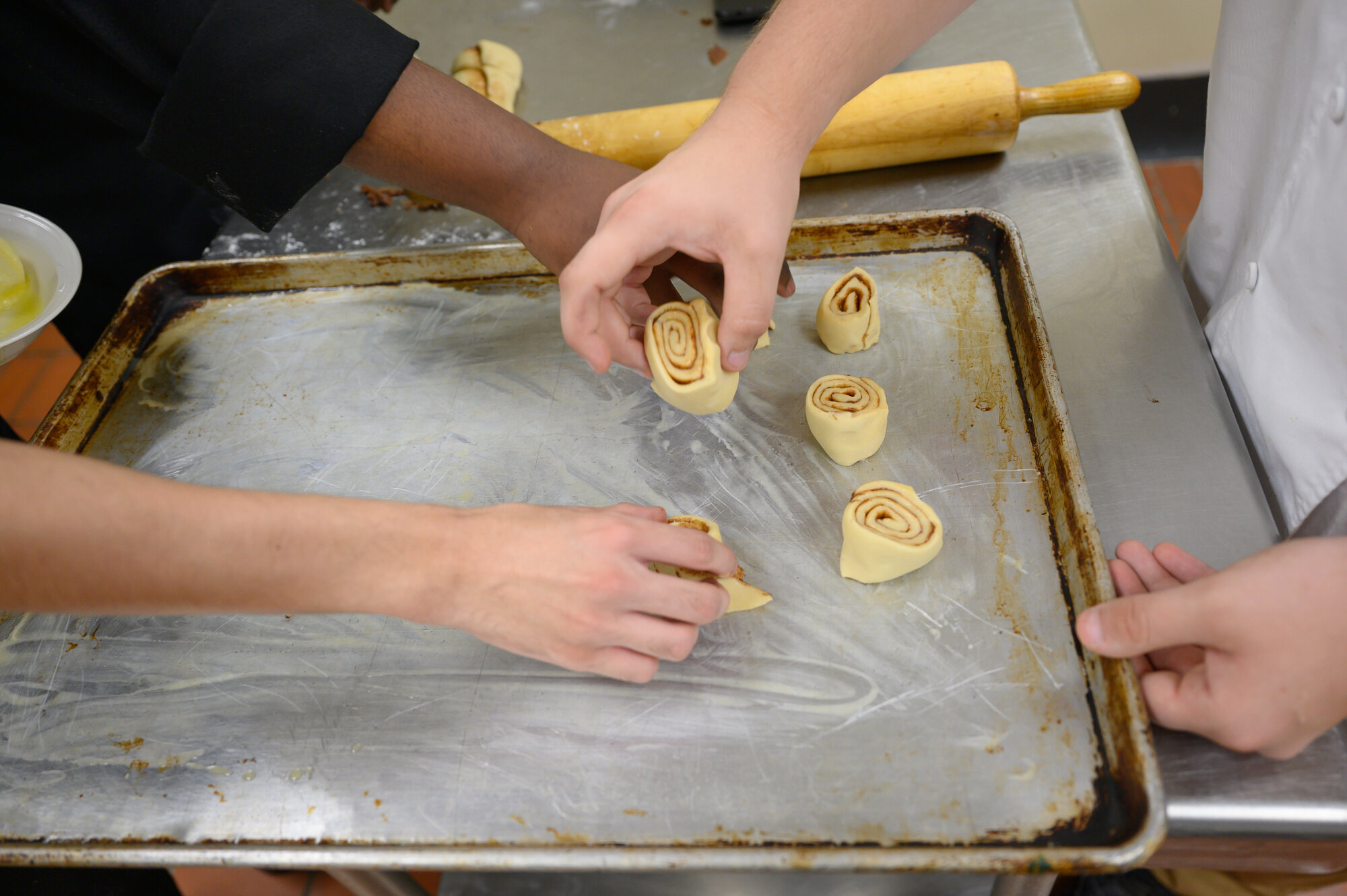
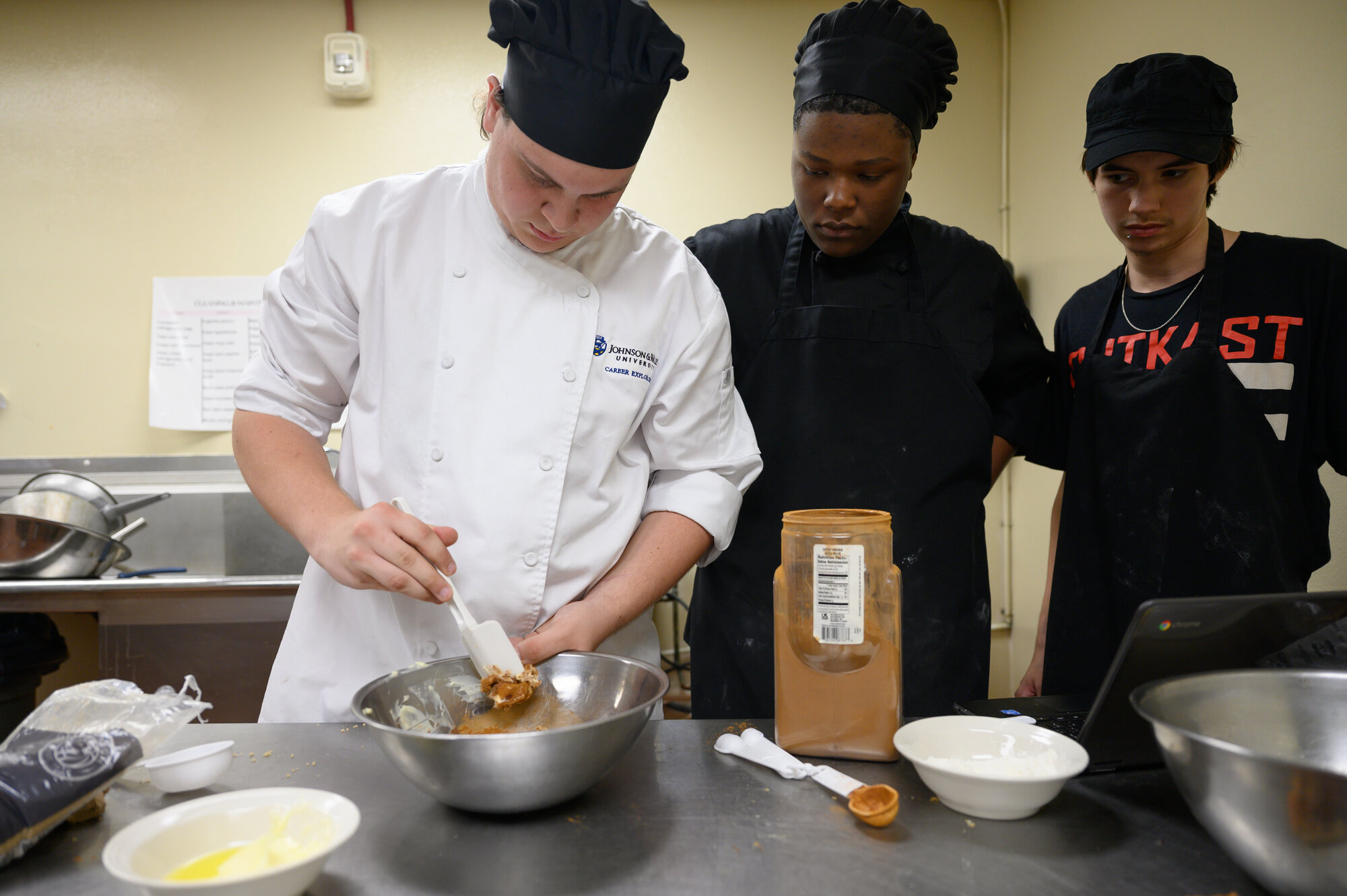
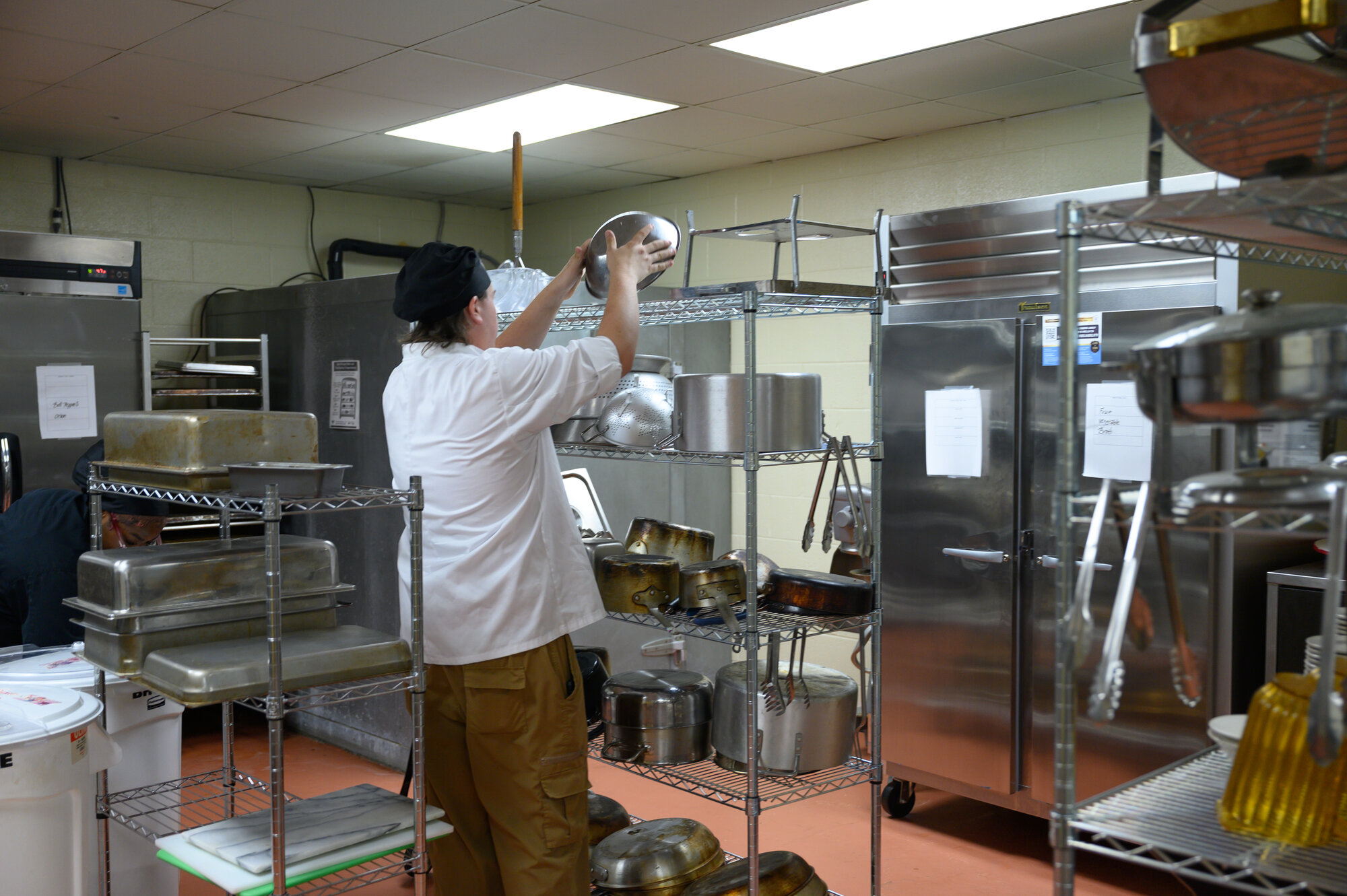
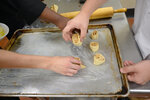
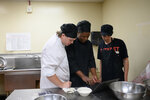
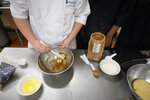
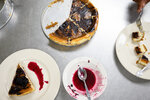
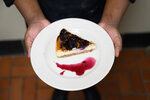
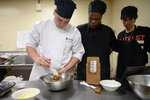
The two-year program spans a student's junior and senior year. Year 1 is all about the basics: how to properly cook vegetables, cutting and cooking different parts of chicken, learning internal temperatures of different meats and navigating around a stove and its many dials. Year 2 is when self-exploration comes in, as semester one will test pastry skills before diving into a second semester of work-based learning. Here, students get into the real world to transform their education into experience.
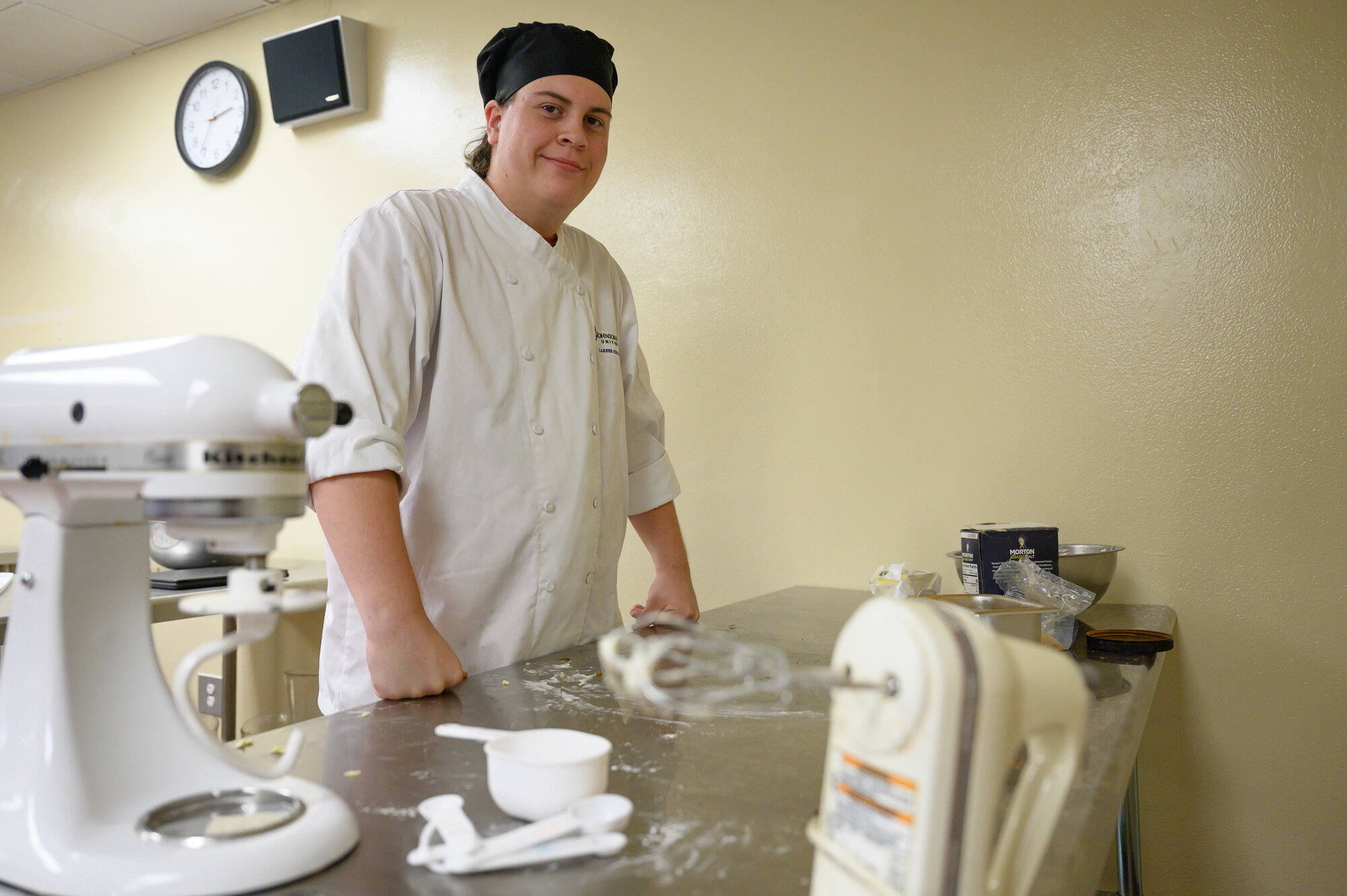
Now a senior in high school and on the cusp of heading to college as he patiently awaits an acceptance from Johnson & Wales University in Charlotte, North Carolina, Matthew has learned quite a lot about his cooking style. The first is he's a man of many cooking talents - just not baking.
"I'm not a good baker," he said through a smile. "But I'm really good with fried foods and working with deep fryers."
This knack for frying allowed him to develop his cooking style that goes off feeling rather than a recipe. He'll venture into the kitchen, be it his cozy kitchen at home, the culinary sanctuary at school or at his duty station in The Restaurant at Second Mill's kitchen, and feel his way through to a savory dish. Marrying familiar spices and his curious cravings to create something he didn't know he could make, let alone love.
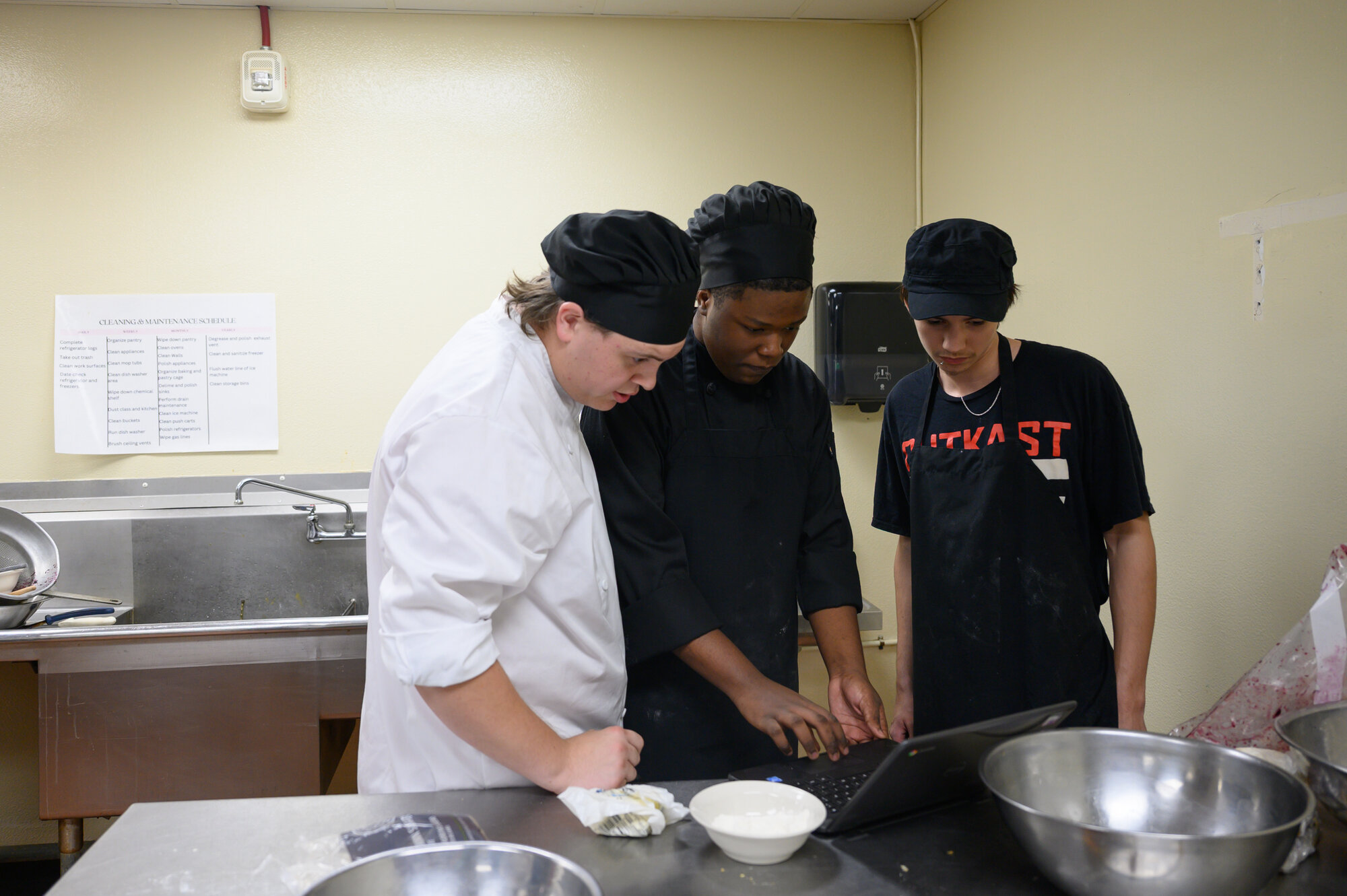
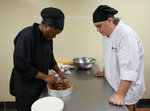
But another skill that culinary has taught him is communication. Working alongside students of different experience levels, it is vital to be able to communicate strong suits and weak points in both the dish and the dynamic of the class. While he's not keen on making pastries, he's aware of the students who are and serves as a prompt sous chef when needed; vice versa when it comes to frying up a chicken dish or searing a prime steak.
"It's not just what you personally know, it's what the people around you know that can help you excel," he explained. "I found that's helped me out, not just in cooking but in other classes as well."
That level of understanding is something Matthew hopes future culinary students will find useful alongside how to properly cook chicken. Culinary arts "takes more than what you realize," he said, and not because it requires great skill. It takes time to prep ingredients, keep a clean workstation, grow through the awkwardness of handling a knife - even outside the classroom, he can hear Smith's lesson to fold his fingers when chopping before he loses one. Be it in the class or in life, it takes time to find your footing, and you've got to be willing to practice, fail and try again until you get it right.
Whether culinary is a passion of his peers or not, Matthew thinks the program still has value that stretches far beyond the kitchen.
"If you come into the program, just needing something and trying to get hands-on, and let's say you do this class and choose not to go into culinary arts or food service, the same idea of cleaning up after yourself and learning how to make certain things - you'll keep those skills," he said. "The skills that you'll learn in this class, you'll carry them with you through everything that you do."