
'She would be proud': Sumter man’s mission to turn U.S. Army into largest source of bone marrow donors starts with mom’s journey

Christian Sutton wouldn't find out it was the hospital where his mother died until he was seconds from boarding the plane.
Headed from Fort Bliss in El Paso, Texas, to Medical University of South Carolina in Charleston to donate bone marrow to a stranger, the Sumter native and U.S. Army specialist sat with his thoughts and the quiet lull of carryon baggage rolling across the polished flooring when the message came through from his grandmother.
"That's actually the hospital where your mom was getting treated and where she died," he recalled her words.
Nearly two decades after his mom, Melissa, passed away on May 5, 2004, from Hodgkin lymphoma at age 25, Sutton became the very thing she needed: a match.
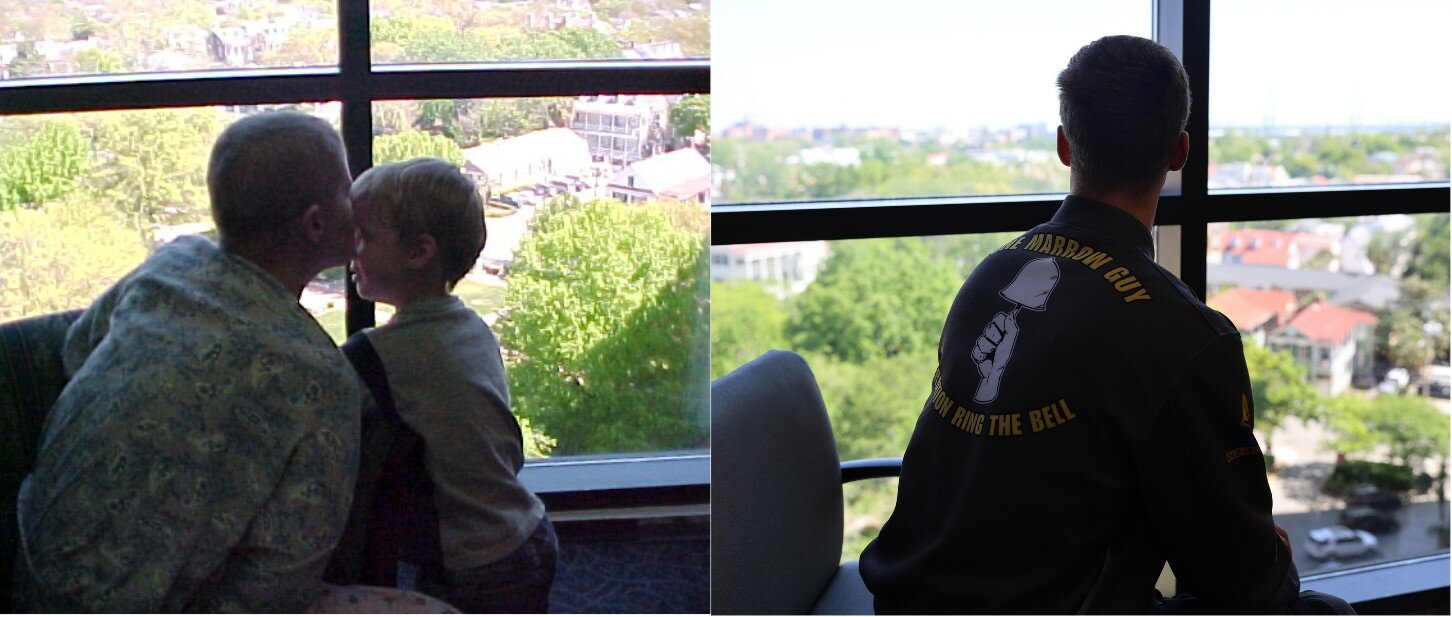
He walked into the same building she entered. Rode the same elevators. Sat at the same window. He was only 4 years old when his mother passed, too young to understand what he'd lost. Her death became more of a fact than a feeling. But sitting on that plane, reading through the digital journal that detailed her cancer battle down to the day, it all hit him at once - the emotions and the realization: He was older than she ever got to be.
Raised in Sumter, Sutton surrounded himself with what felt safe and familiar. His friends at Sumter High School, his classes at Central Carolina Technical College, jiu-jitsu practices at Keishidojo Martial Arts Unleashed. But joining the Army at 20 opened up a world of opportunities that would take him beyond the county lines in search of his purpose and, in some ways, himself.
He just never thought he'd find it lingering along the edge of a mosh pit at a punk rock concert.
"A friend invited me, and I was like, why not? I didn't care about the music at all, I didn't care about the mosh pit. But I noticed a table in the back corner right by the front door, registering people as bone marrow donors," Sutton recalled. "For some reason, that image stuck out to me - talk about all this chaos, and then it's this genuine humanitarian effort right there."
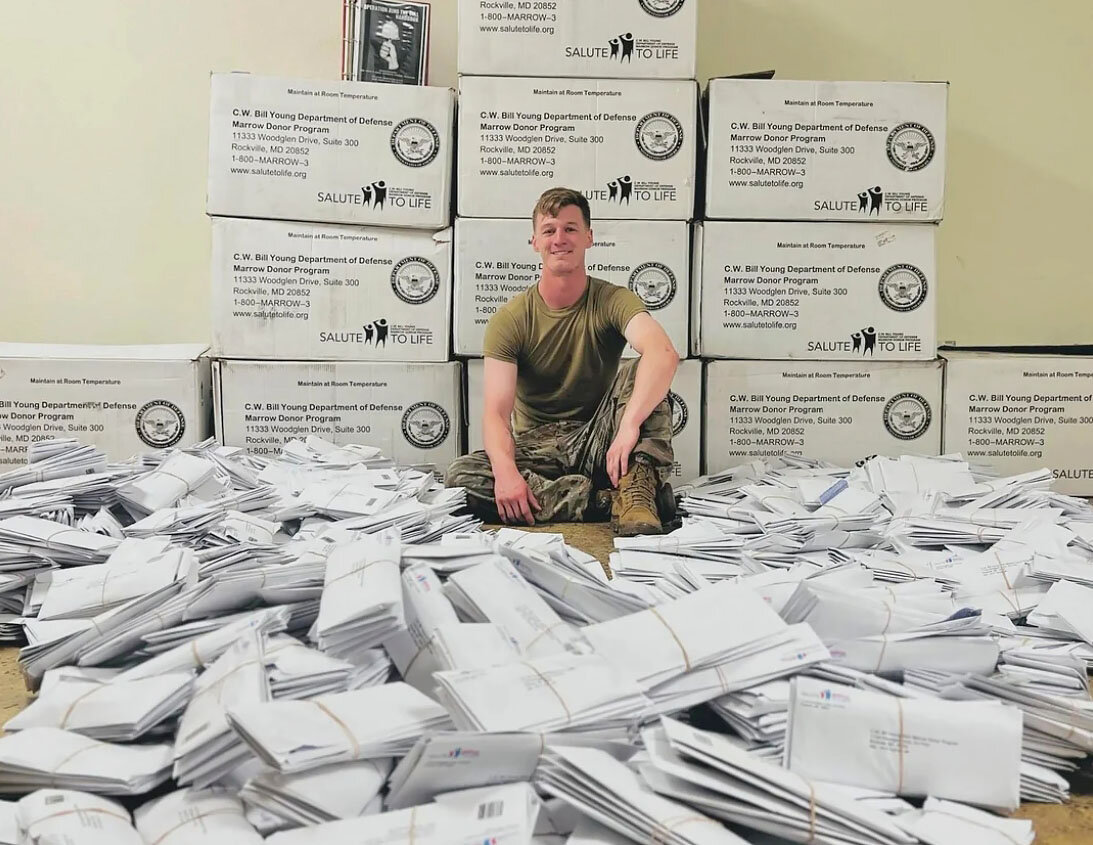
He tucked the image away for safekeeping, not knowing that the months spent stewing on the idea to revive a stagnant effort would grow into a grassroots overhaul of the military's approach to bone marrow donation. He reached out months later and got connected with Salute to Life, a program created to help United States Department of Defense members and their dependents become volunteer bone marrow donors. It had existed for years with little momentum and volunteers. The DOD's section of BeTheMatch in the National Marrow Donor Program registers about 14,000 people a year from the military, with each branch contributing varying numbers. The Army registered about 1,000 people a year, according to Sutton. The drives only happened when someone volunteered to host one. If no one raised their hand, nothing moved.
Bone marrow, the spongy tissue inside of bones, is responsible for producing blood cells. Patients with a variety of blood cancers, like leukemia and lymphoma, as well as other conditions, including severe aplastic anemia and immune deficiency, rely on bone marrow donations, also known as stem cell transplants, to replace cancerous blood-forming cells with healthy ones or restore immune function.
NMDP estimates someone is diagnosed with a blood cancer every three to four minutes in the U.S. That total can reach approximately 18,000 people annually, according to Health Resources and Services Administration.
Because tissue type is inherited, a family member would be the best match. However, only 30% of patients will have a relative who matches and is able to donate. The other 70%, or approximately 12,000 people, lie in wait for a non-biological donor.
That wait could be fatal.
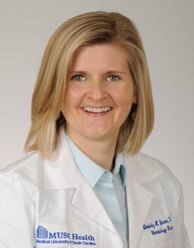
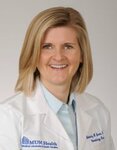
Dr. Kimberly Green, assistant professor of hematology and oncology and bone marrow transplant at Medical University of South Carolina in Charleston, explained the search for matches focuses on race and ethnicity. A white patient has a 70-80% chance of finding a match. A patient who is African American has a 29% chance. Other patients of color have less than that.
"A situation can be life or death if they can't find somebody who's a match," Green explained.
Sutton began to wonder what it would take to change that, at least for Fort Bliss. To give patients, like his mom, a better chance at a match and a healthy life. He figured there was only one way to find out.
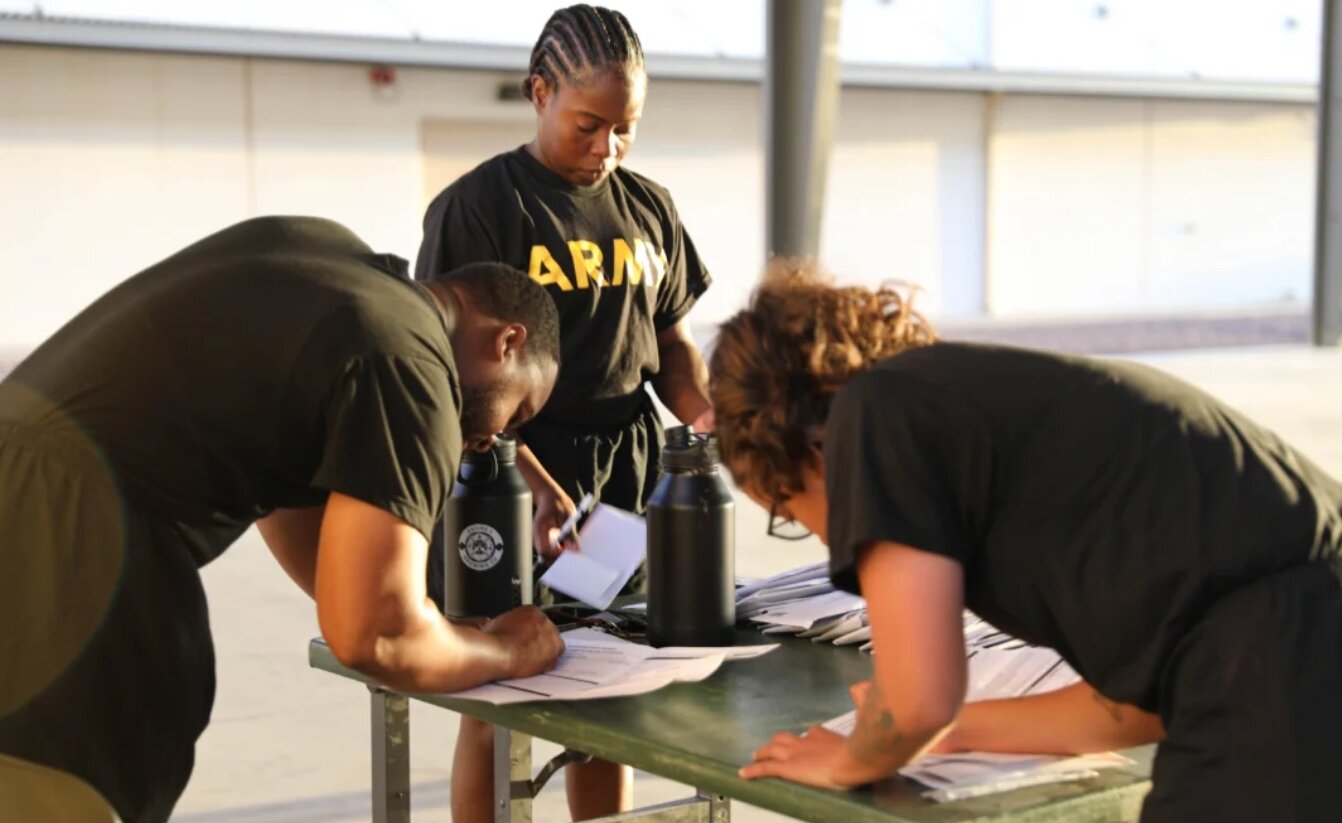
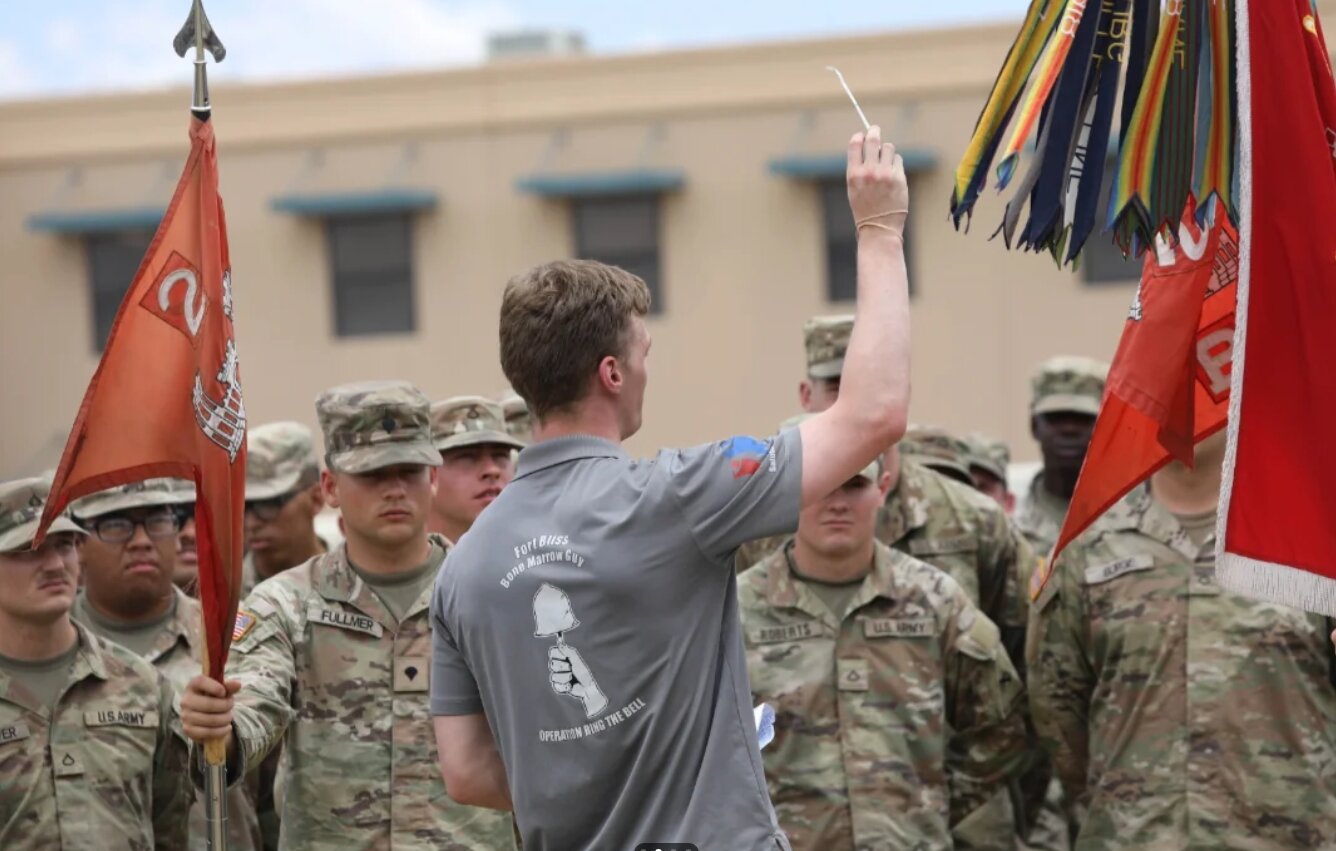
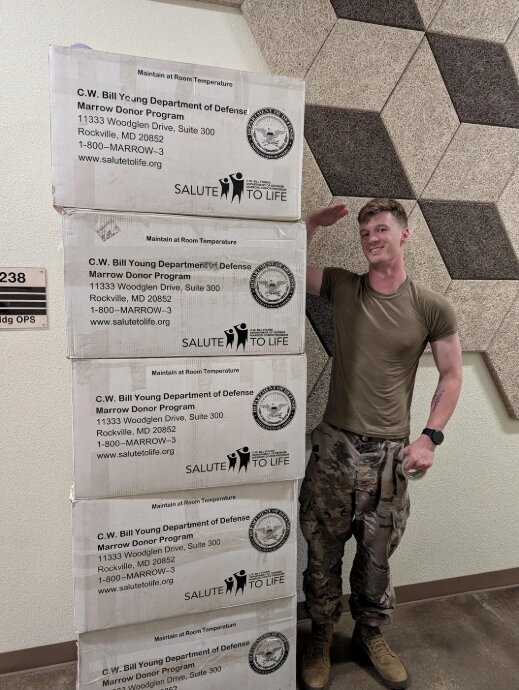
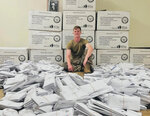
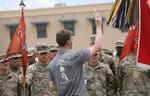
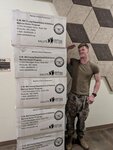
In 2022, what started as a hobby of hosting bone marrow registration drives - walking into different units and convincing leadership to give him a minute or two of their time - resulted in him registering nearly 2,300 people in his first six months; his largest drive to date is 3,995 registered donors in a two-week time span - more than the entire Army has managed to register in the last three years combined. He credits the polo shirts, his word phrasing and the fearlessness of his young age as to why leadership was so receptive. He figured if it could work here at Fort Bliss, it could work anywhere.
"BlissBoneMarrowGuy" is what social media came to know him as once he began to document his journey of making the U.S. Army the largest source of bone marrow donors in the country. The best donors are men and women under the age of 30. This is because stem cells can deteriorate with age, making these young soldiers' ability to pass the military's rigorous medical standards an ideal source for donors, Dr. Green explained. The campaign, Operation Ring The Bell, has been adopted by Army medical command and at least eight other Army bases where any time a soldier comes to the unit, they're briefed about bone marrow donations. The United States in general registers about 200,000 donors a year. Sutton thought the Army could register 100,000 annually through this campaign.
"This is done over years of power moves and breaking rules and plotting and politics from a very tiny rank where we really shouldn't have gotten away with any of this," Sutton said through a laugh. "There's never been a point where I'm like 'This is a normal thing.' I'm at too small of a rank to where it is perpetually weird for everybody that I still just run the Army's bone marrow program as a hobby. None of how it works should work."
But it does. Dr. Green can only imagine the benefit it will be to those in need.
"It'd be amazing," she expressed. "Getting these young men and women - they respond really well, they're usually very dedicated, they want to serve others, and they want to serve their country, and they're just a great resource for helping out and giving back."
Despite how it sounds, bone marrow donations are quite painless. There are two types of donation processes: autologous, which is people using their own stem cells, and allogenic, which is having a donor that is not yourself donating stem cells, which can be an infant, child or adult. No surgery required.
A match will get four days of shots to stimulate their white blood cells and push them from the bone marrow and into the peripheral blood to be collected. There may be some aches in the lower back, pelvis and chest area, similar to that of the flu, which is common; that's where most of the bone marrow is. When it comes time, a couple of IVs are placed to collect the stem cells, calling for six hours on a machine. Besides the wait time, Dr. Green assures the process is "very safe," laughing as she explained, "It's more boring than anything. So, bring a good book."
Sutton would visit a donor in Washington, D.C., and spent a couple of days watching him on his donor journey. The experience, in a visual sense, was lackluster, but he knew its impact would be anything but.
Then, it would be his turn. This year, in the middle of getting this campaign off the ground, he got the news he was the only matching donor for a cancer patient. Sutton and Dr. Green agreed, some donors wait 40-plus years waiting to be a match; it took him less than five. He told them to toss him on a plane as soon as humanly possible, he didn't care where. The hospital was picked - MUSC in Charleston - and he was on a plane, headed back to South Carolina a few months later. He told his grandparents to come down to visit him while he was local and told them where.
The lore behind this hospital, it being the place where his mother, whom he knew little of, spent the last two years of her life being the very place he would go to give someone else a better chance at theirs was "overwhelming, to say the least." In that moment, through his tears, he struggled to gauge the impact her death had on him. He only knew the absence and the theory around her death, listening to those who knew her say "she would be proud" of all he's done. He read her digital journal, noting days in her early 20s spent celebrating her birthday during radiation treatments, going from struggling to move to braving a two-mile walk on the treadmill and swimming laps in the YMCA pool. It talked about how things were looking up. Then the Hodgkins came back.
The week he donated was an emotional one, filled with confrontations of emotions he had removed himself from years prior. The journey he's started has been a rewarding one, not for the notoriety but for the impact it has and will continue to have on others.
In April 2025, he wrote in a post to the thousands who have followed his journey thus far, "This is the first time in my life 'She would be proud' has me putting 'I hope' in front of it."