
Past is Present, presented by Sumter Museum: Temple Sinai and site manager Roof keep legacy of Sumter's Jewish community alive
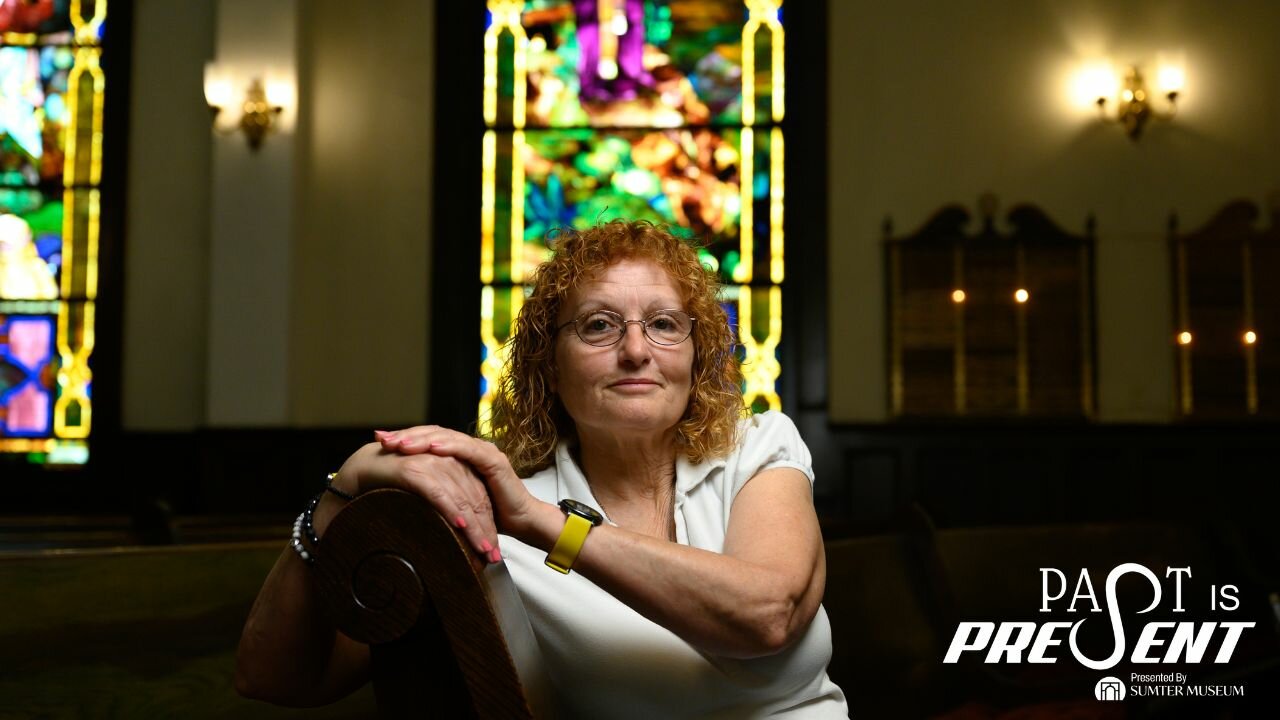
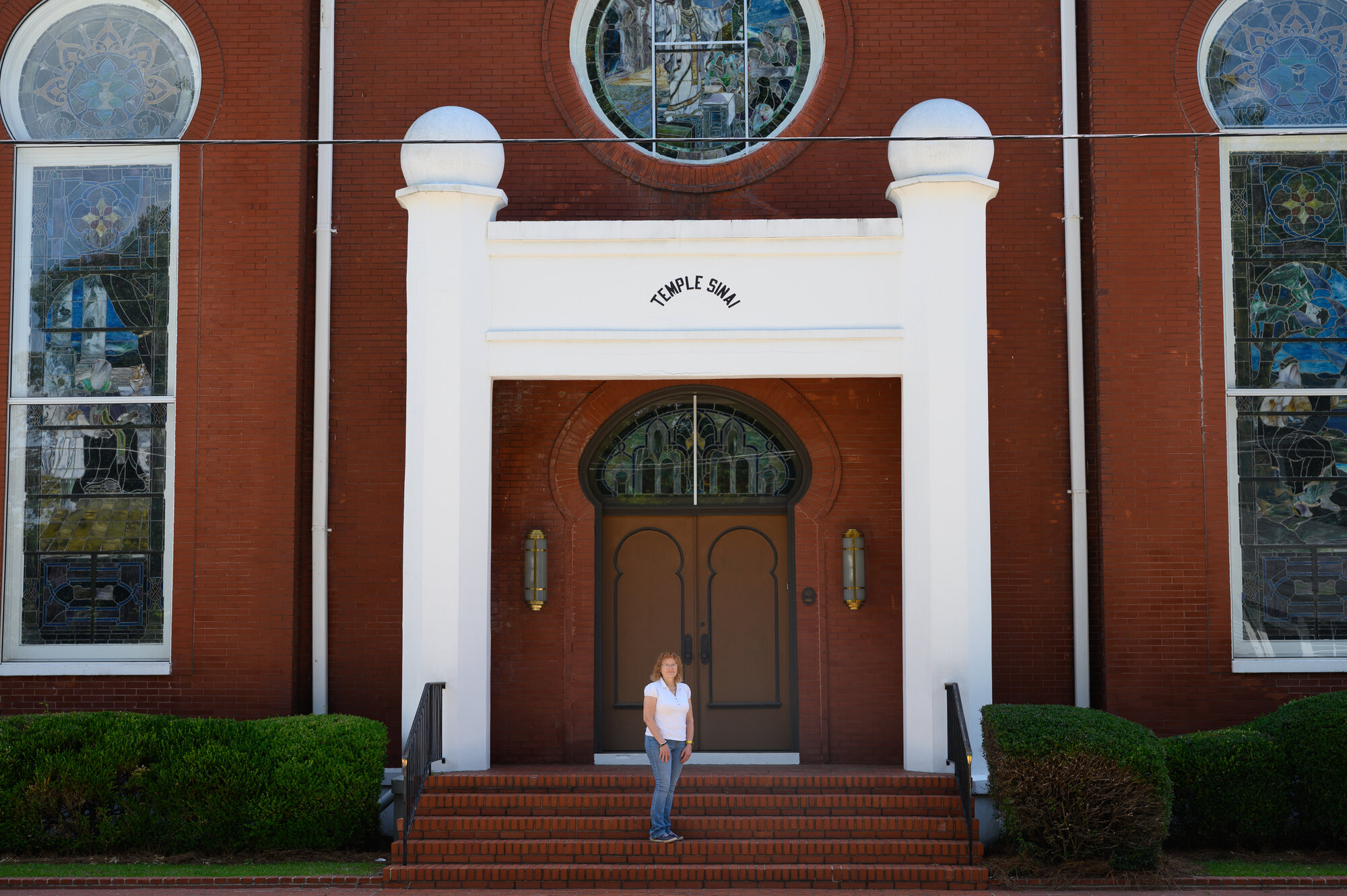
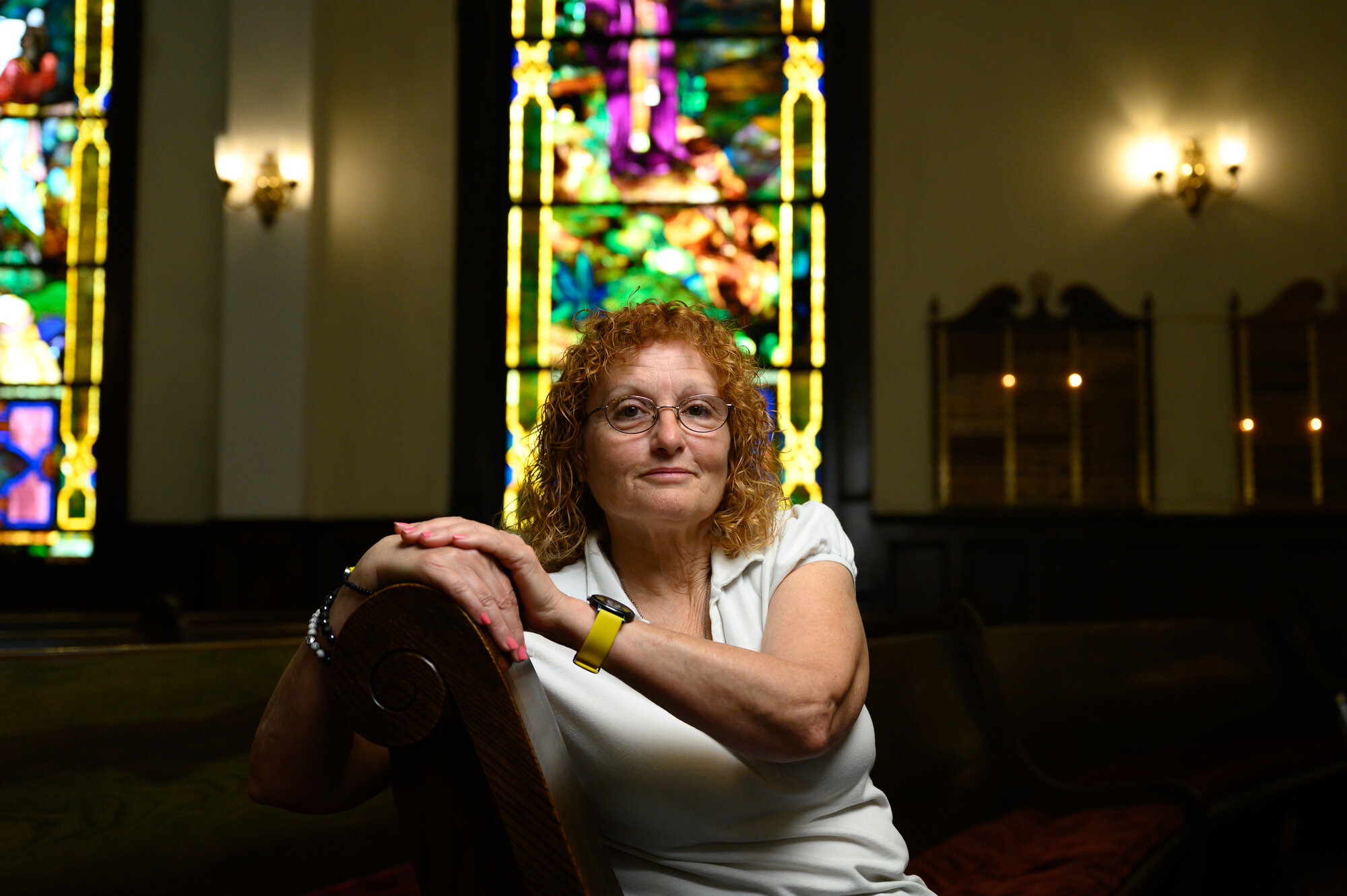
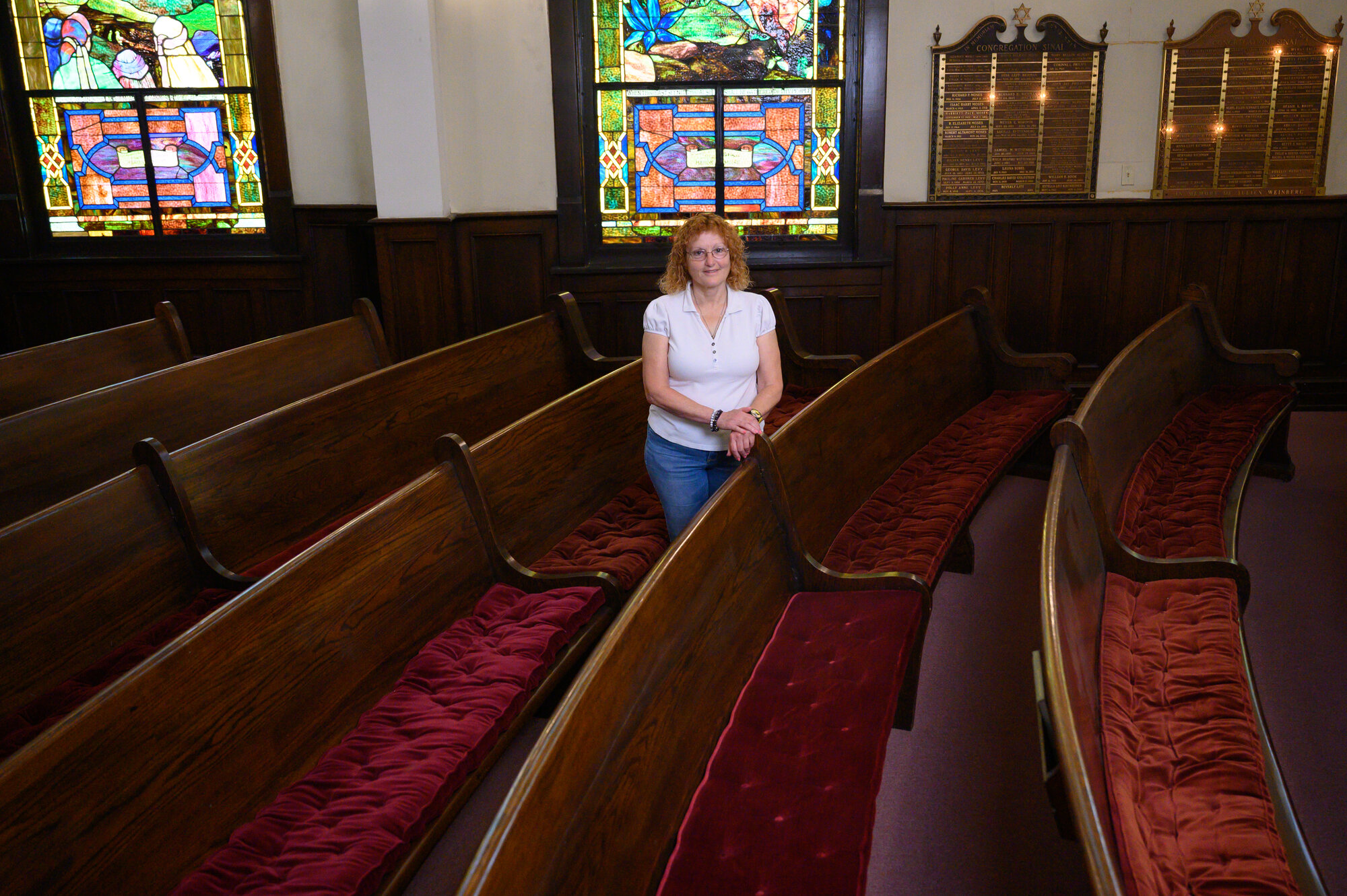
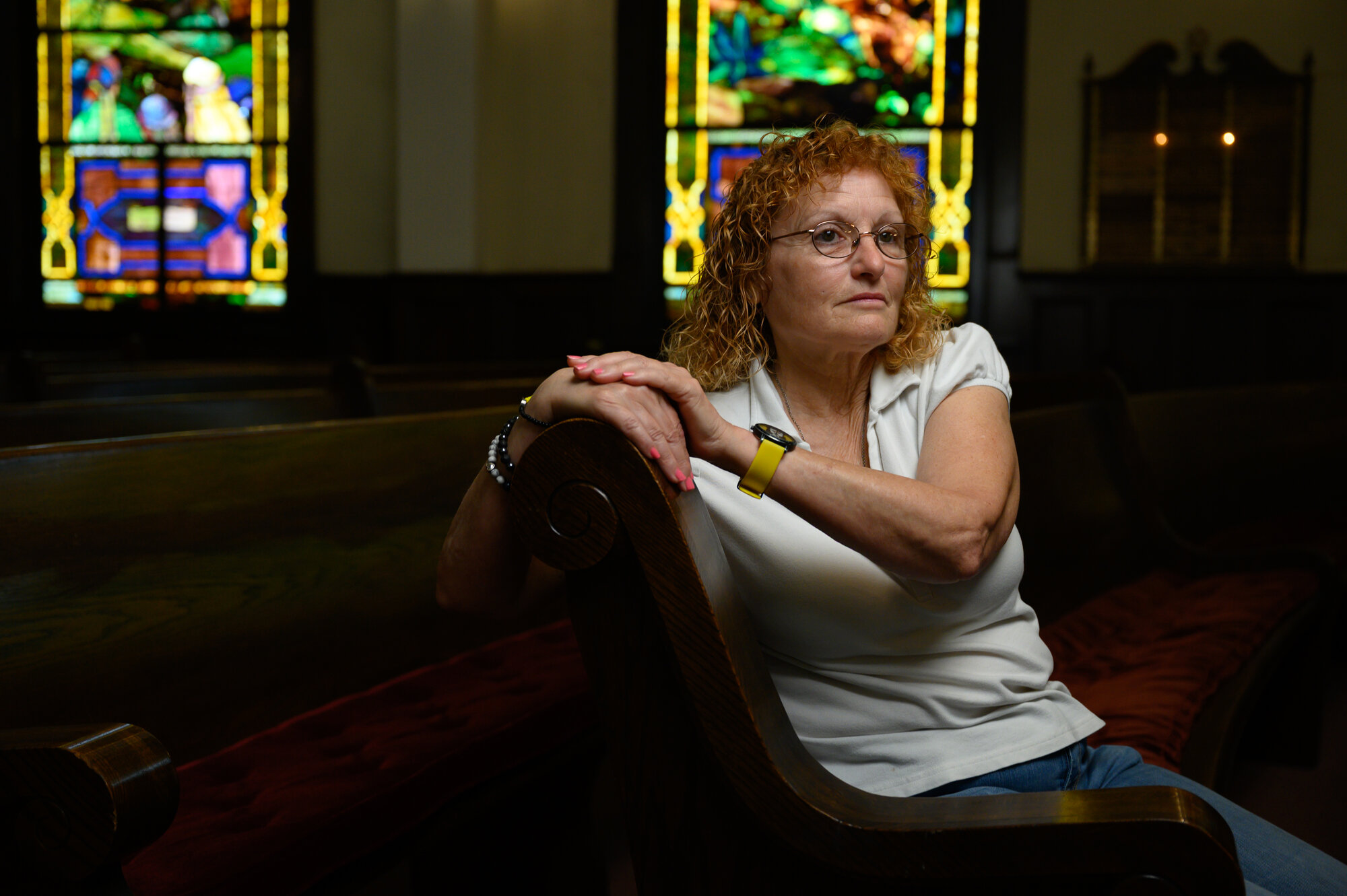
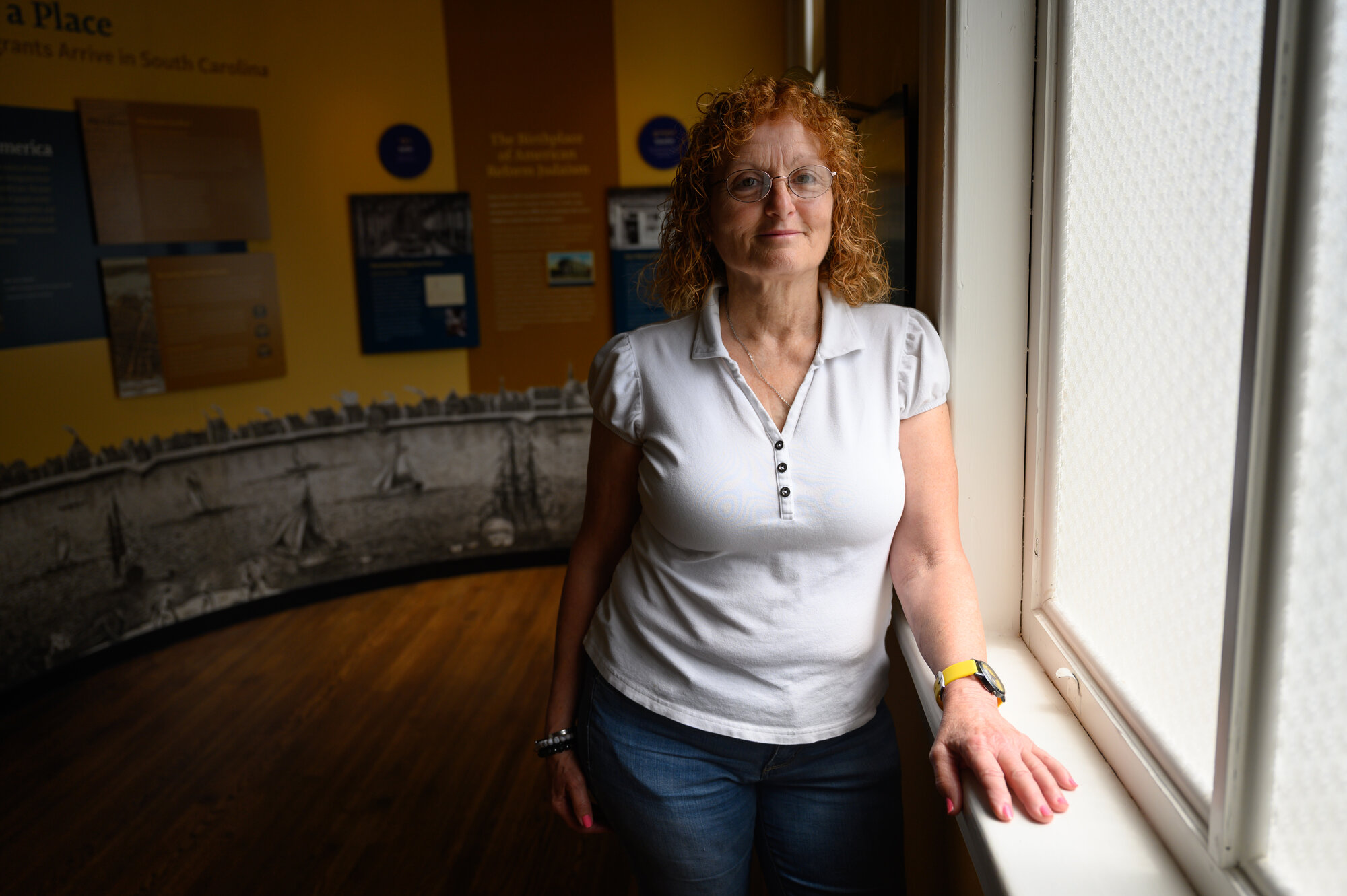
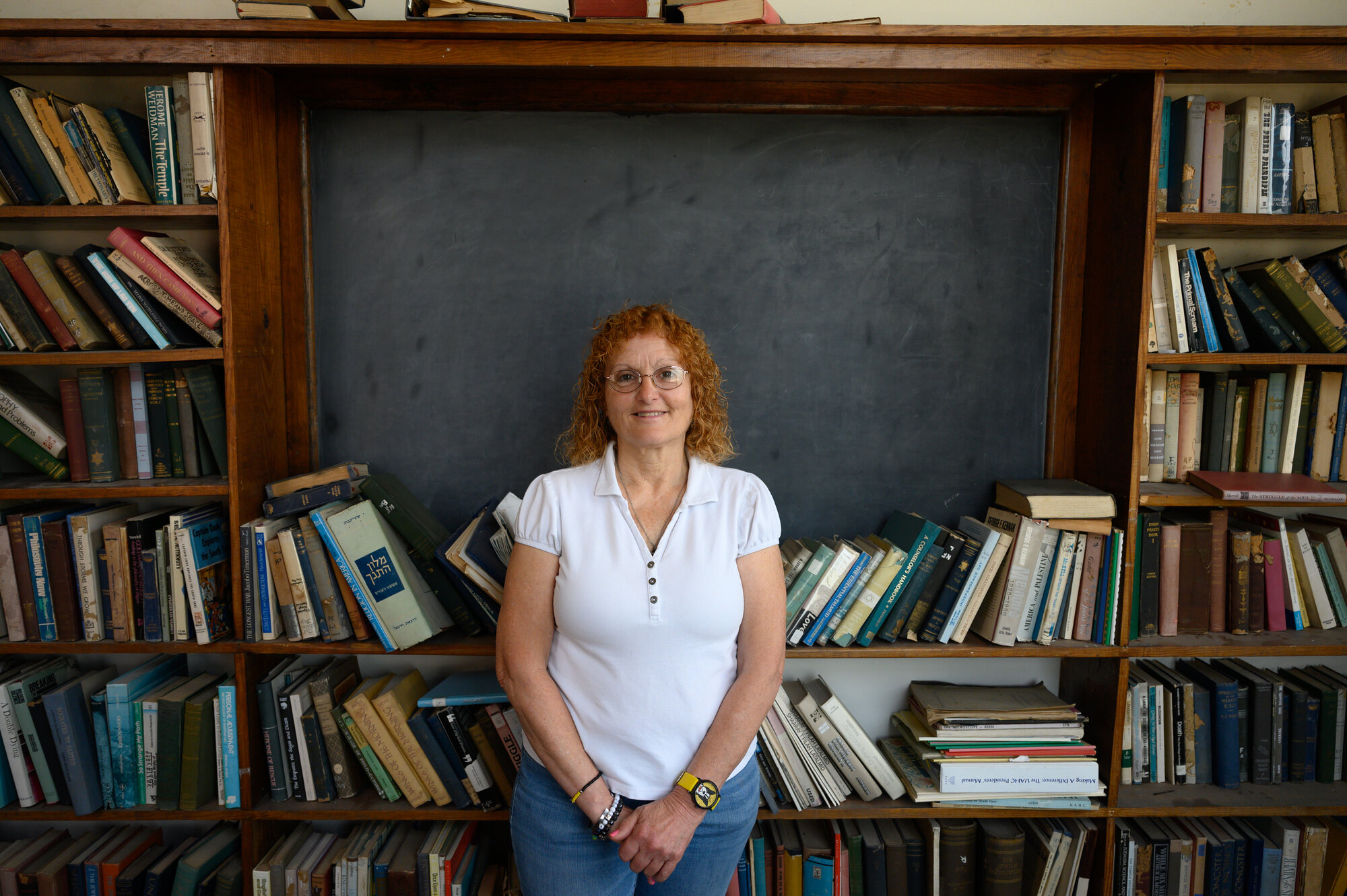
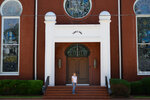
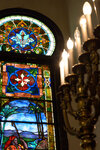
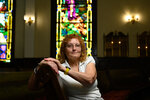
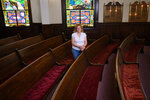
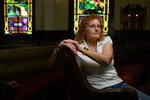
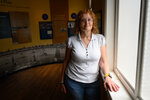

Walk through the doors of Temple Sinai Jewish History Center on a quiet afternoon, and you may find sunlight drifting through its stained glass. A warm silence settles over its pews, and its site manager and administrator, Diana Roof, greets you with a smile and a slow stroll through history.
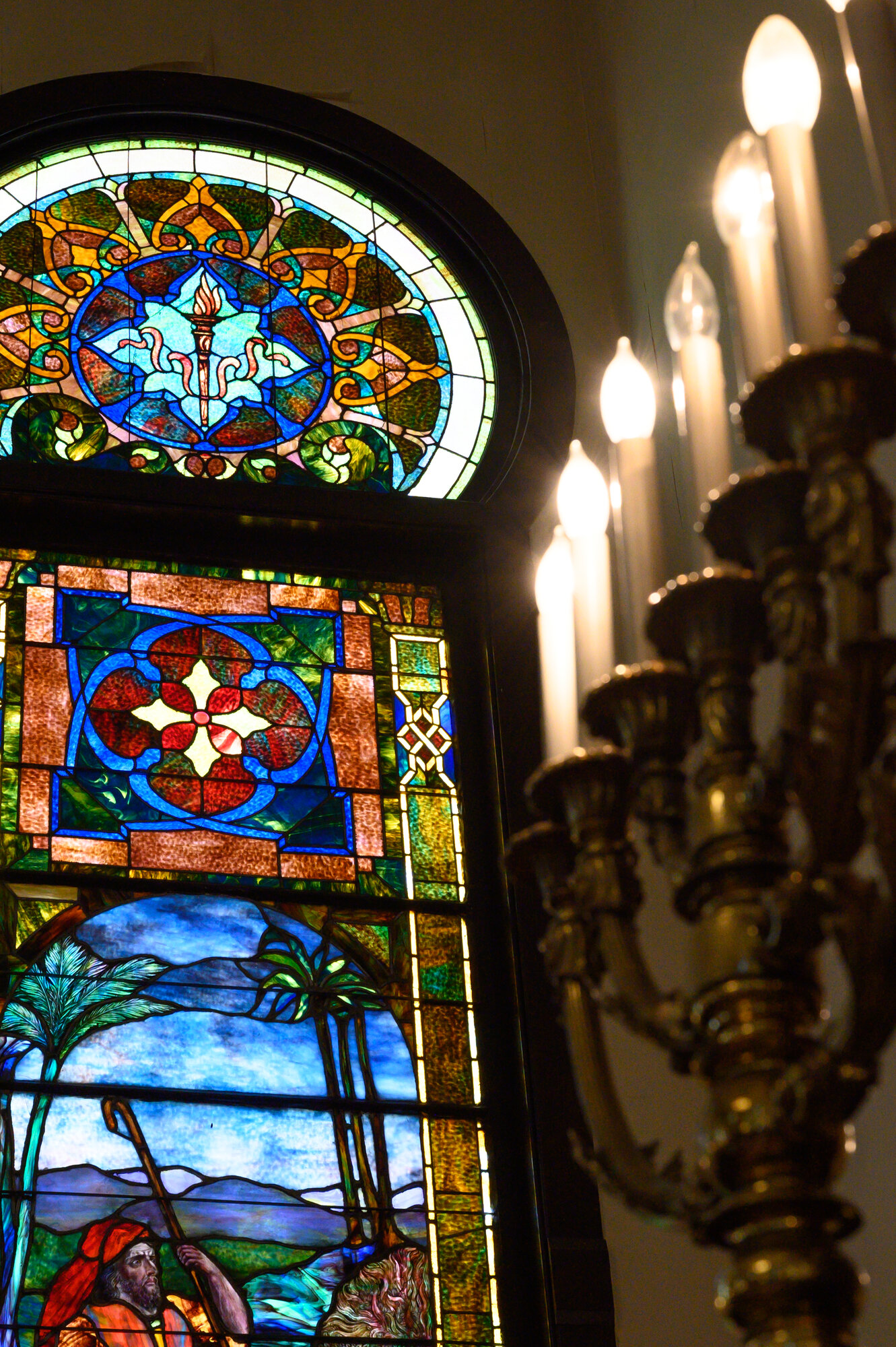
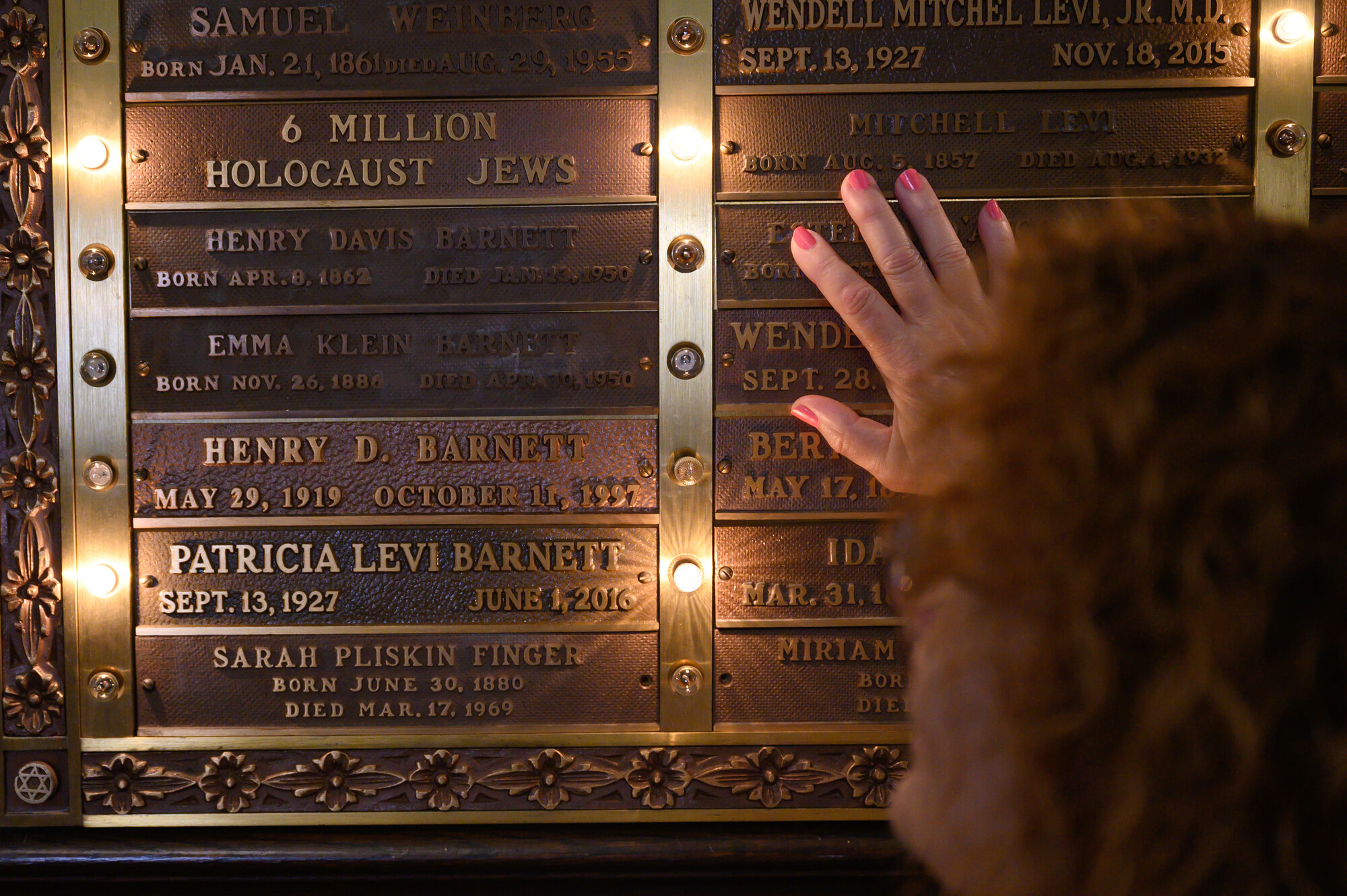
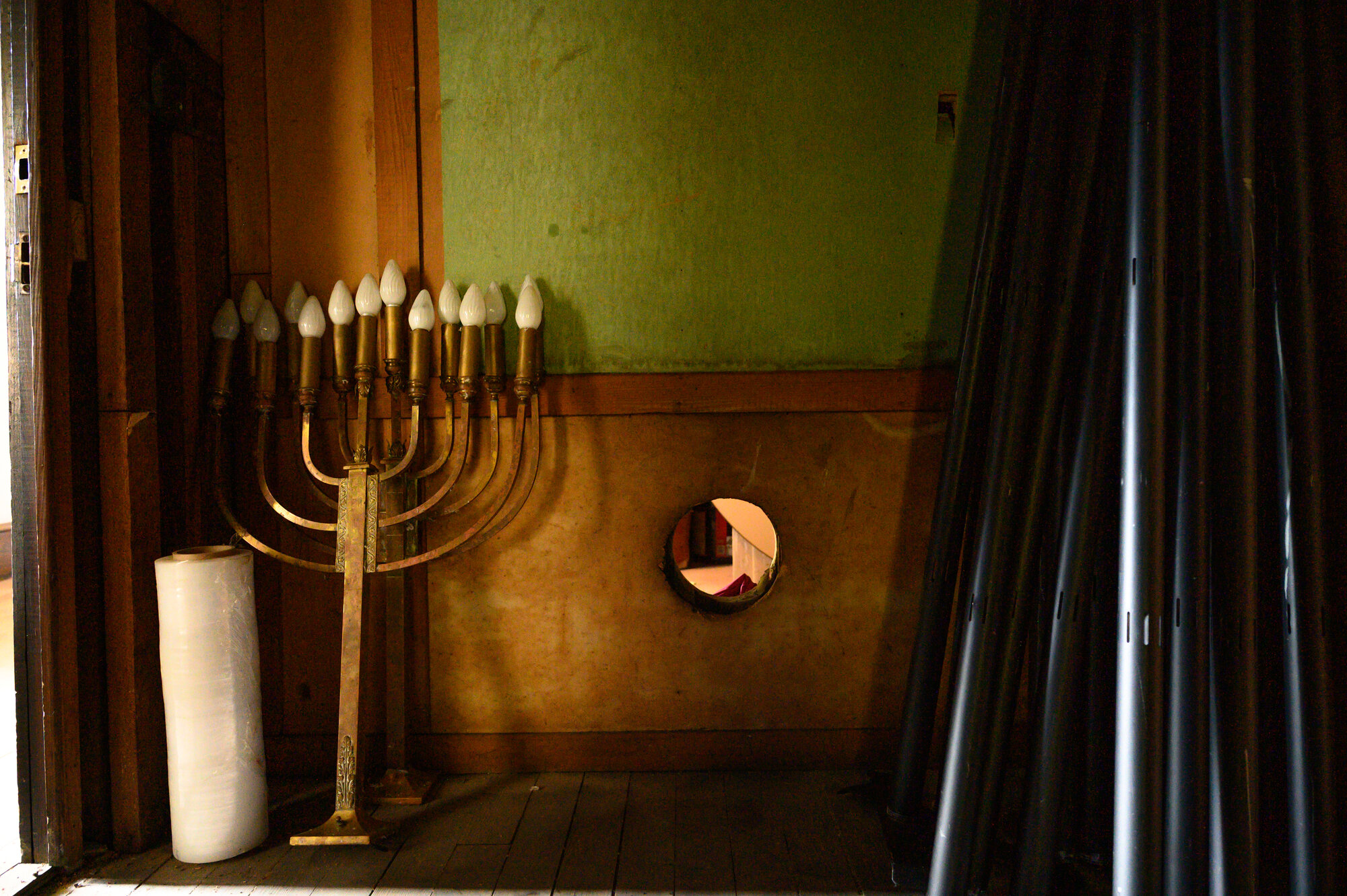
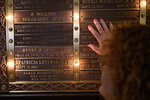
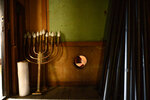
Inside its sanctuary and the Jewish History Center attached to it, faith and memory live side by side. Each window tells a story from the Old Testament. Each plaque etched with names on the Yahrzeit wall honors a life lived. Each exhibition panel details the impact the Jewish community has on Sumter's legacy.
Temple Sinai's story begins like many in America - with a search for belonging and a desire to build something that spans generations. The first Jewish settlers, the Solomons, arrived in Sumter in 1813, opening a dry goods store. As more families arrived, along with lucrative businesses, they brought a deep sense of culture, faith and responsibility. By 1874, the community had grown and purchased land for a cemetery and, not long after, began gathering in rented spaces for worship, including the second floor of the Rittenberg Building that sits across from Sumter Original Brewery along Main Street. The sanctuary that stands nestled on the corner of Church Street was established through fundraisers in 1895 as a carefully built wooden structure. Though some records mistakenly state the original building burned down, Roof clarified that it was "basically remodeled."
In 1912, the signature stained-glass windows were added, depicting the stories of Moses, Joseph and other figures. The sanctuary was remodeled again in 1960. By the mid-20th century, Temple Sinai was at its peak with more than 200 members and a calendar filled with Friday night services, Saturday observances and Sunday school for children. Its halls were filled with the pitter-patter of oxford-clad feet mixed with chords from its wooden organ and harmonic choir.
Outside the temple, the Jewish community thrived, as nearly half of the stores that lined Sumter's Main Street were once owned by Jewish businesspeople.
"One of my favorite stories that people tell me when they come in is that during the Depression, you couldn't get money from the banks. But you could walk into a Jewish store, and they will give you credit and you pay on your own terms," Roof shared. "I mean, that really speaks highly of the community."
Through the years, as interfaith marriages became common and families moved away for career opportunities, the congregation began to shrink. From more than 200 members in its heyday, the temple now holds fewer than 20 active members. Most are older; many have passed. But the story of Sumter's Temple Sinai has not ended; it's taken on a new shape.
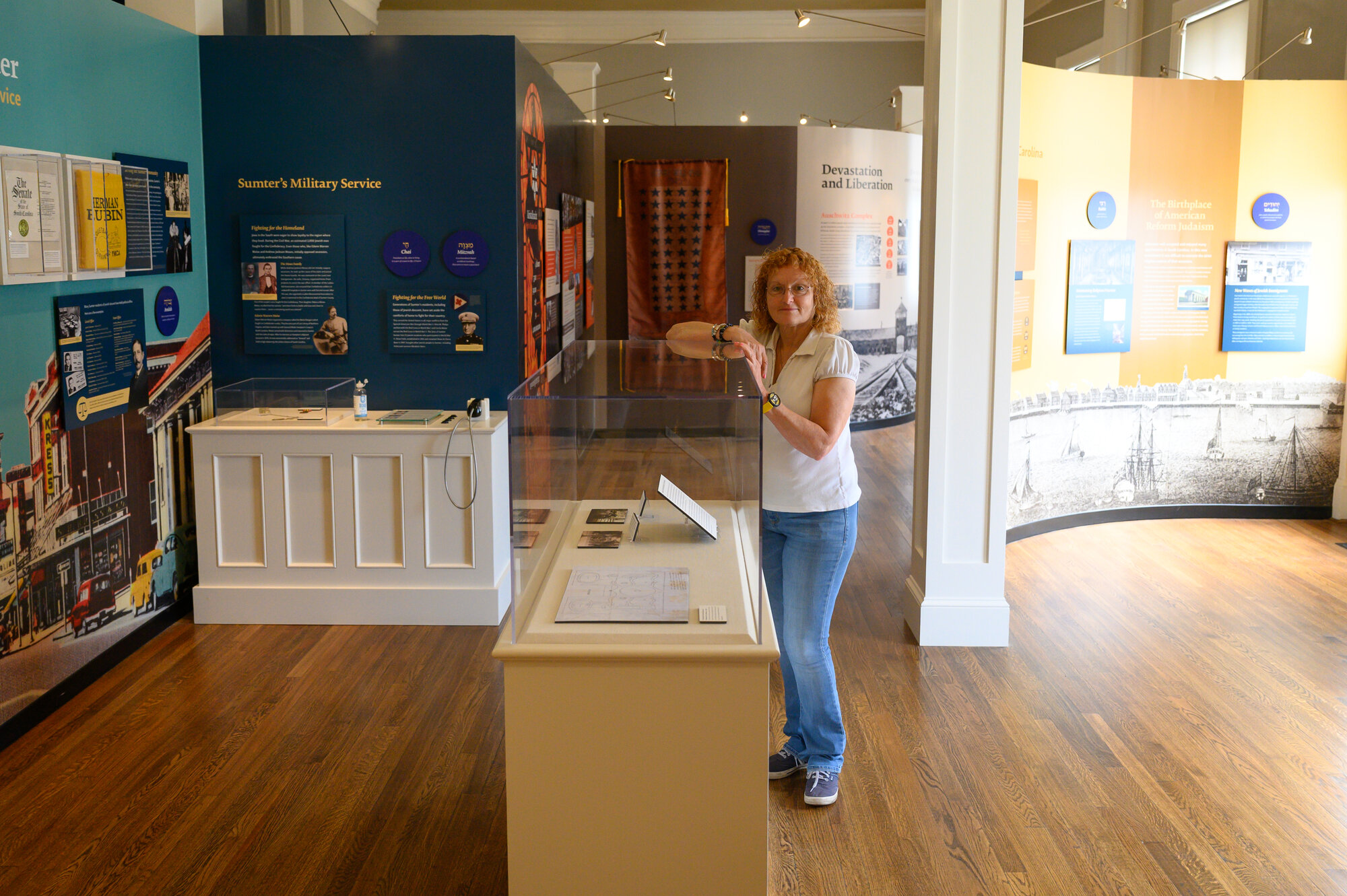
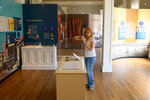
Before his passing, Roger Ackerman, in partnership with Sumter Museum, raised money to add a history center onto Temple Sinai in an effort to preserve and share the richness of Jewish life in Sumter. Rather than solely focus on the Holocaust, the center offers broader, more life-affirming components about Judaism, its holidays and traditions. Each part of its permanent exhibit, situated in the main hall, was designed to preserve the Jewish legacy in Sumter and make it relatable to visitors. In one corner, there are stories of Jewish-owned businesses - like Jack's Shoes, where visitors will often pause and say, "That was my first job." In another sits a seder table set for the ritual meal that commemorates the Jewish people's liberation from slavery in Egypt during the Passover holiday; Roof often explains the meal mirrors what Christians known as the Last Supper.
In the history center, exhibits rotate throughout the year, often drawing curious locals and out-of-town visitors alike. Its newest installation tells the story of the Kindertransport - a series of rescue efforts between 1938 and 1940 that brought thousands of refugee children, the vast majority of them Jewish, to Great Britain from Nazi-occupied Germany.
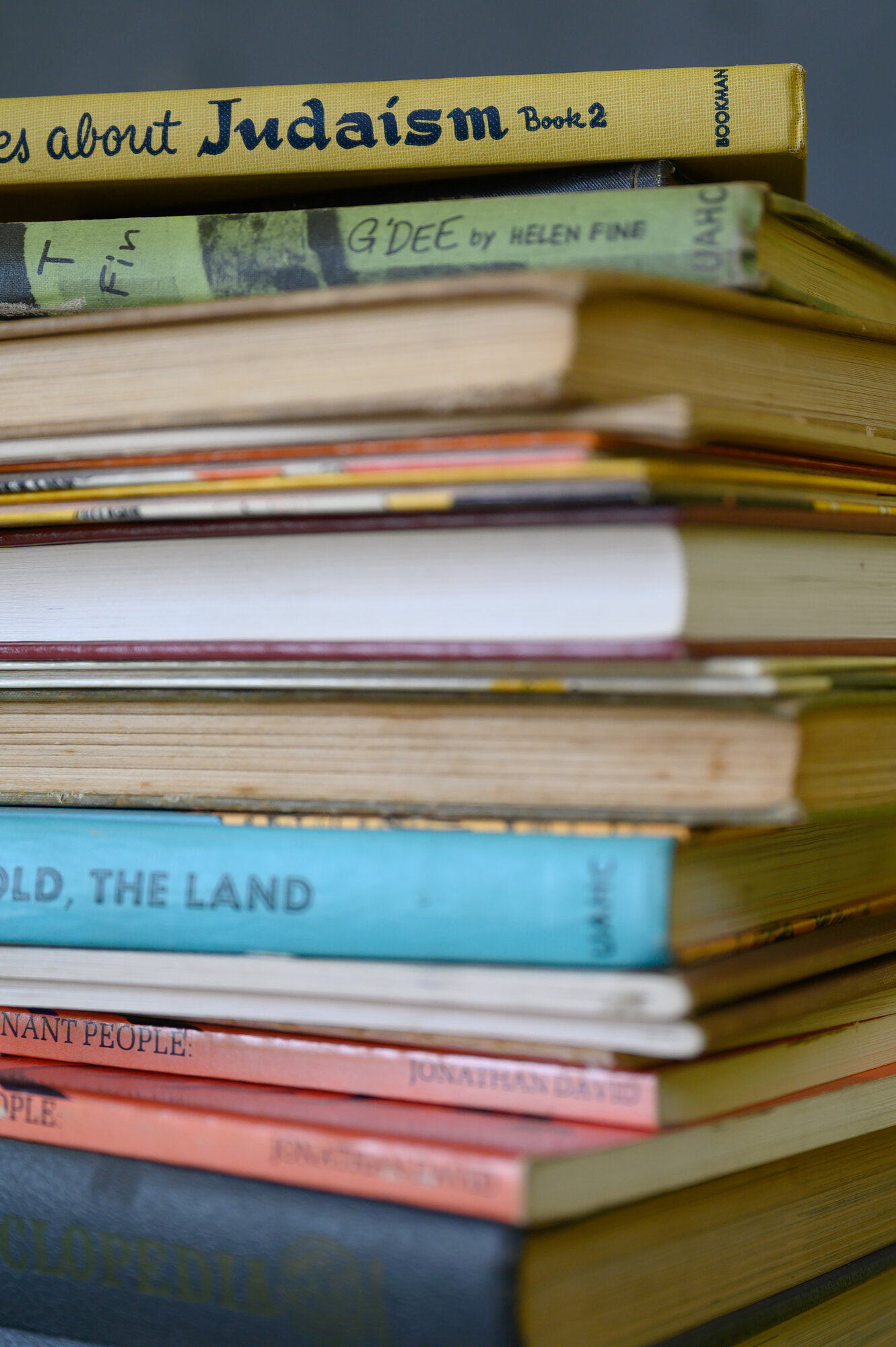
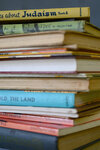
Education also goes beyond the temple walls, as Roof hosts readings for grade-school children of Curious George - the series authored by Jewish couple Hans and Margret Rey, who fled Paris in 1940 before Nazis invaded the city. She offers school tours, hosts concerts with world-renowned acts, arranges interfaith services and even throws holiday-themed parties. Everything is designed to open the door to a deeper understanding - be it through explaining a sacred ritual, a simple book reading or a warm smile.
"A lot of times, if you take things that they're familiar with and incorporate it into what's out here, I can see a light go on over their heads," she said.
And that light is everything to Roof.
She didn't grow up attending Temple Sinai. She didn't grow up practicing the Jewish faith. But what began as curiosity about her lineage, tracing back to her three-times great-grandfather, an Orthodox rabbi who converted to Lutheranism after immigrating from Germany, quickly became a journey to her calling. She would move from Michigan to Sumter 25 years ago and found herself walking through the temple doors one day in 2018 - and never walking back out.
"I didn't know anything about the Jewish history or any of that, but since I've been here, this is my passion; this is my heart."
To Roof, preserving the history of Temple Sinai isn't about earning praise or ticking boxes. It's about honoring lives and protecting memories. It's about ensuring that when the light on the Yahrzeit board is aglow, the 6 million Jews who perished in the Holocaust, the family killed in a plane crash and the loved ones who closed their eyes for the last time are never forgotten. It's about inviting visitors of differing faiths in to see, despite what may divide us on the surface, our connection at the heart is all that matters. It's about building a bridge between past and present, people and purpose.
Without asking for it, Roof has become the beating heart of Temple Sinai. While the structure stands as a bookmark in Sumter's legacy, many attest that it remains "special" because of Roof's devotion to its upkeep. You ask what drives her to unlock these doors on any given day even if no one is scheduled to visit or why she takes phone calls outside of temple hours or why she goes the extra mile to send a thank you card for someone's simple act of kindness, something she didn't get much of growing up and makes it her mission to give - her answer serves not as a surprise, only a reminder.
"A mitzvah is a good thing that you do that you don't get paid for. 'May your memory be for a blessing' - you'll hear that a lot at funerals. You want to do good things while you're here that people will remember you for," she expressed. "I just look forward to coming here every day. I know that may sound silly, but I - I just love it."
Temple Sinai is far more than a synagogue. It's a promise that Sumter's Jewish community, even as it dwindles, still matters. A promise that an eager student on a school field trip or a curious tourist passing through town will leave the temple with a deeper understanding that Judaism isn't a world apart but a root in America's history. A promise that our differences don't divide us, only deepen our humility about our shared humanity.
"I want people, once they go through here, to see that Jewish people are just like us," Roof said. "We're one community, and we need to work together."