
Past is Present, presented by Sumter Museum: Sumter's 1st Black American Legion Post still stands on service to community who shaped it



History is man-made. Sometimes, it's born out of curiosity. Other times out of spontaneity.
But there are times when history is made out of necessity. When options are slim and advancement comes at a price most cannot pay. It's in those moments that history is made because the only way to move through the world is to endure it.
That's how American Legion Post 202 came to be. From the deep need felt by Black veterans who returned from war to the South where their service, though brave, often went unnoticed. They carried their trauma in silence, their medals in their hands and segregation on their backs, longing for a place to rest it all.
When it became too much to bear, they did what history makers do: They built their own.
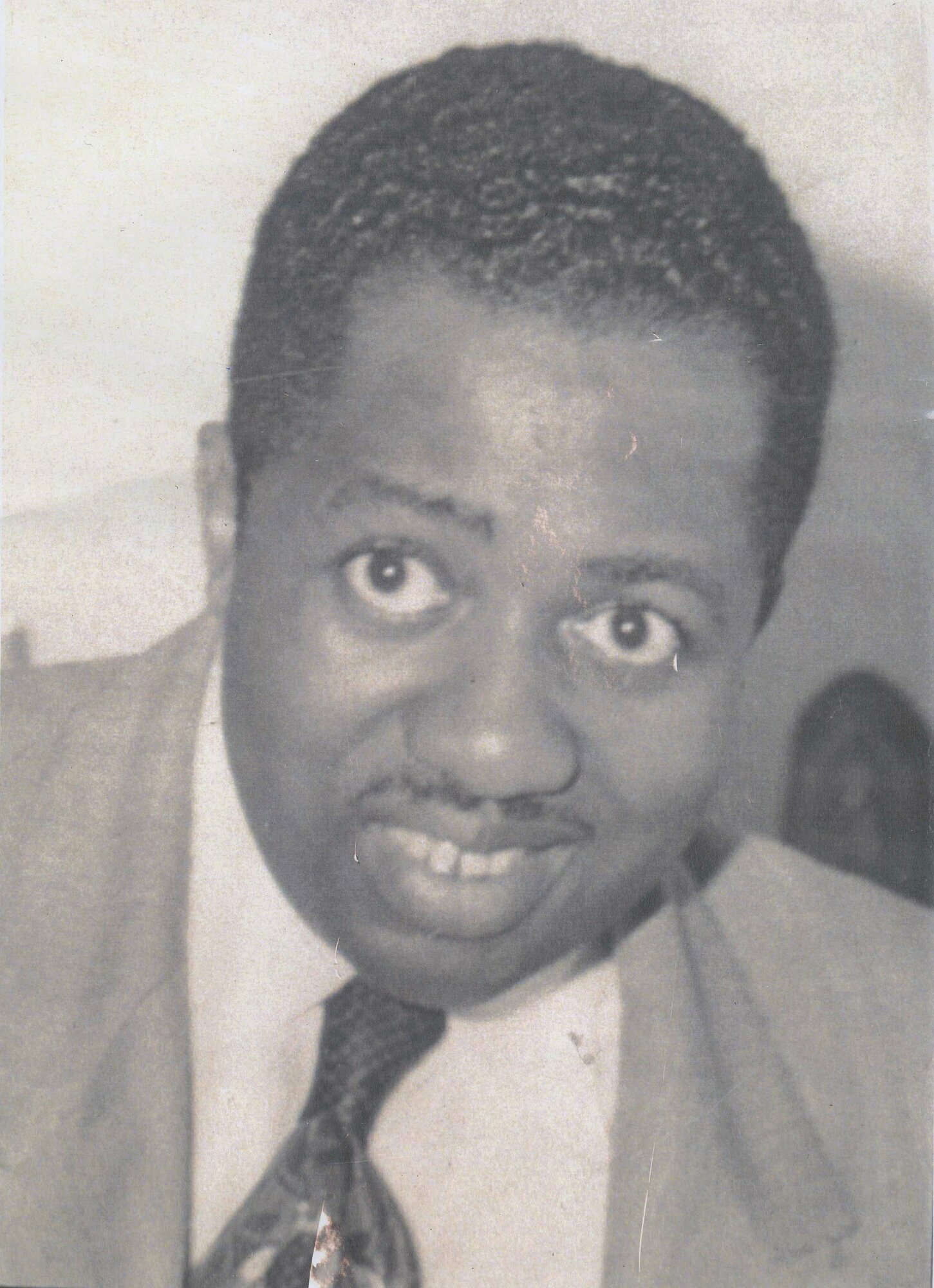
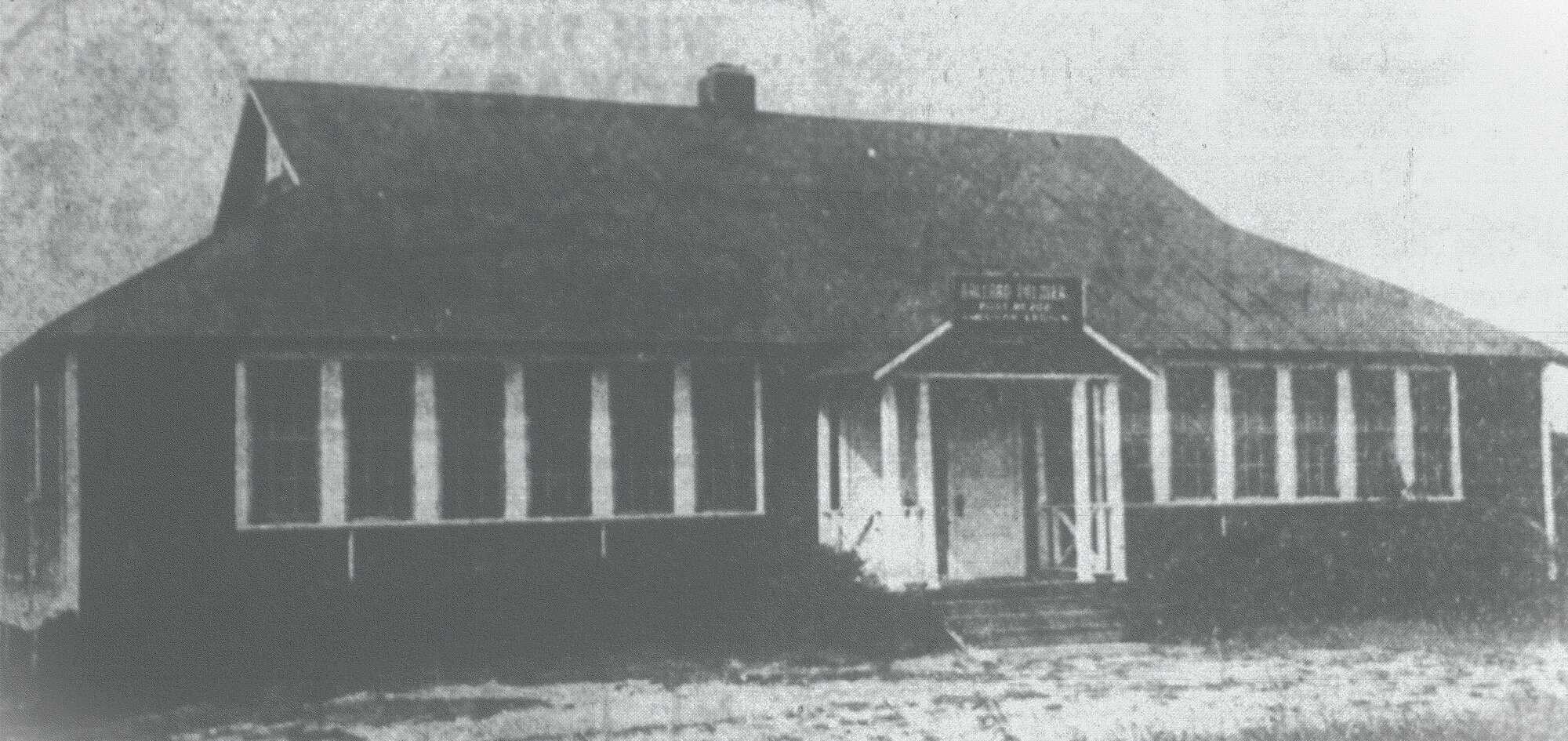
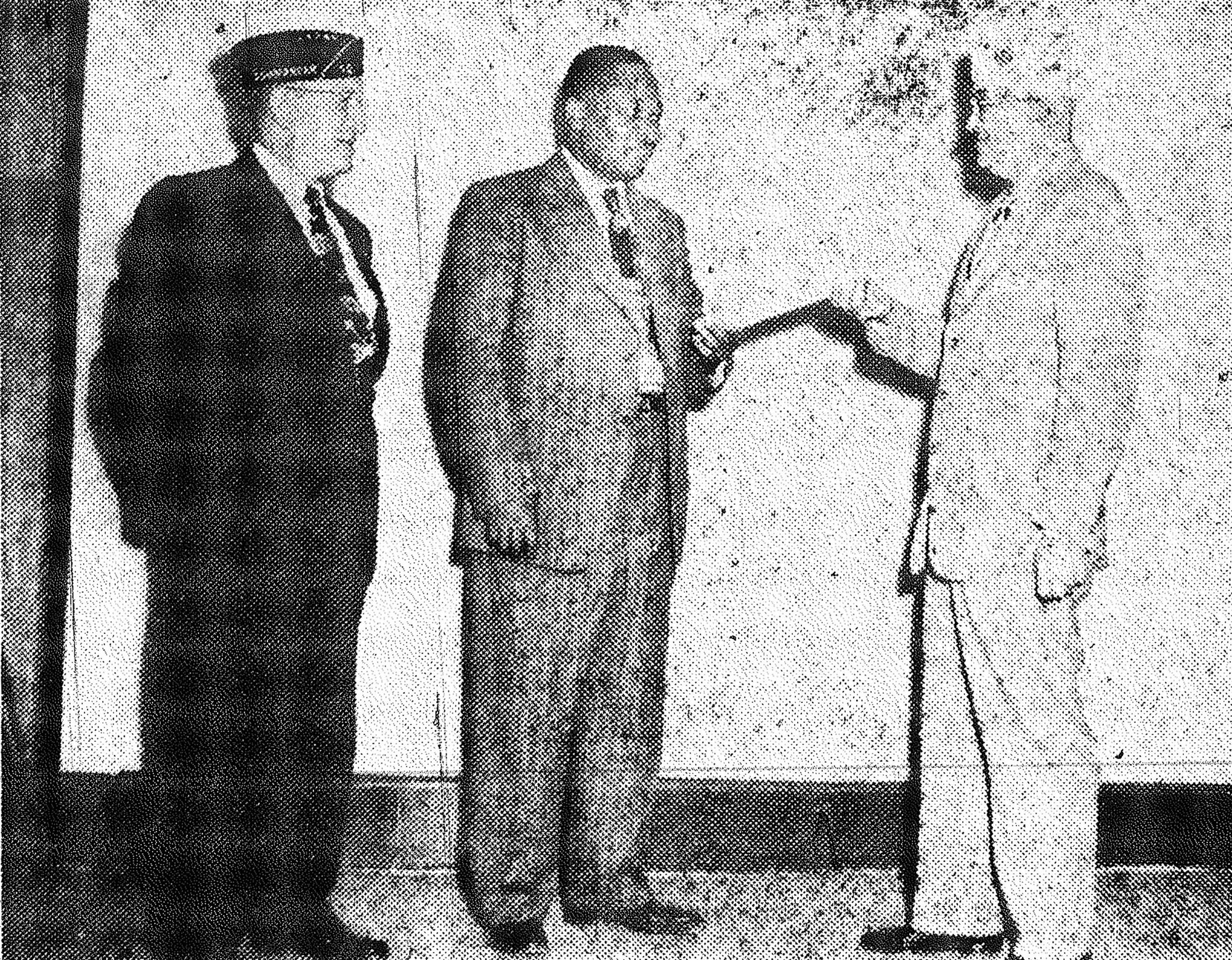
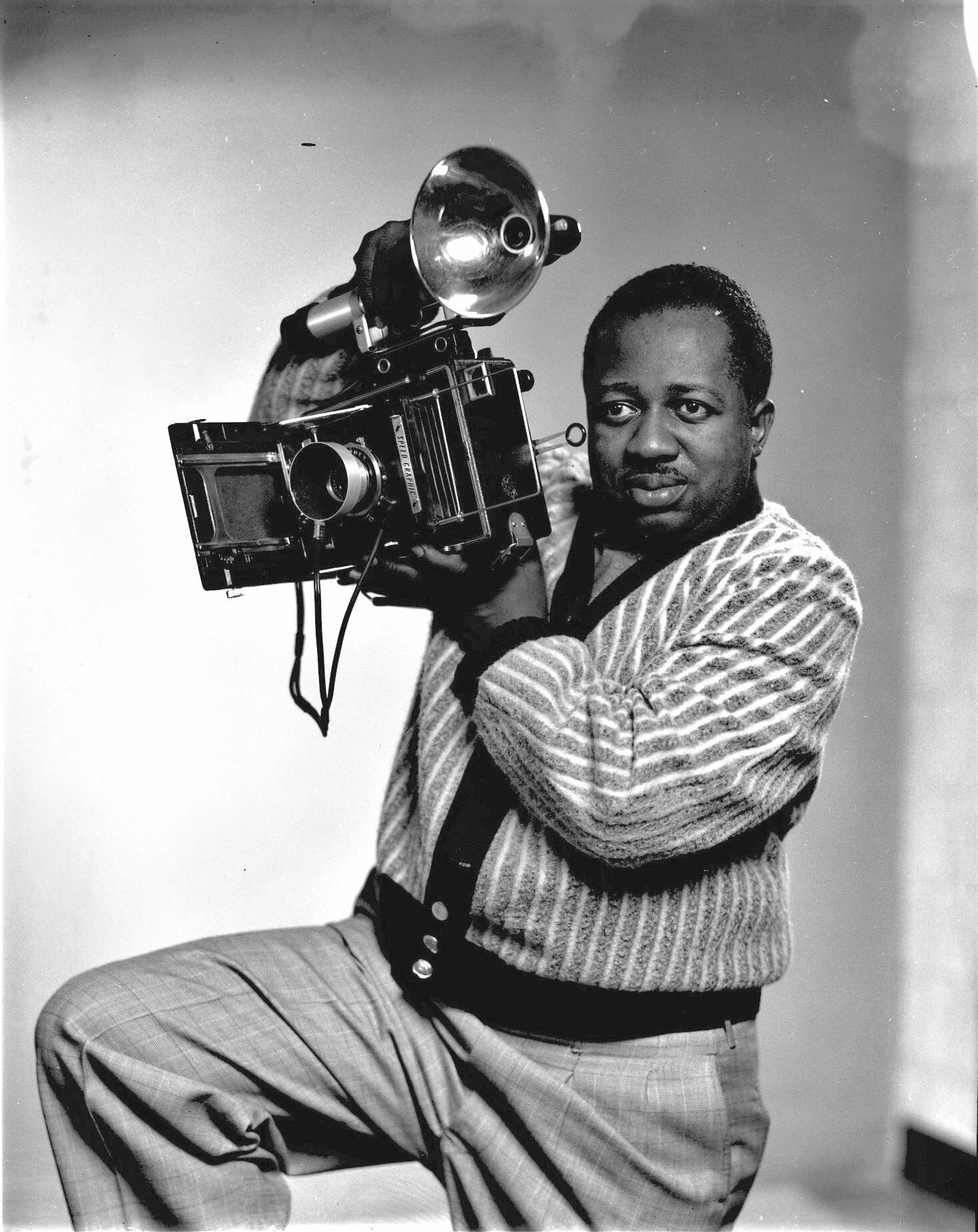
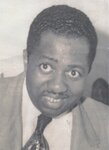
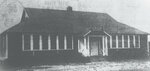
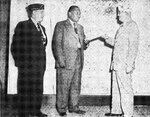
The late Dr. Edward C. Jones, a dentist in Sumter and an Army captain who served in the Dental Corps during World War I, organized Sumter's first Black American Legion Post. According to The Sumter Item archives, officers of the newly created post were Dr. Jones as post commander, George R. McCain as vice post commander, Stephen Johnson as adjutant, Richard Dixon as sergeant-at-arms, Matthew Ramsey as finance officer, Harold Walden as historian and James H. Nelson as chaplain. Executive Committee members included Charles Riley, George Brown Jr., Dennis Young and Manning Moore.
It would also be the second Black American post to be chartered in South Carolina at the time, receiving a temporary charter in September 1951, officially activating during a ceremony in the Lincoln High School auditorium and holding an open house in October 1953. Within two years, its membership grew from 23 to a solid 100 members.
It wasn't as if they were actively recruiting. It was because the need was so powerful.
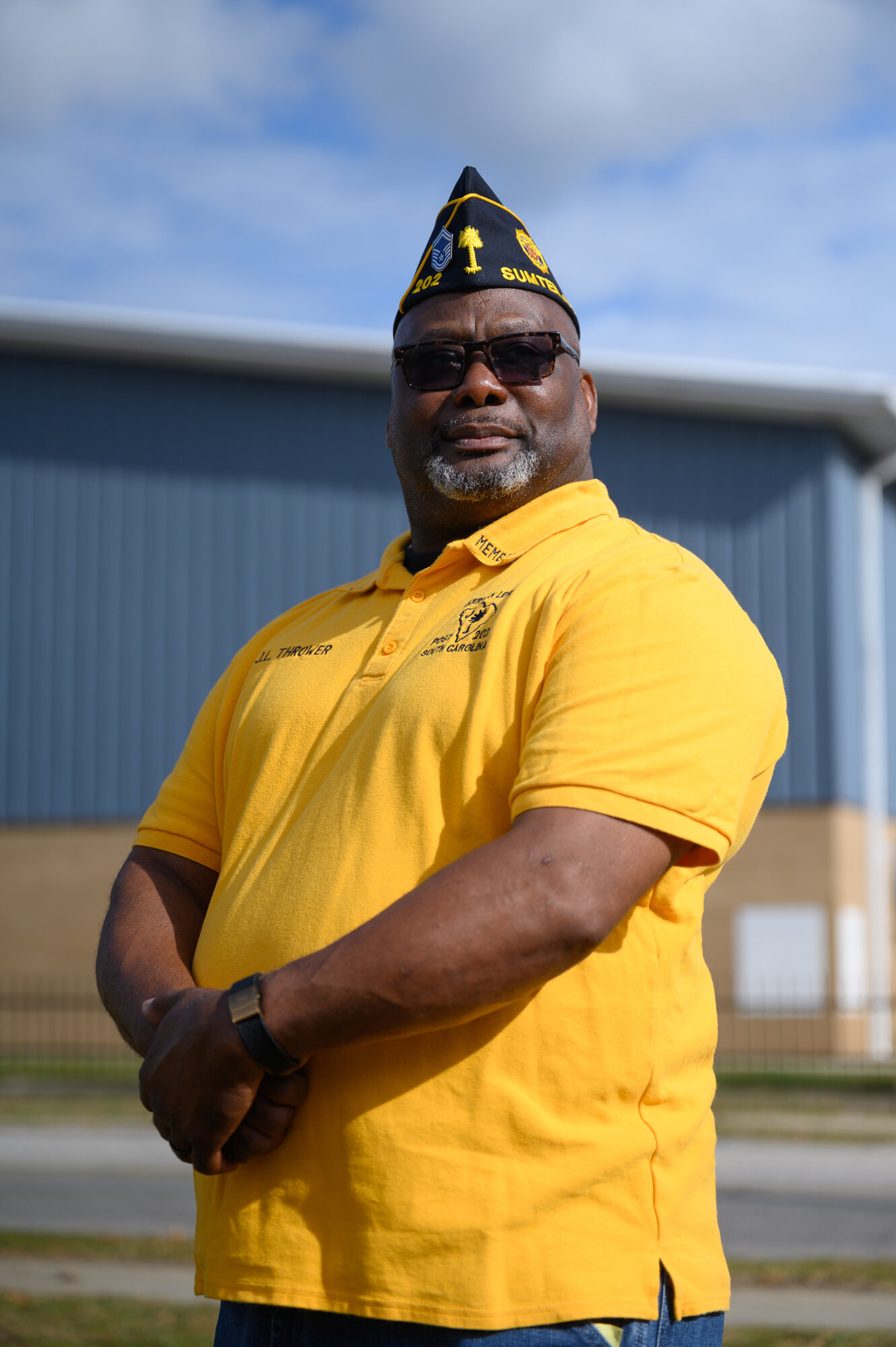
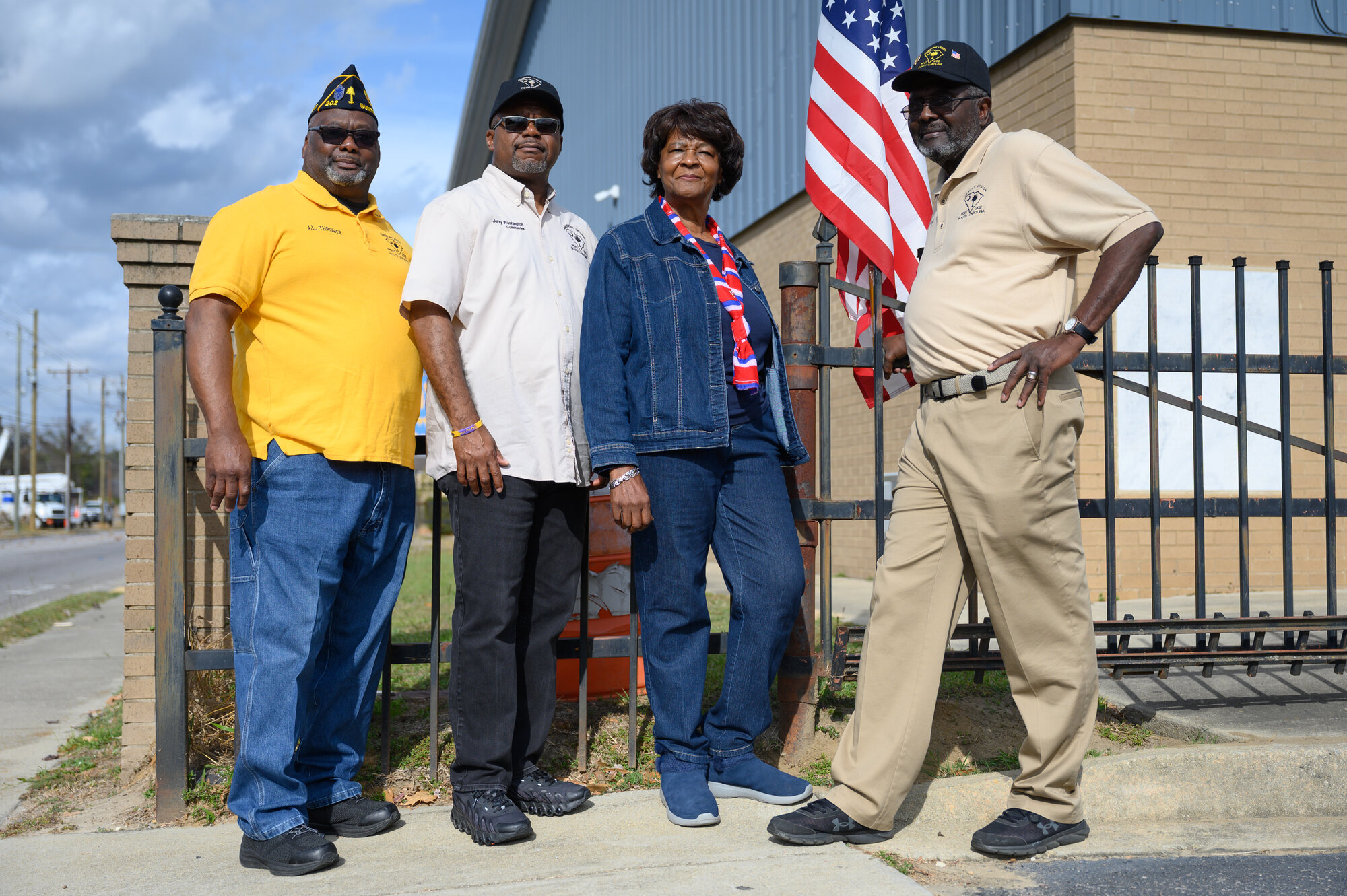
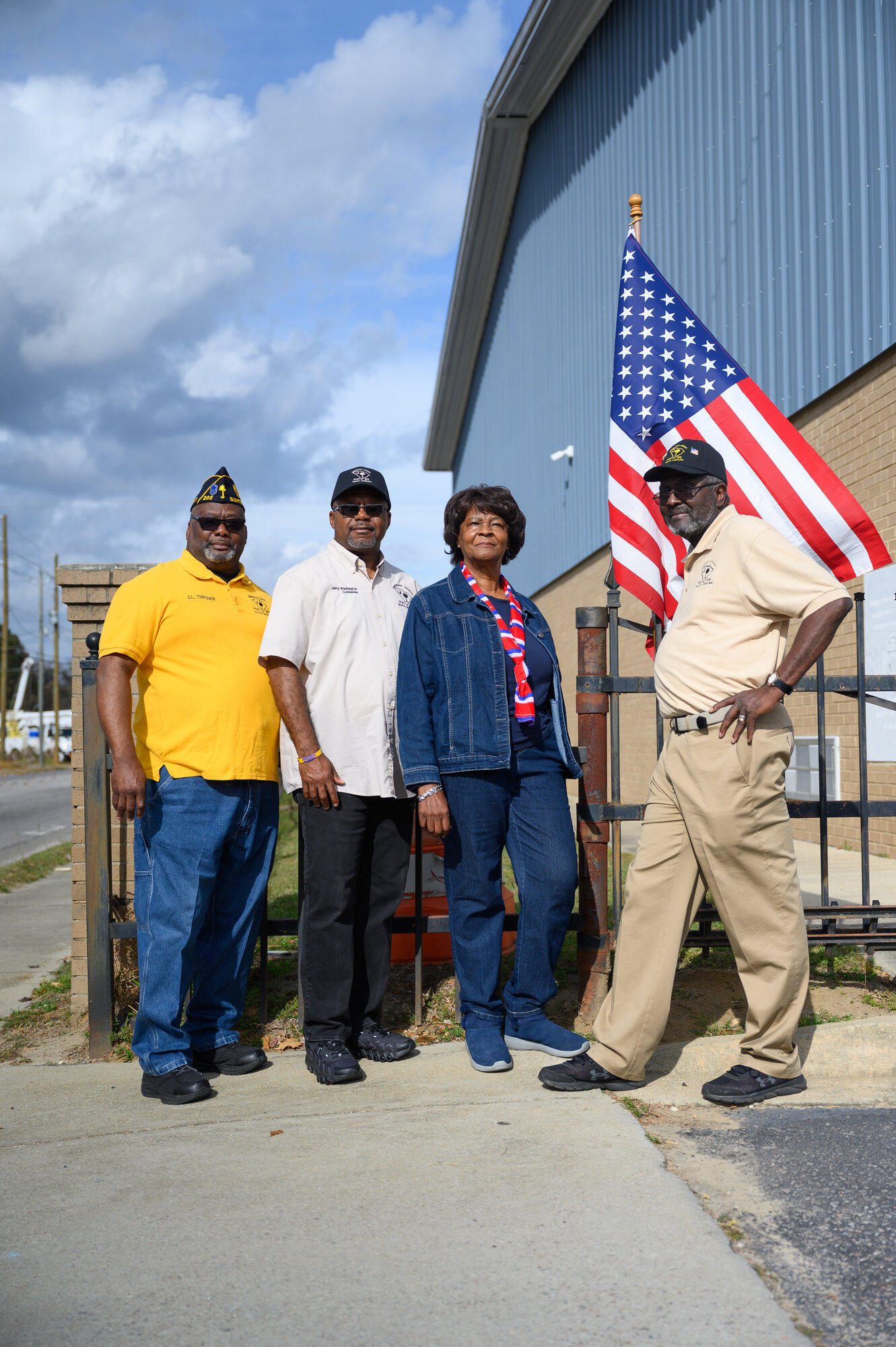
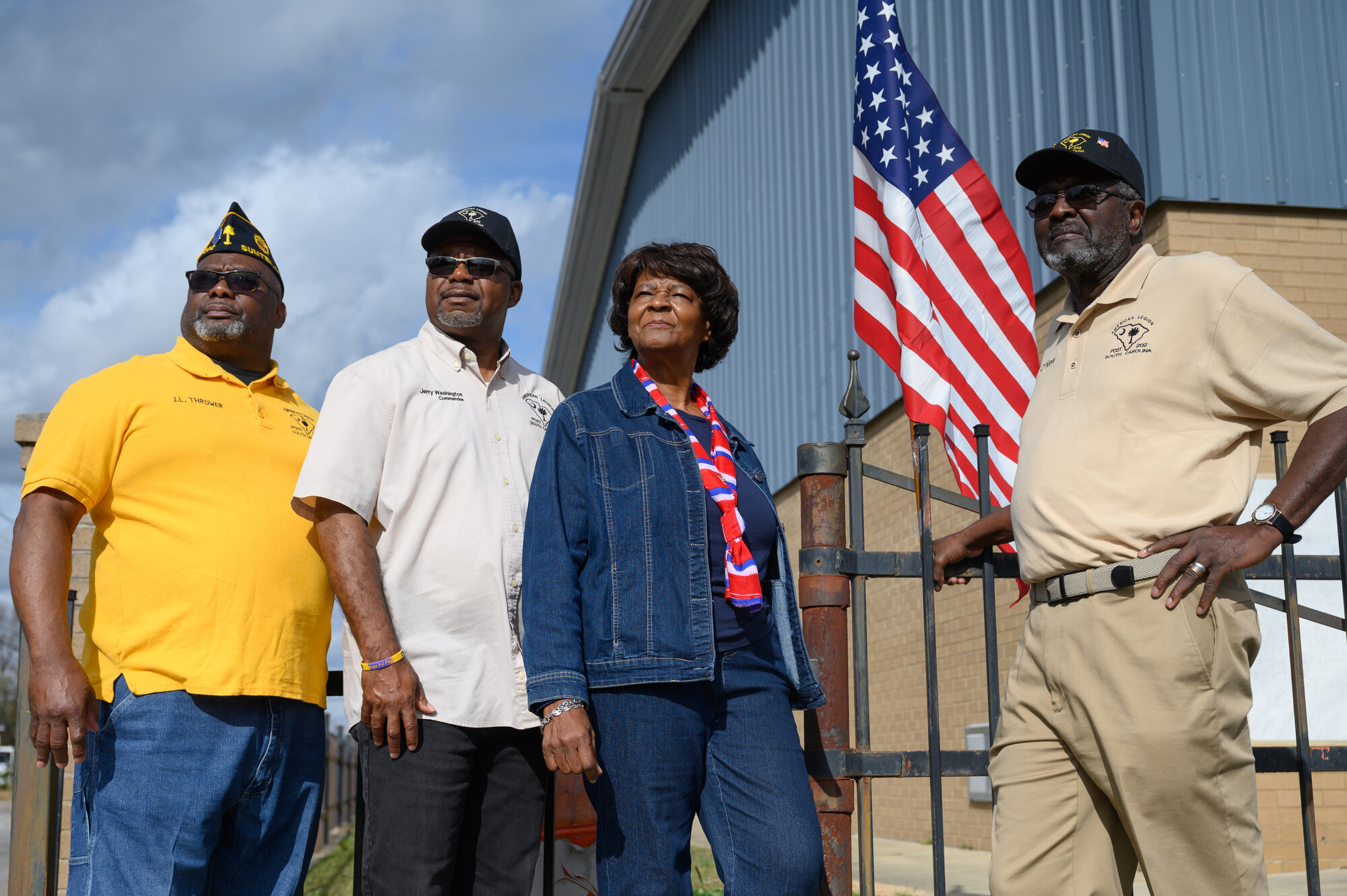
James Thrower Jr., past adjutant for Post 202, grew up on Sumter's Harvin Street. Yet, he reminisced on the days when Post 202, once on K Street extension near Bates Middle School, even in its early stages functioned like a home away from home for the men who gathered there daily.
"Post 202 was a centerpiece for the community," Thrower Jr. recalled. "It has a really special place in my heart and in this community. The camaraderie and fellowship of them [the Post members], those guys would get together and tell their war stories. You could set your watch by some of the veterans that came to the Post. They'll be here at a certain time of the day, they tell their stories, and they're gone. I used to look forward to it."
His father, James Thrower Sr., was among veterans who were denied entry and access to veterans programs established during that time of segregation. He was also one of several Black veterans who helped charter Post 202.
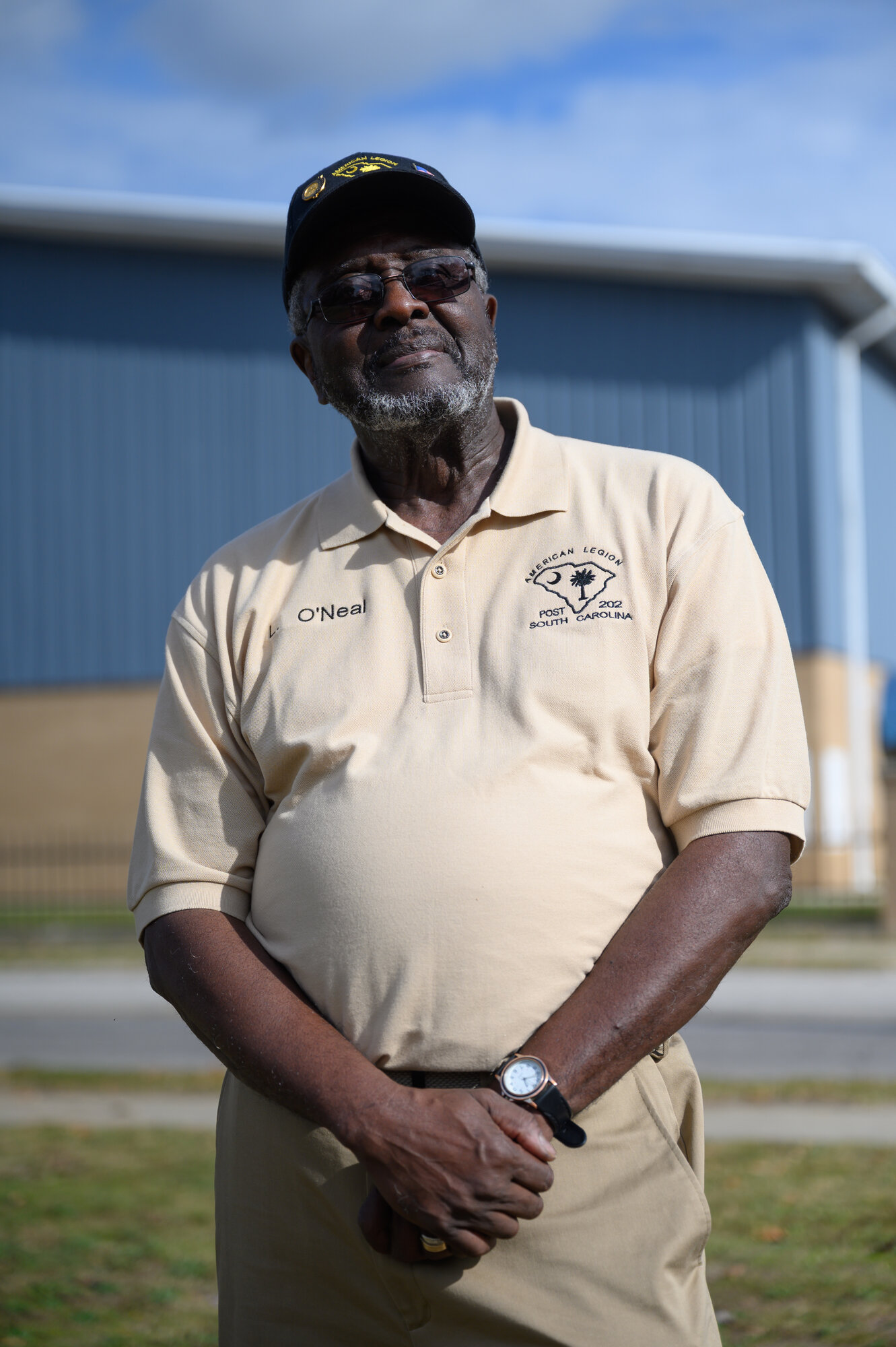
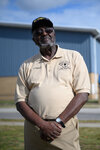
Gathering for the camaraderie brought the veterans to the Post, but the ability to lay down their burdens where there was no pressure to perform, no need to explain, no fear to be vulnerable kept them coming back. Even Lamon O'Neal, past Post commander, said the imprint of the older generation could still be felt in the Post when he settled down in Sumter in 1987. Though he was a transplant, their shared experiences made them not only comrades in battle, but also fostered genuine friendship that veterans need when it comes to their mental and physical health. In a world where many veterans suffer quietly, where the U.S. Department of Veteran Affairs' report of 22 veteran suicides a day in 2012 to 17 in 2022 is still one suicide too many, that fellowship can prevent them from falling into vices that only lead to their demise.
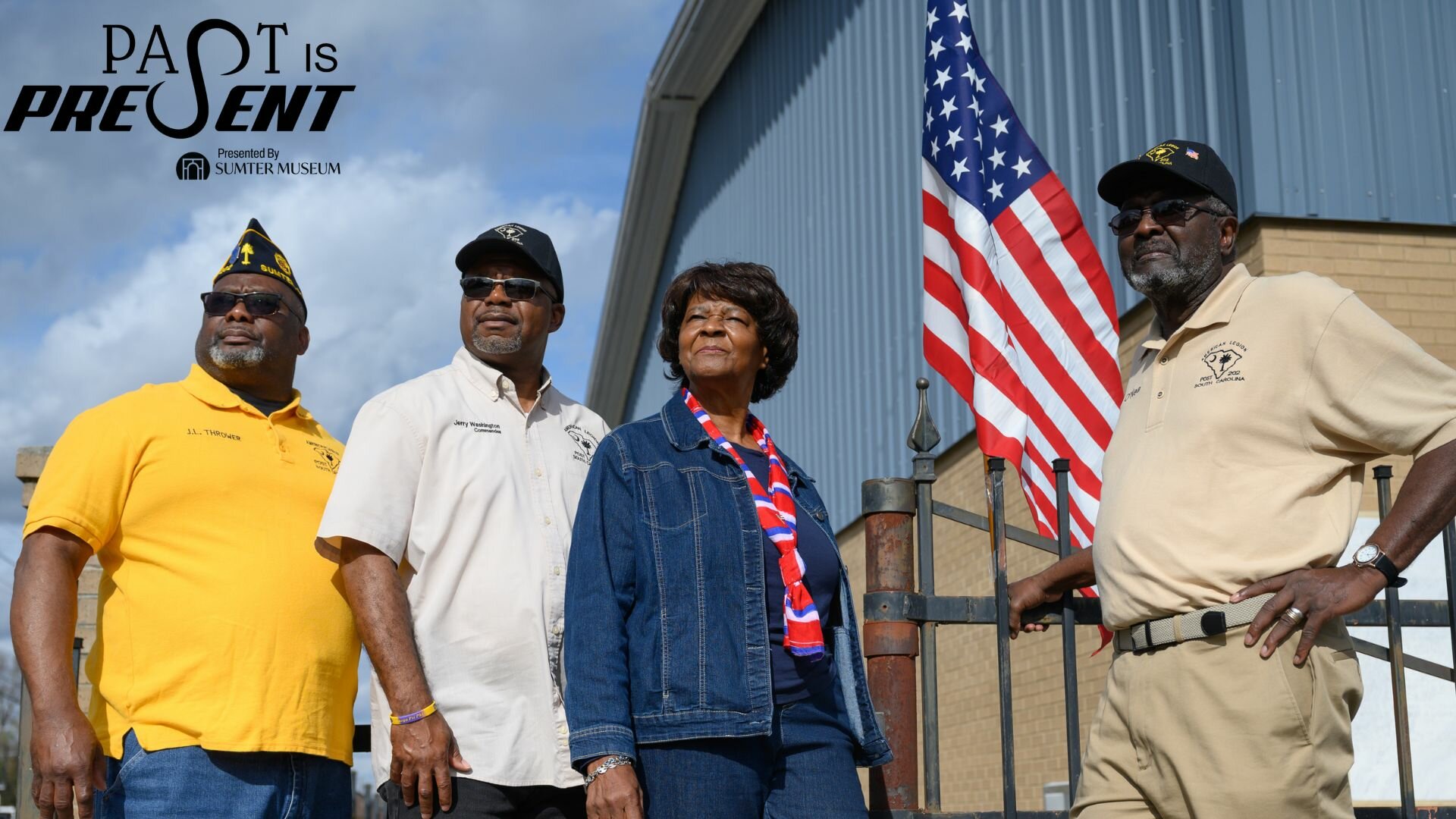
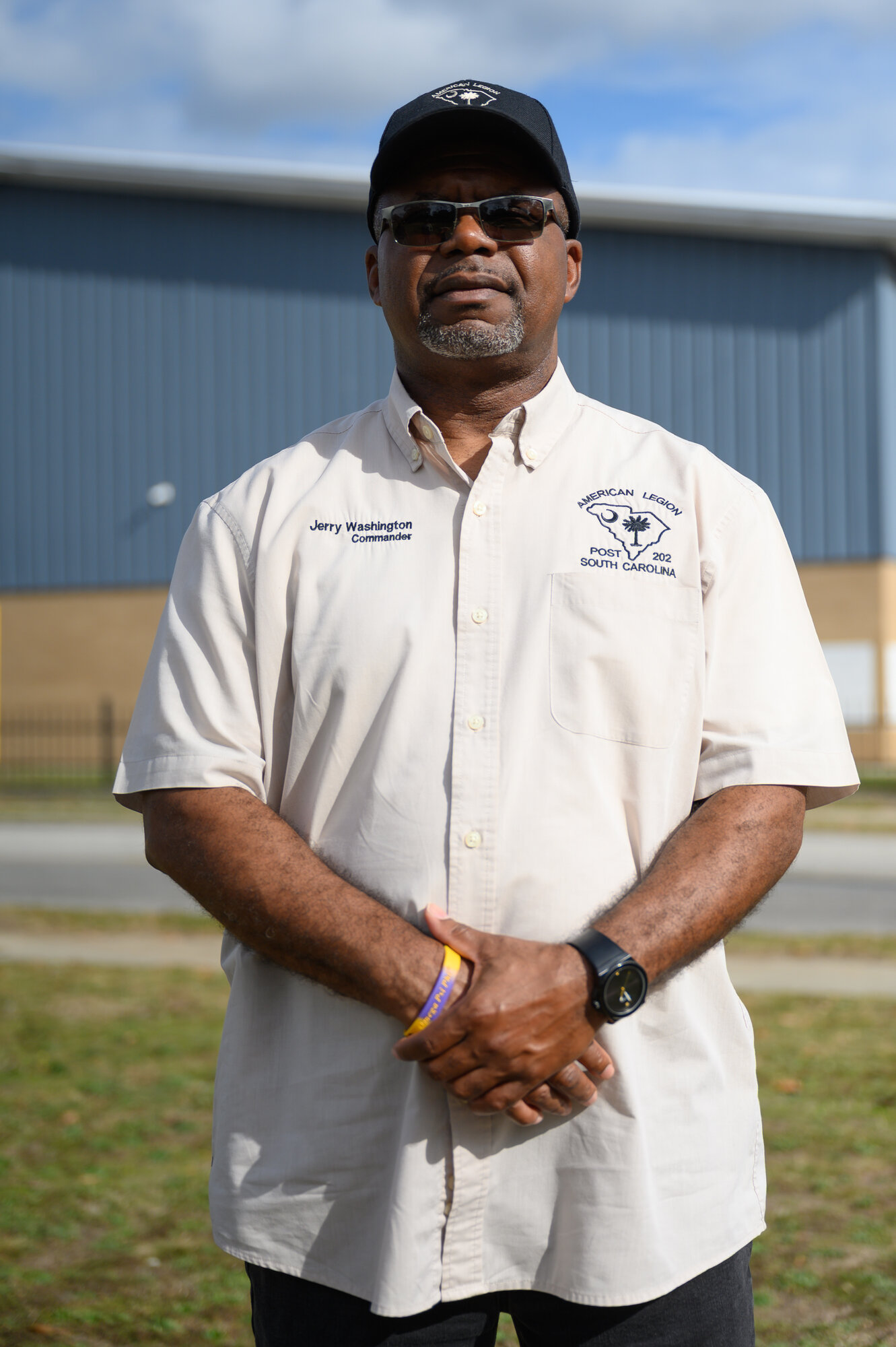
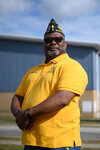
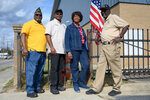
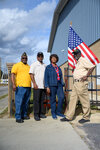
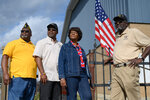
"It was essential to have a place where Black soldiers could go to get that support that they need coming back from the war [and] the trauma that war imposed on them," said Post 202 Commander Jerry Washington. "They needed an outlet, and Post 202 was that outlet. It's like a family atmosphere."
But behind that family atmosphere came a support system that many Post members agreed is the backbone of their longevity.
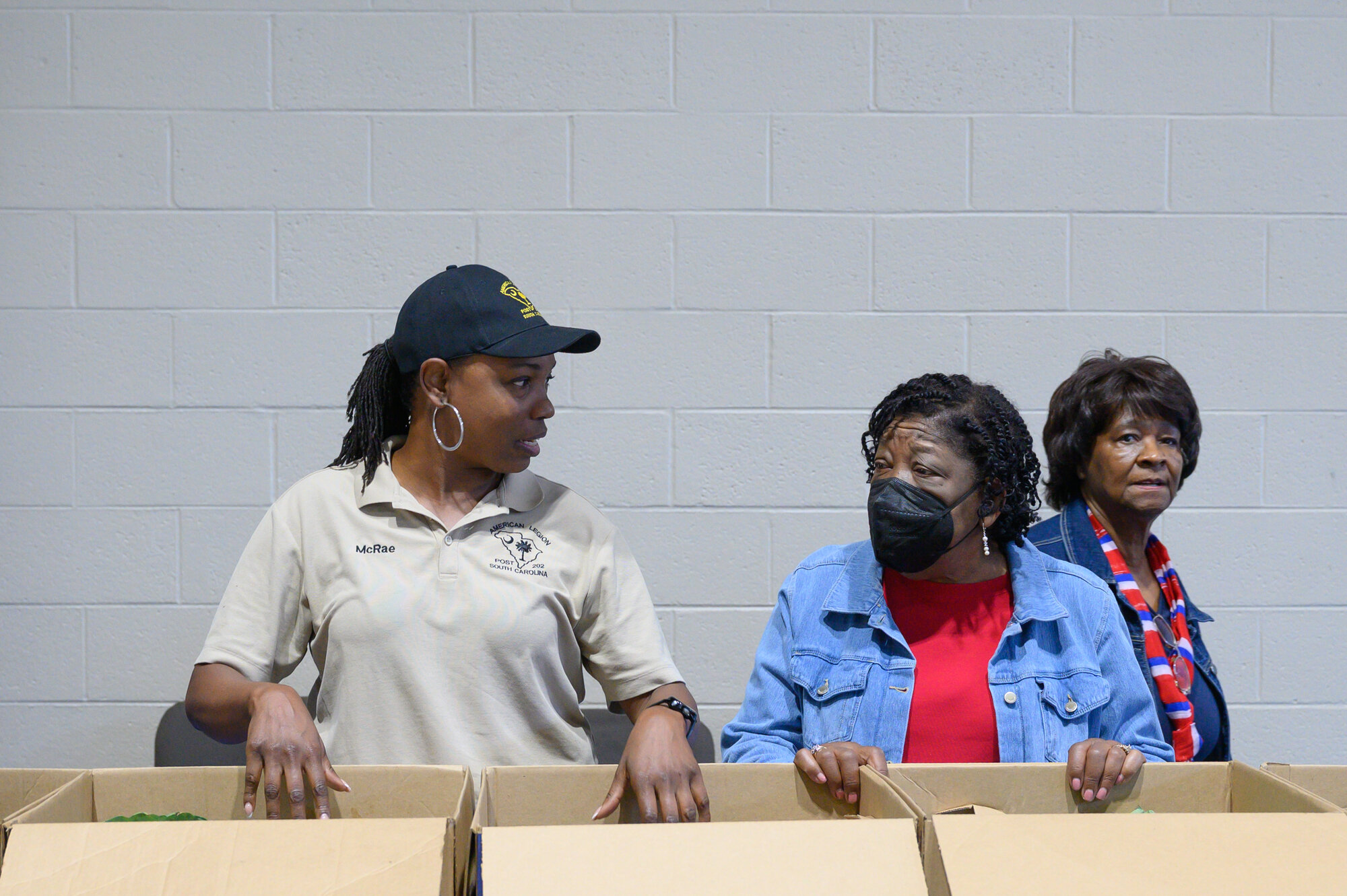
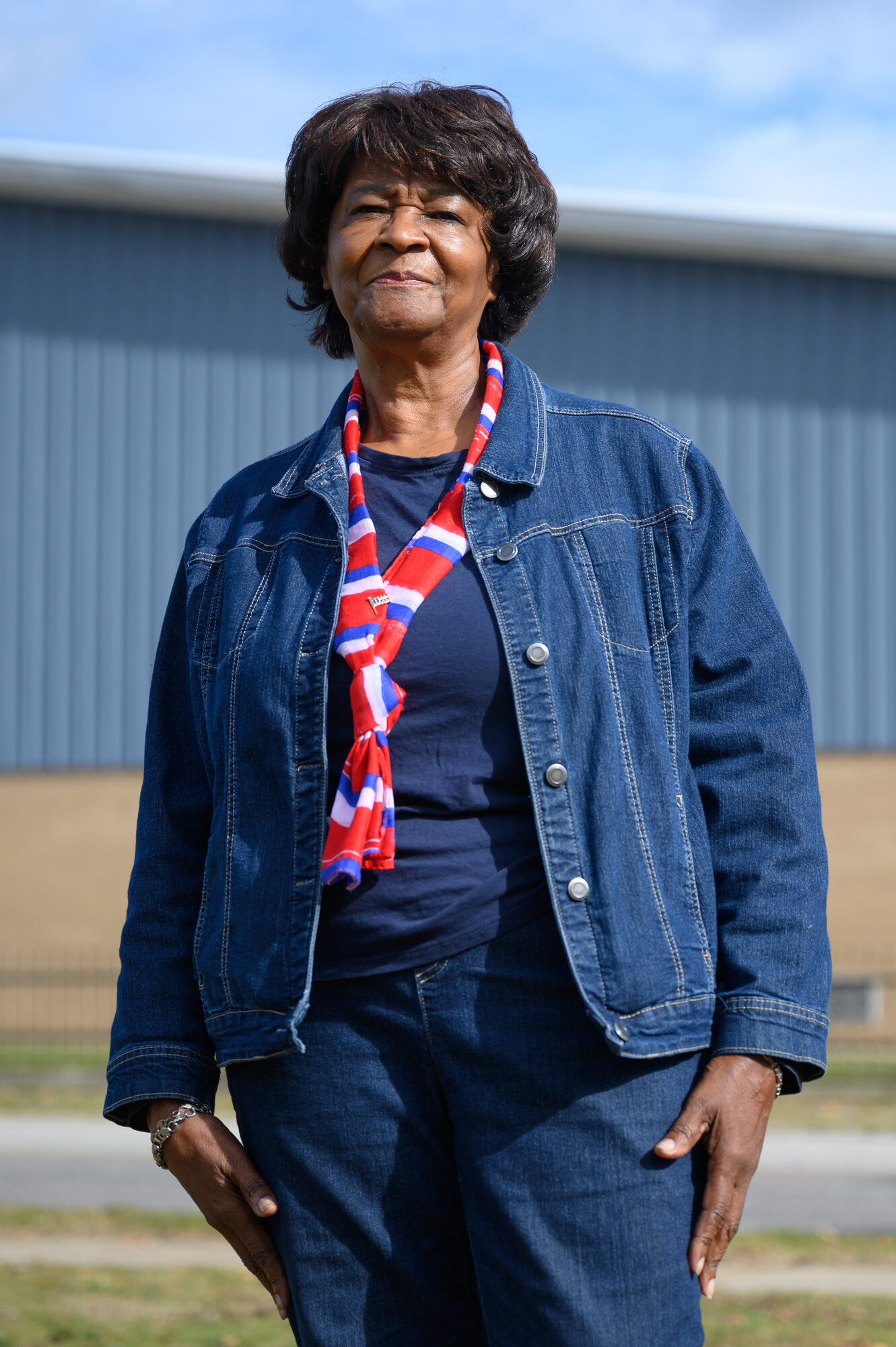
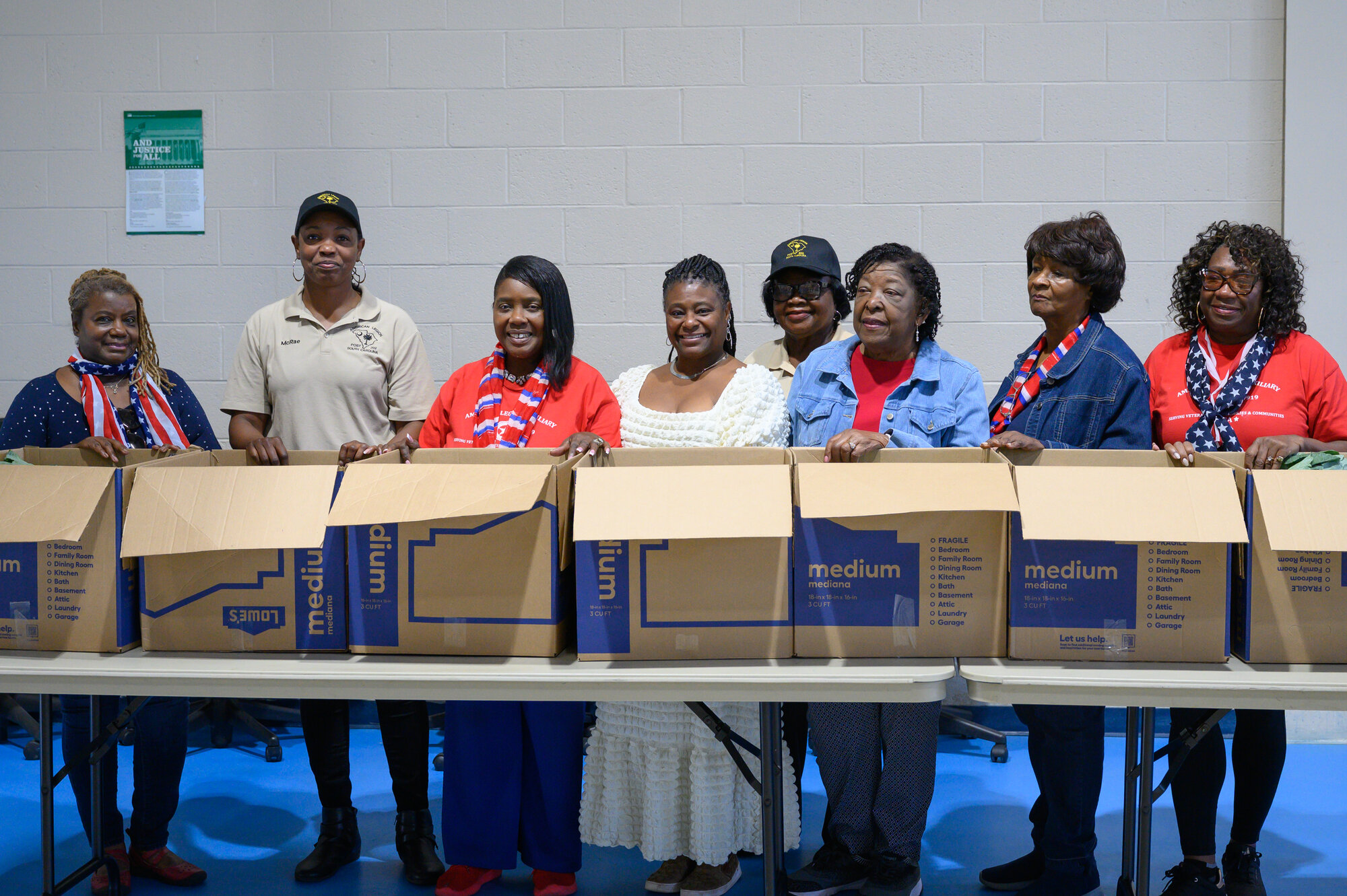
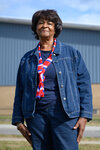
The Ladies Auxiliary of Post 202 is an organization of military wives, sisters and other female relatives or community members who support the Post through fundraising, volunteering and other social activities. Jessie Porcher, president of the auxiliary, detailed fundraisers, commanders' balls and various outreach efforts for military children that were hosted by the auxiliary on behalf of the Post.
But their greatest asset to the team came in the form of a listening ear.
Porcher remembered veterans who didn't have much family left, if any, would venture into the Post holding stories they needed to tell, sometimes the same ones again and again.
"It was like therapy for them," she explained. "We're supposed to be the backbone of the American Legion; we're supposed to back them. We're supposed to be there for them, and that's what we've been trying to do."
"A good, strong ladies auxiliary makes your job [as a commander] so easy," O'Neal expressed. "We're a team."
They're building on that team. In order to keep the Post and its history alive, the Post continues to generate membership, sticking within that 90-100 range - a number of whom are young people. For Washington and the Post's executive members, they're headed in the right direction when it comes to doing and continuing what they do best: serving.
"Veterans serve, in the military and out. That's what we are taught to do," Thrower Jr. explained. "The Post is just an extension of our military service. We serve the community."
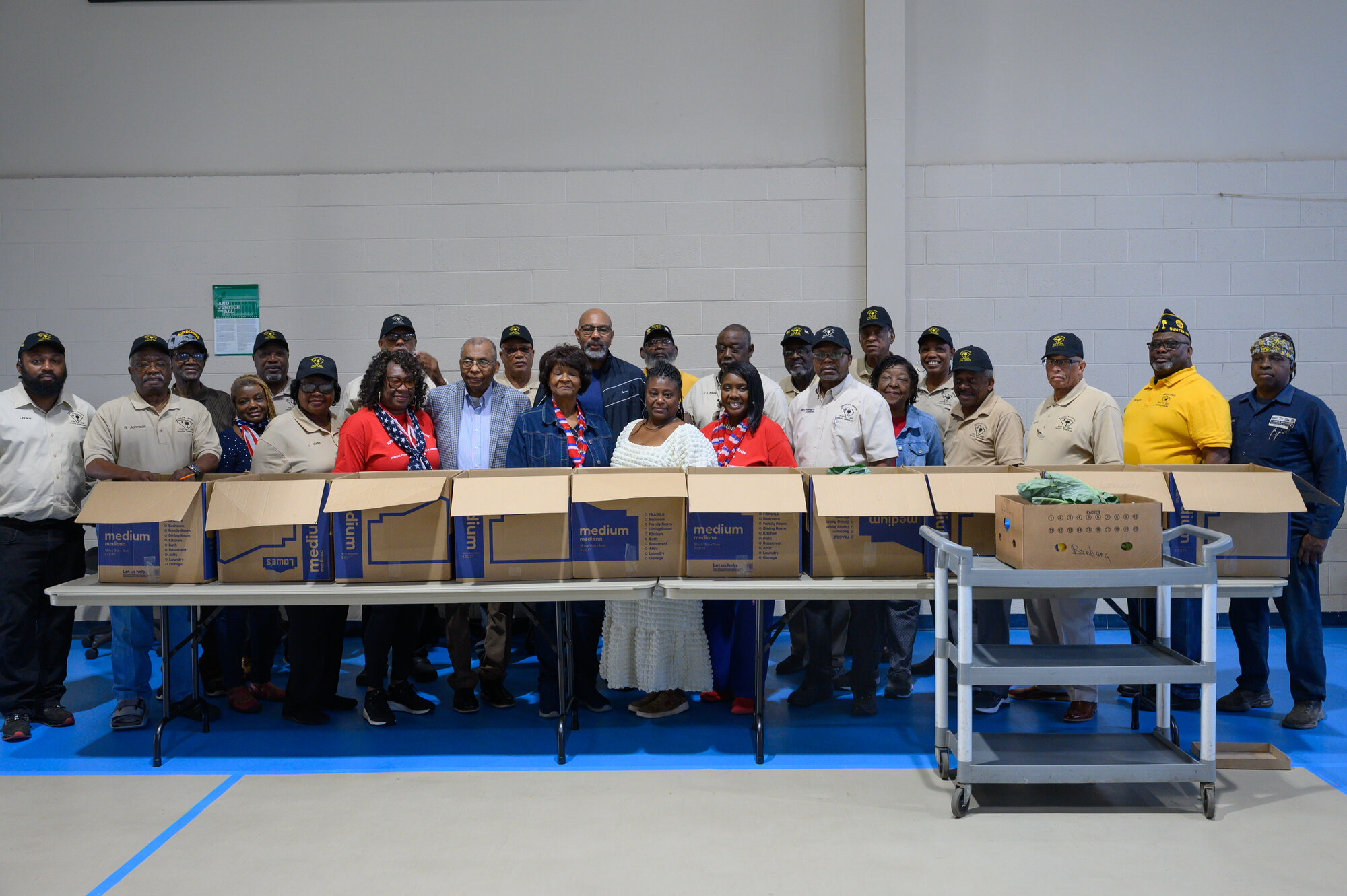
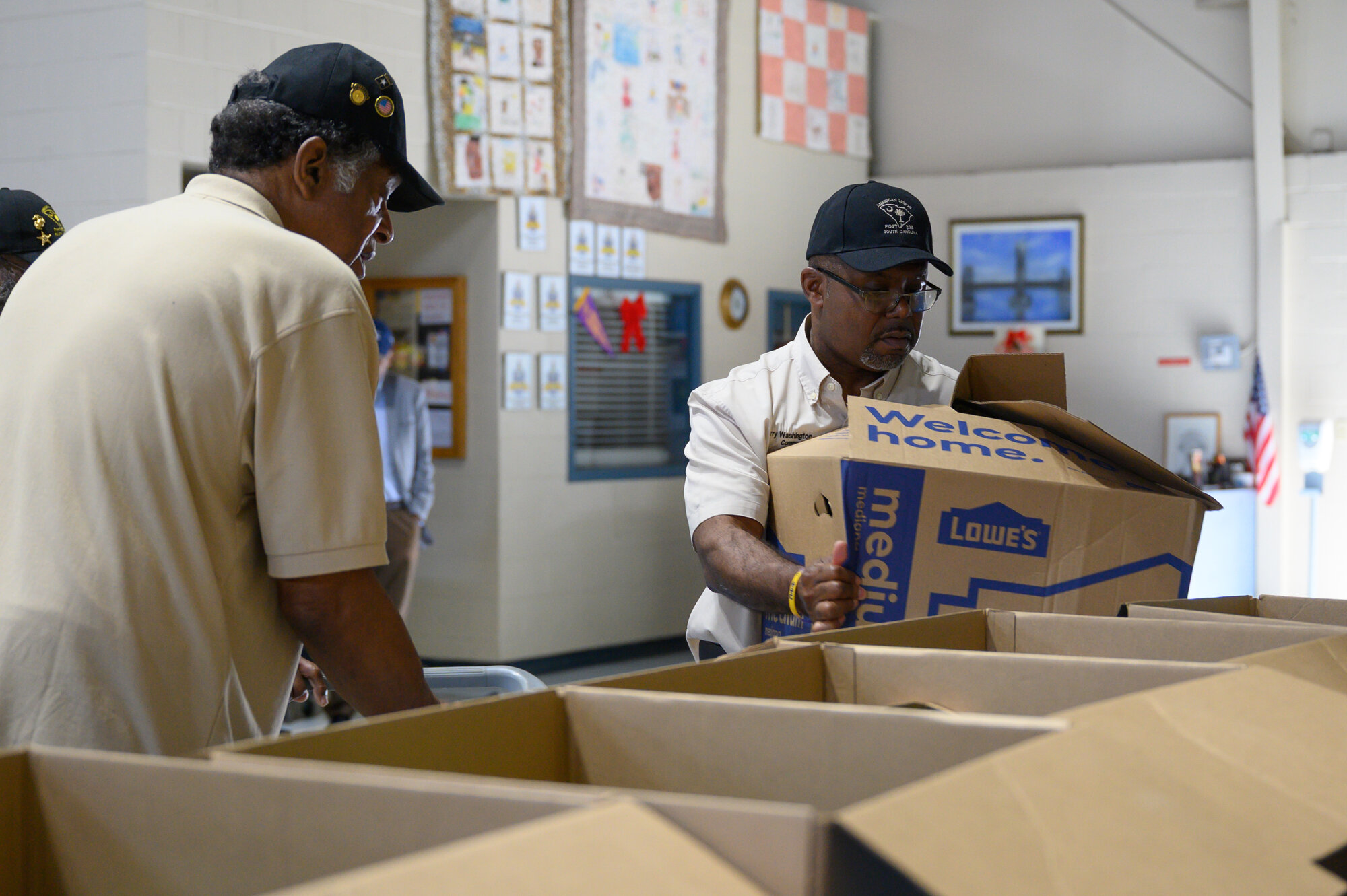
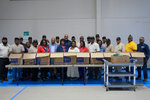
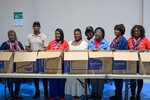
O'Neal, serving as current service officer, said that service comes in all forms, all to be a blessing to someone else. For their Thanksgiving food drive on Nov. 25, Post members intended to give away turkeys and holiday fixings to 25 families. Within the first hour, 41 families toted away boxes brimming with holiday staples.
"Back in the day, we used to have a saying, 'One for all and all for one,'" O'Neal shared. "Today, it was all for one, and I am very grateful that we had success with this program."
"The community has supported us. They come out to our events, they support, and we're able to do these things like this right here," Washington added, gesturing to the table of donations. "Now, it's time for us to give back. Times are hard right now, especially financially. Anything we can do to help relieve some of that stress during the holidays, this is part of what we're doing."
Beyond the Thanksgiving holiday, the Post's service to the community also extends to youth across the county, from sending local students to Boys State and Girls State as well as participation through the legion's oratorical contest. The impact of this is rewarding for both the Post and the pupils for different reasons.
Porcher recalled a student who was too nervous to attend Girls State, unsure of whether she belonged in a room of future leaders. After encouragement from Porcher, the young girl returned from the week-long leadership and citizenship program where they learned about the political process by running for office, campaigning and holding elections to create mock city, county and state governments and enthusiastically informed Porcher that in their mock election, she was elected secretary.
It's that impact, that ability to leave a comrade, a community member and future mover and shaker better than how you found them that Post 202 has built its legacy on. And, according to Washington, it would be a disservice to what their founders endured, to what they sacrificed, to not continue it.
"Our forefathers sacrificed and established this post; it's our duty as the officers and members of this post to keep this post active and keep it going," he expressed.
"Say that again," Thrower Jr. encouraged as his head nodded and his smile grew. "We truly stand on the shoulders of our ancestors. They made a great sacrifice; again, it's why we exist, because of segregation."
"We're going to continue to [serve], and whoever comes along after me, that's going to be their task to keep it going," Washington said.
And maybe that's the true legacy of Post 202. To not only honor what was built, but also continue to build upon it. To continue building upon a place where veterans can be safe after years of being misunderstood. A place where young people are encouraged to be fearless in the midst of their anxiety. A place where community support is as highly regarded as community service.
Post 202 was built out of necessity and continues today out of responsibility. And as long as it stands, its history will remain man-made, crafted by the hands of those who refuse to let their story end here.