
Past is Present, presented by Sumter Museum: Rev. James Blassingame answers call to go from Seneca's farm fields to Sumter's pulpit
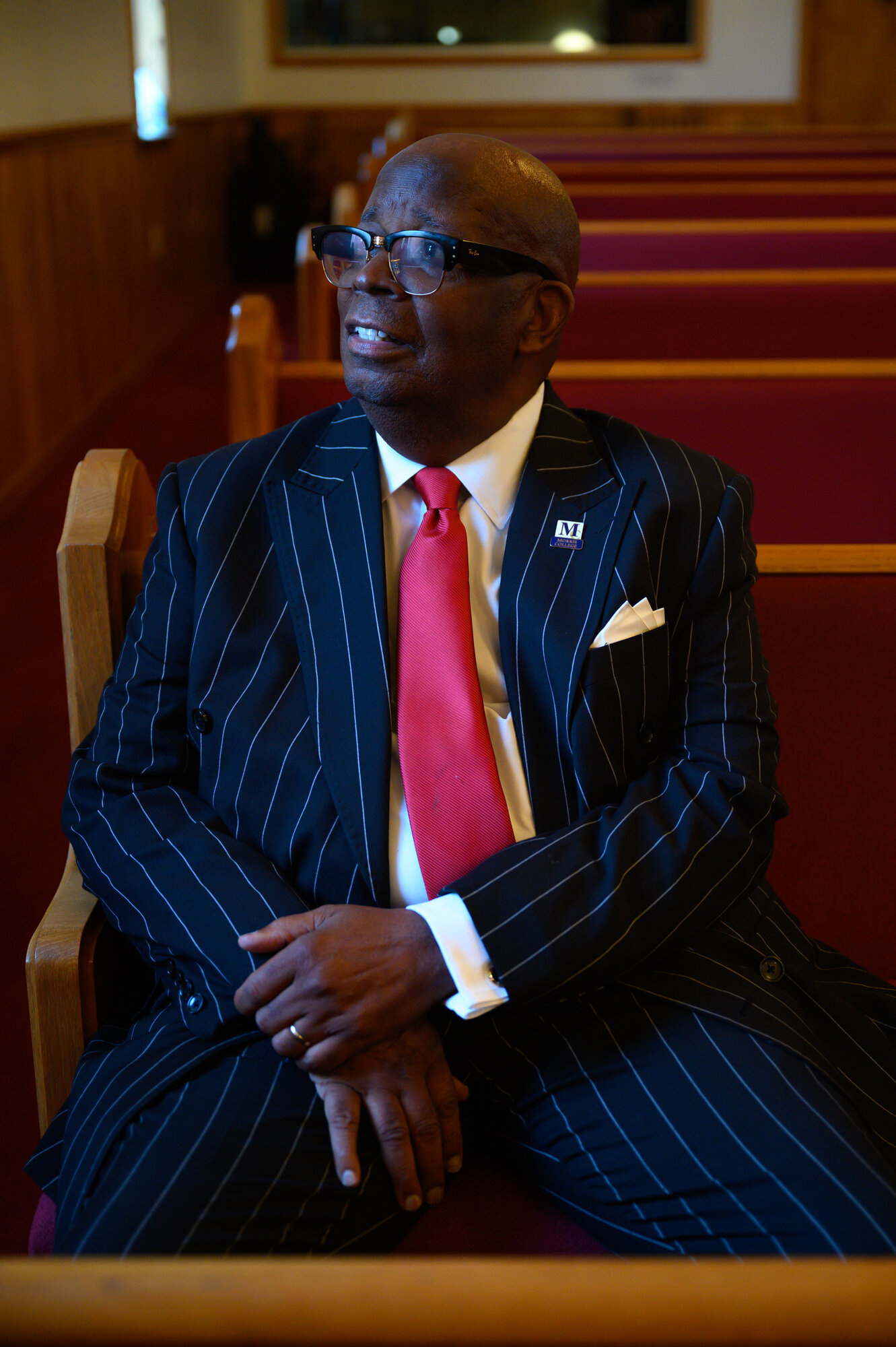
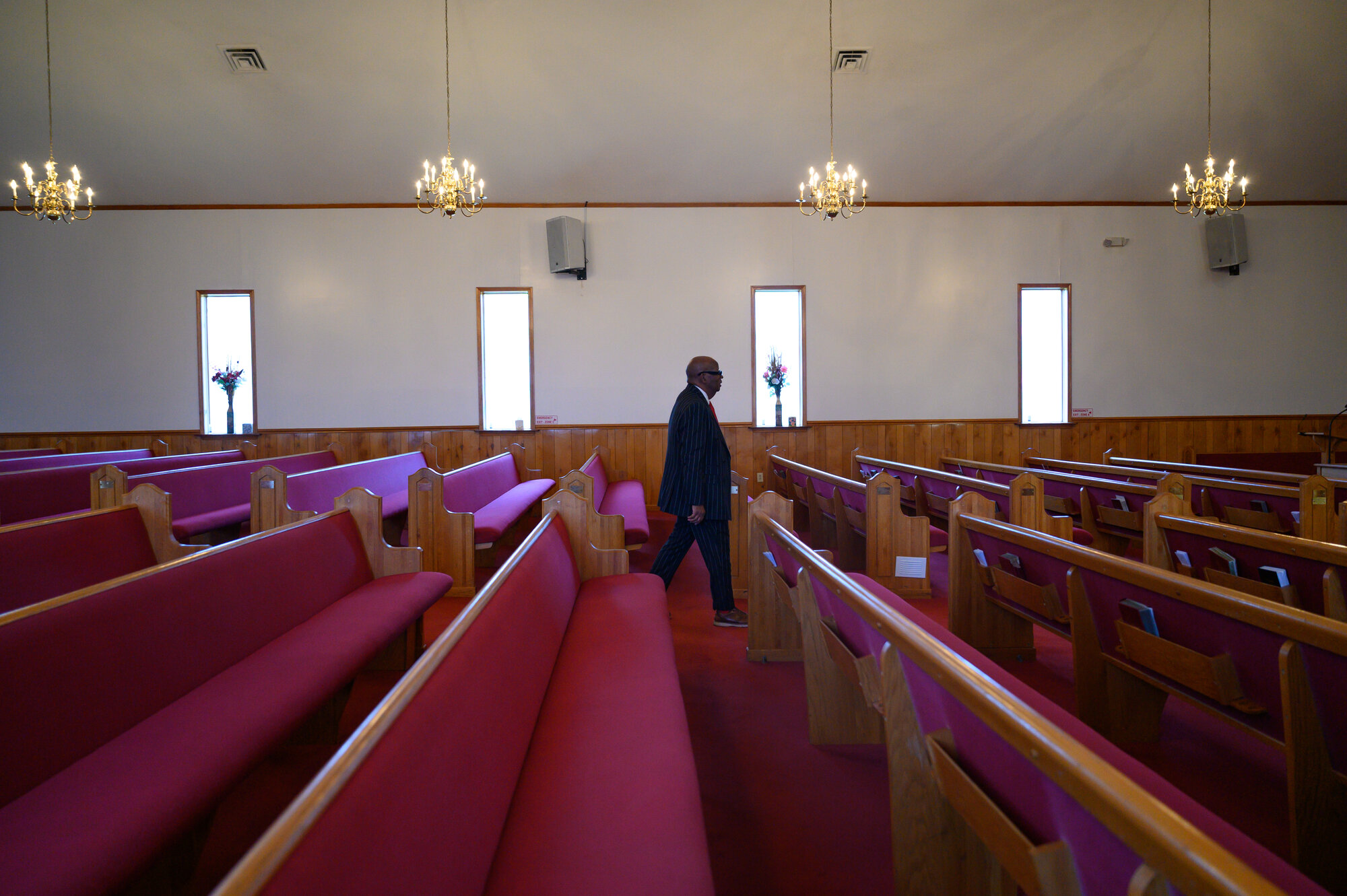
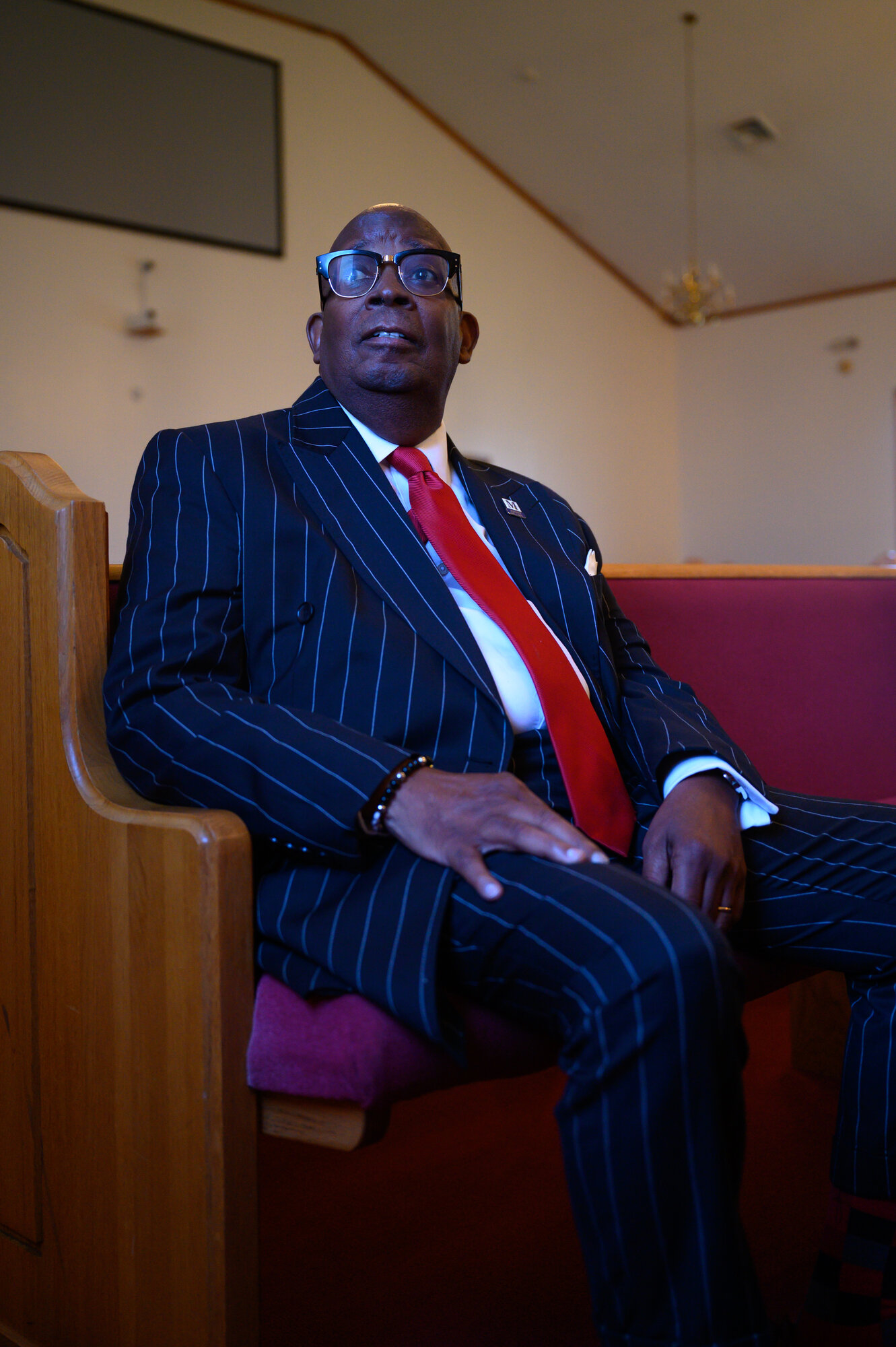
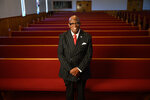
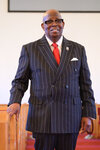
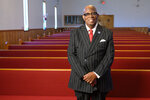
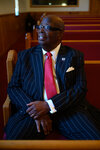
Most callings don't arrive in the moments when we feel most confident. They come when we're uncertain, unprepared and even unwilling. It's often an afterthought that this nudge from our comfort zone is for the betterment of others and the development of ourselves.
For James Blassingame, that nudge came in the middle of an eighth-grade social studies class in Seneca, South Carolina. The late Rev. R.H. Mitchell uttered words to a young Blassingame that, though shocking in the moment, would later be a bookmark for his blessing.
"You're going to be a preacher."
At the time, Blassingame wanted no such thing. His schedule consisted of sports or working shifts at the cotton mill - not sitting in a pew.
But years later, that early prophecy made sense. Stepping into ministry required him to leave behind what was comfortable, and in doing so, he found not only his purpose, but also a way to lift up generations of others.
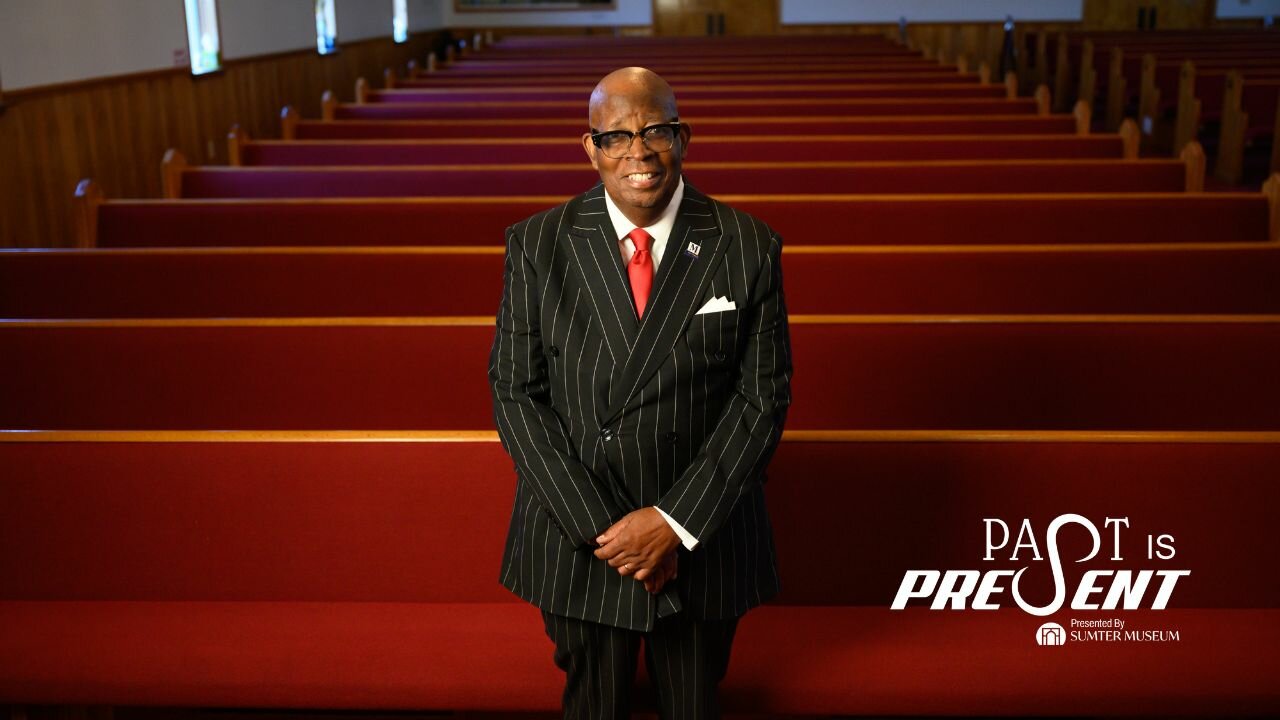
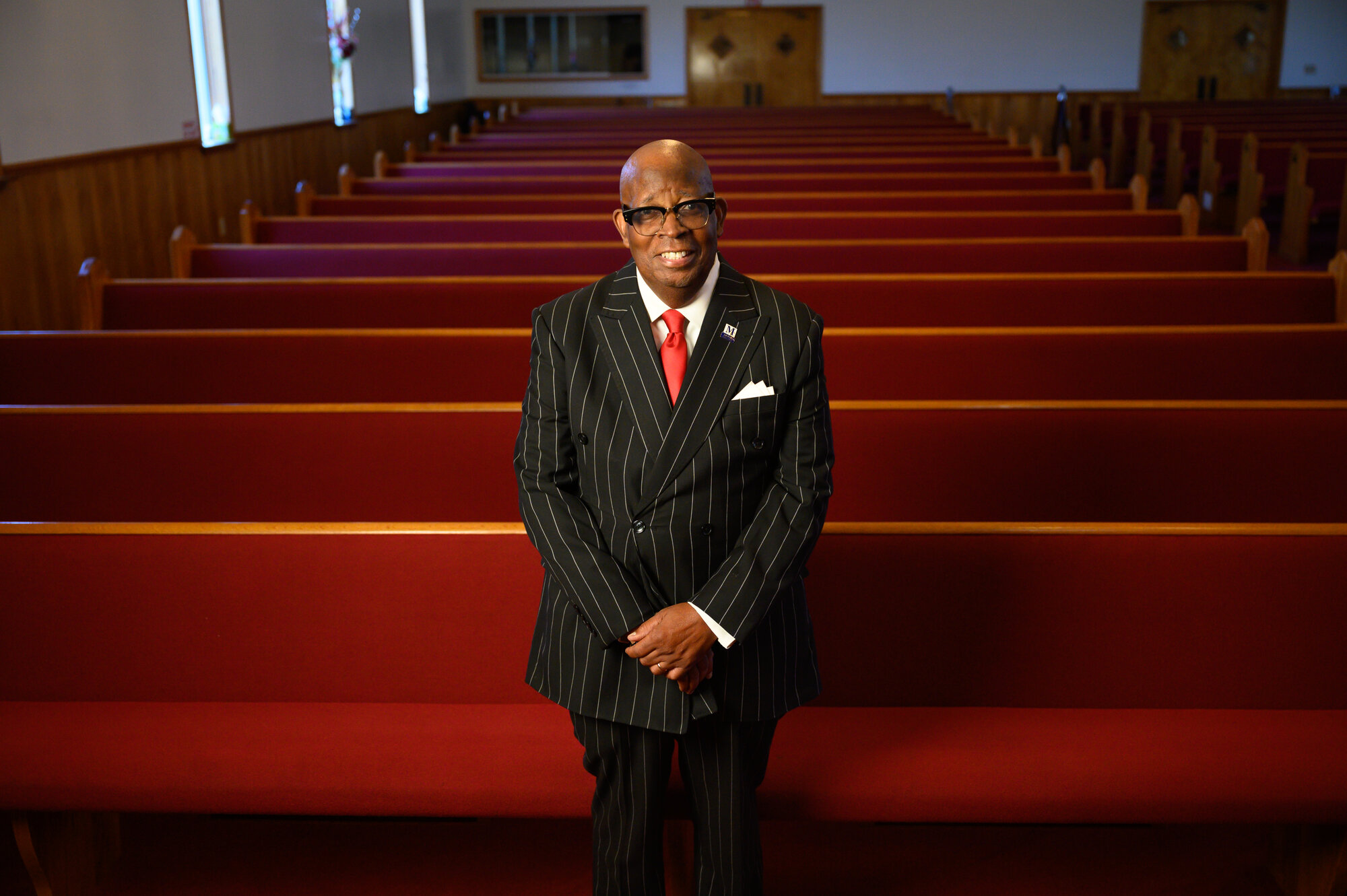
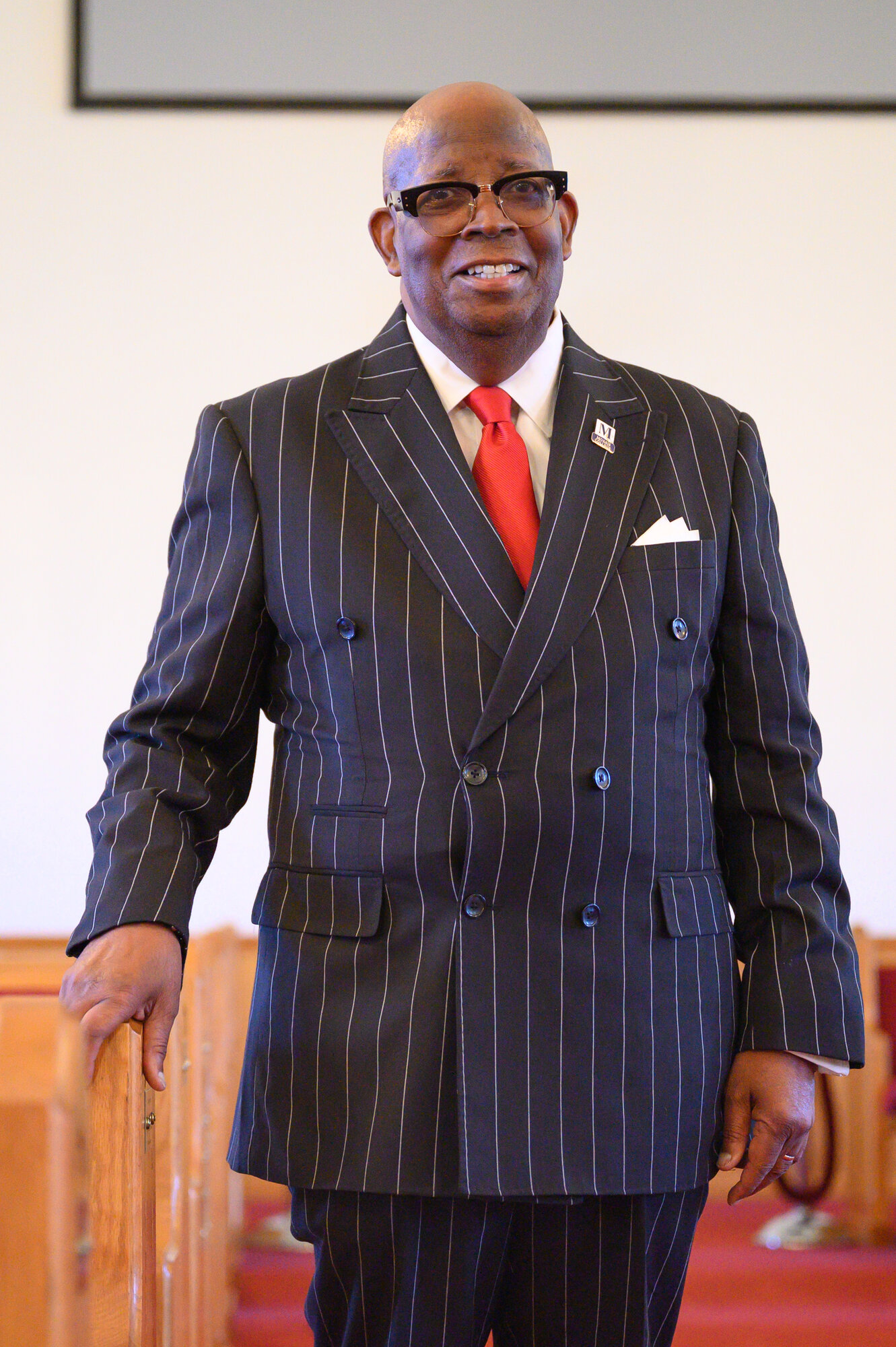
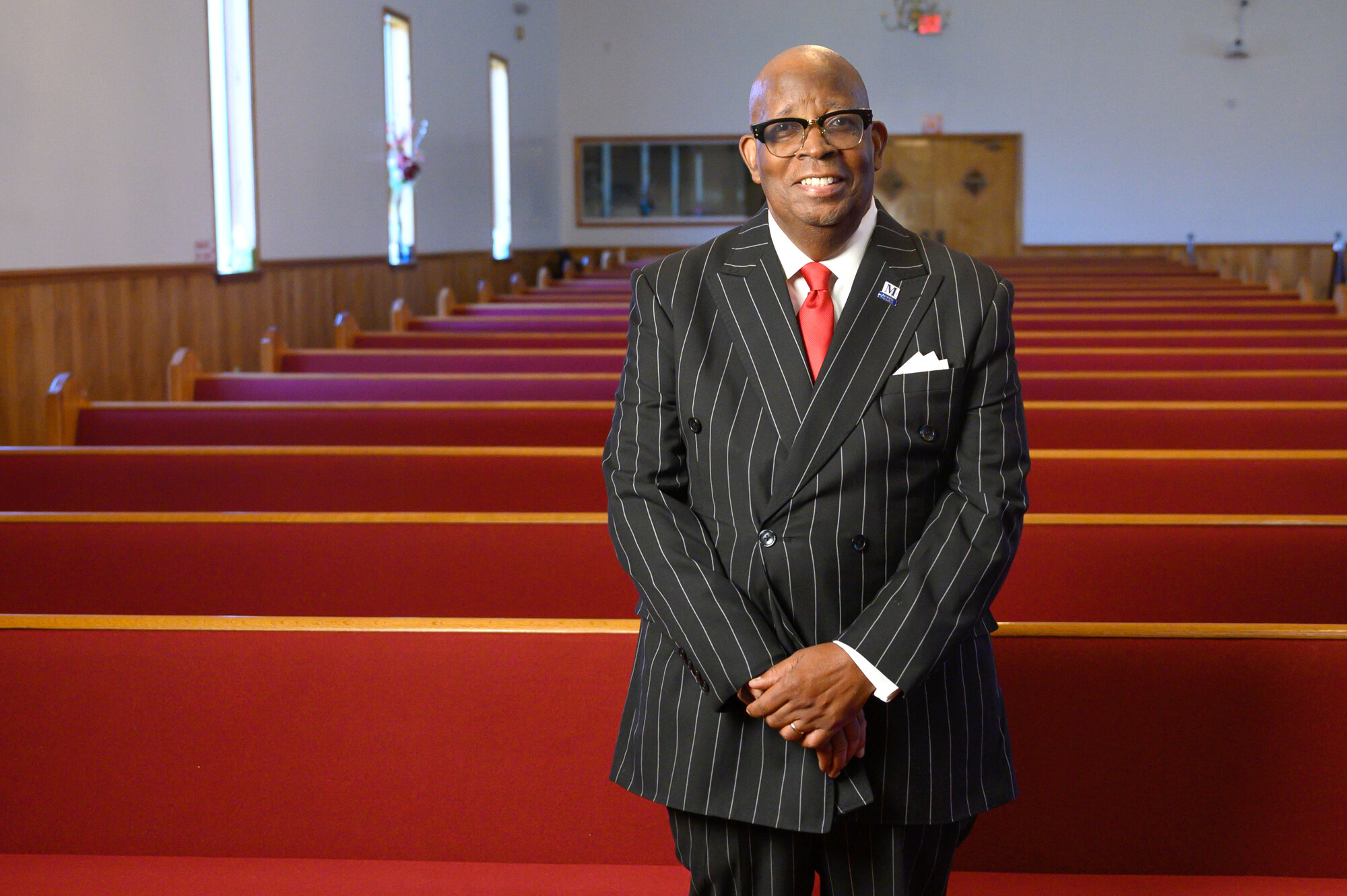
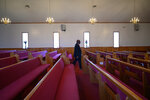
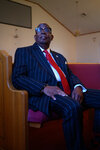
Now age 73 and in his 41st year as pastor at Mt. Zion Missionary Baptist Church in Sumter, Blassingame has embodied that truth. His life is a testament that growth, service and history are often written when we answer the call to go where we least expect.
To understand how far that calling would take him, one has to travel back to where he's been.
Situated in Oconee County, Seneca was founded as a railroad town in 1873 and developed as a marketing and shipping port for cotton. From its inception, Seneca was established as "a diverse community atypical of rural life in the Deep South."
Blassingame's childhood looked nothing like the polished halls of a church or the wood-paneled chambers of a city council where he would one day serve. He was a country boy, raised on a farm without running water, and spent mornings to afternoons chasing after pigs and goats. He was hands-on in helping his parents, shouldering jobs at the cotton mill, grocery stores and service stations to keep the household running. Religion wasn't a big part of his upbringing. You wouldn't find him sitting in the pews every Sunday. Rather, you could spot him as manager for his school's football and basketball team or doing the dash during track season.
College, let alone ministry, was not part of his plans. But it was a part of God's.
"'You have the anointing,'" Blassingame recalled Mitchell's words to him. "The calling was there. I just didn't recognize the calling. Other family members saw it; all the churches saw it."
The words of Mitchell haunted him quietly. Though still questioning the call, he reasoned that he wouldn't answer it until God wanted him to. The answer would come in the form of an acceptance letter to Morris College in Sumter - nearly 200 miles away from Seneca.
Once again, Blassingame would be nudged into his purpose of being a college-educated man - the first in his family, as neither of his parents completed school. After graduating from Seneca High School in 1970 and serving two years in the United States Army, he would leave Seneca in 1978, his sights set on Sumter and the words of his parents carrying him down the dirt road to his destiny.
"'Don't forget where you came from,'" he recalled.
Blassingame arrived on Morris' campus with expectations, not only for himself, but also for the historically Black college. His mentor assured him that his age wouldn't leave him limited but limitless, and there would be ample support to keep him upright.
"Obviously I was a little rusty behind the ears being out of high school eight years and trying to go to college. [My mentor] said Morris would be a good fit for you because you get individualized attention, they would meet you where you are, and I found that to be true," he expressed. "Teachers bent over backwards to help me because I needed it. Ironically, my math teacher is one of my parishioners here at Mt. Zion."
Upon graduation, the late Dr. Luns C. Richardson, the longest-serving president at the college, hired Blassingame as a DA director before he was named director of church relations, a position he's held since; he recently took a leave of absence to complete his doctor of ministry degree.
Richardson would be one of the many mentors Blassingame would have on his journey through adulthood. Richardson led by example, one Blassingame and many students who traveled from towns away followed to join a church in the community. Blassingame joined First Baptist Church while Richardson was a native of Mt. Zion.
Word would soon travel to Blassingame and his ability to bring a congregation to their feet on any given Sunday. As a young man in his 30s, he would minister at several churches, spreading the gospel and walking the path God lined with a purpose for him. He walked it diligently, right into becoming the 13th pastor of Mt. Zion in 1984.
After separating from Shiloh Baptist Church, Mt. Zion was established in 1893. The first Sunday School was held in the Sumter County courthouse with a membership of 10. With no permanent pastor during this time, different ministers were called to serve from time to time. Services were held in the courthouse for three years before the church moved to the Investment Hall on West Liberty Street and its first pastor, the late Rev. Simon Taylor, was called.
The church would be housed in Sumter's historically Black high school, Lincoln High School, for 10 years before they purchased and remodeled the two-room building next door for its church. The church would withstand trials, tribulations, teardowns and rebuilds before erecting its brick structure at 325 W. Fulton St. Members of its congregation included the late J. Philip Rembert, the first Black person to be elected to Sumter County Council and a Tuskegee Airman, and civil rights activist J.T. "Nooker" McCain.
There is a significant connection between Mt. Zion and Morris College. Of its 13 pastors, two served as president of Morris College - the late Dr. J.P. Garrick and the late Dr. J.J. Stark - and another two as the college's church relations officer - the late R.W. Stallings and Blassingame. More interesting, of the church's 132 years in existence, Garrick's 26 years as pastor, Stallings' 37 years and Blassingame's 41 years total 104 years.
According to Blassingame, it is not rare for Baptist pastors to serve tenures that span decades, as it is a congregational church, meaning the congregation votes on the pastor; the standard tenure for pastors in other denominational churches is four years. That fact is not lost on Blassingame.
"I've had the privilege and honor to conduct weddings for married couples [who] I've baptized their children and now, I'm marrying them or marrying the grandchildren, those kinds of things," he shared. "Really, there are some parishioners in the church, I'm the only pastor they've known."
As their pastor, Blassingame has seen the church through glorious highs and devastating lows, from the destruction brought by Hurricane Hugo in 1989 and the uncertainty of a global pandemic in 2020 to celebrating paying off the church's 20-year mortgage in nine years and being a source of solace during the civil unrest following the killing of George Floyd. That longevity is the making of a legacy, one that Blassingame said is less about notoriety and more so being in the know about the people's needs.
"As a pastor, it's important to be a voice for the voiceless. The pastor is that instrument but also should go beyond the pulpit," he explained. "I think a pastor should be involved, and I'm not saying you got to be on city council, be a state representative or a state senator. You have to have your pulse on the people."
Being a pastor has opened many doors for the small country boy from Seneca. He's ingrained himself into a community that prides itself on connection, serving as mayor pro tempore on Sumter City Council since 2023, serving on city council since 2020 and as president of the South Carolina Baptist Convention for five years as well as on Morris College's Board of Trustees and other local positions.
Despite his titles, influence and admiration, for Blassingame, his journey has been a blessed one.
"It's a privilege, and I want people to know that I tried to do my best. I tried to represent Him, to represent God," he expressed, pointing upward. "I try to represent the people. And I'd like to think that I had good home training - a country boy from Seneca."
"I've been blessed. I really have been blessed," he said.
The lesson of Blassingame's story is not only about faith and how far it will take you, but also about how you respond to where it places you. Our past, with its struggles, surprises and subtle nudges, is often the precursor to a present we cannot yet imagine. The question is whether we will answer when the call comes, even if it leads us beyond what feels familiar.
For Blassingame, the answer has been yes. And in that yes, a community has found a shepherd, a college has found a partner and history a reminder that callings are rarely convenient but always transformative.