
Past is Present, presented by Sumter Museum: Rembert's 521 All-Stars on going from dust to diamond, keeping the legacy alive
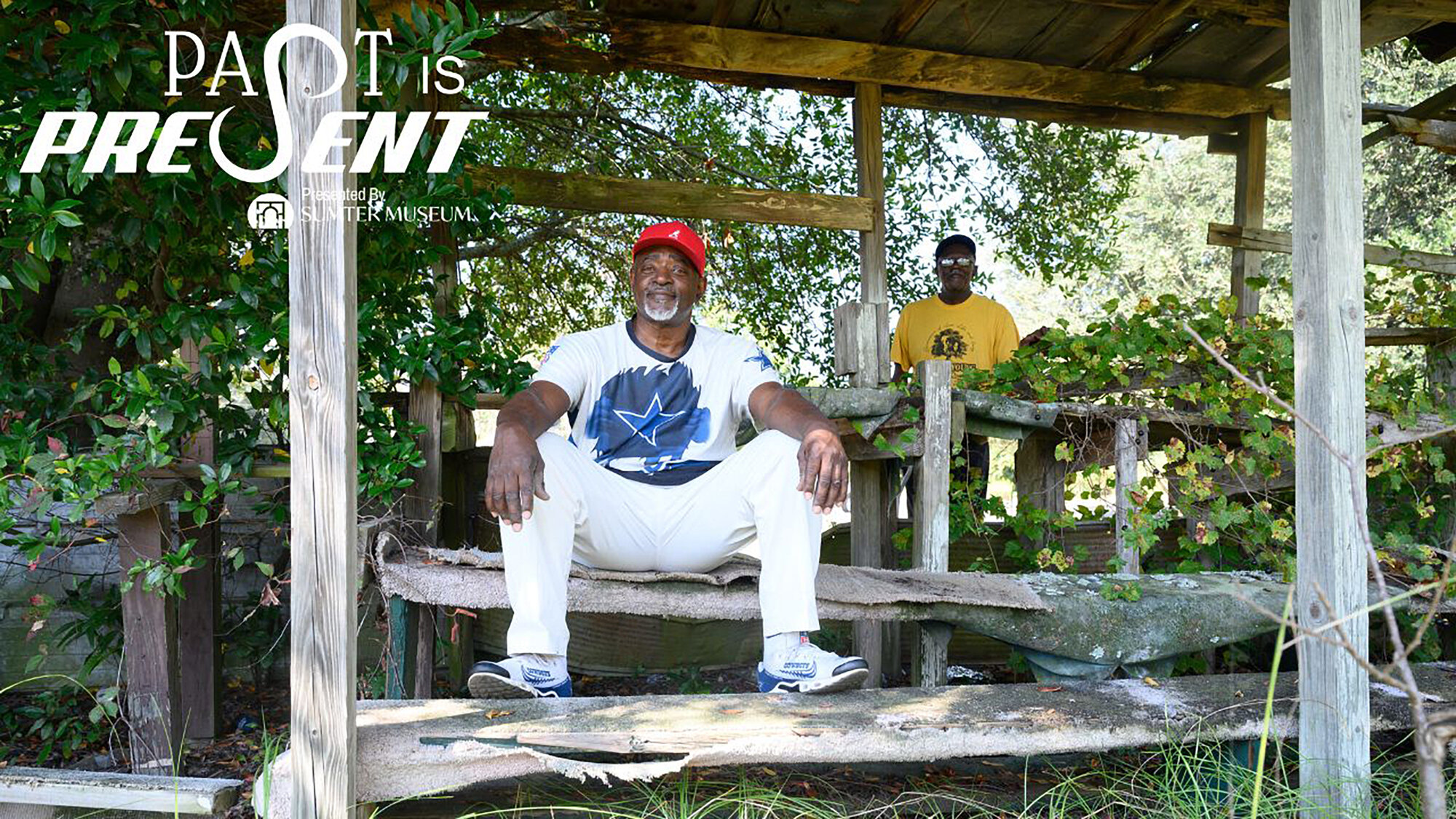
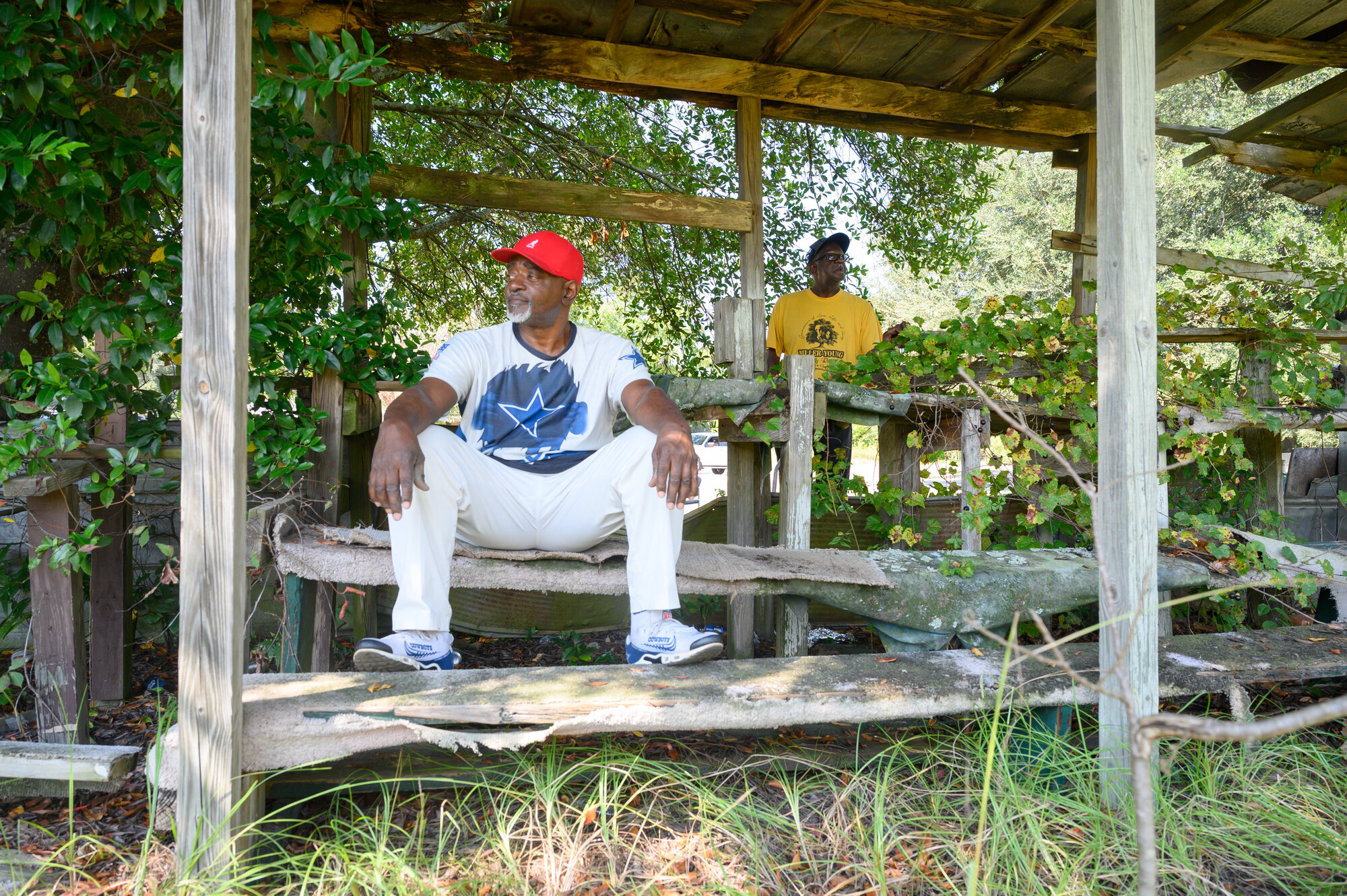




The song of the cicadas on a sunny morning. The bend of the tall grass as it crunches underfoot. The creak of wooden benches built by hand and branded with memories.
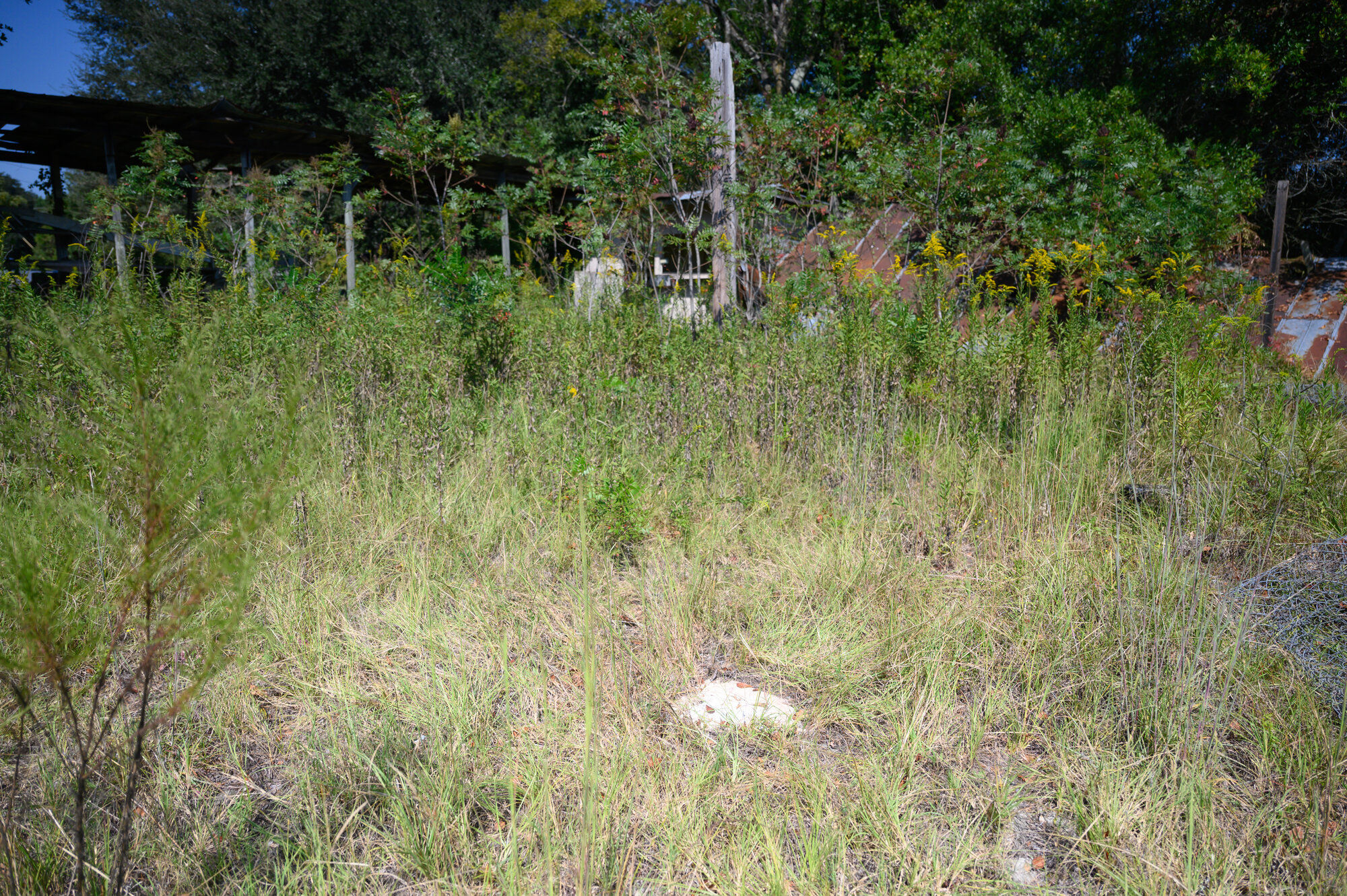
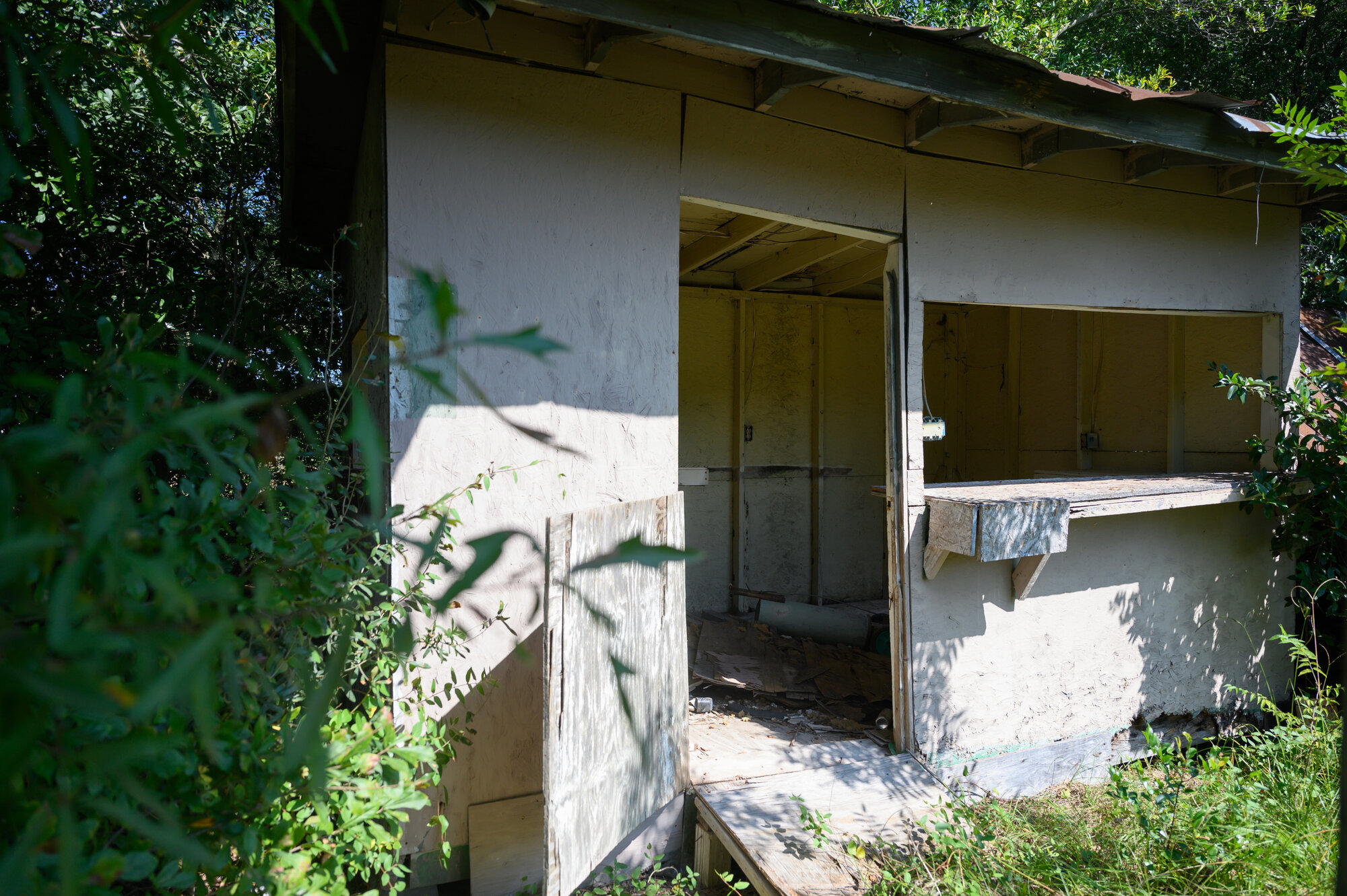
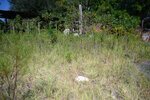
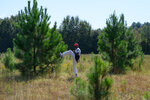
Just off the right-hand side of U.S. 521 in Rembert, nestled behind a quaint country store at 7975 Camden Highway, sits a quiet field, weathered but still standing. Today, to the unknowing eye, it looks like any field in the rural South. But decades ago, this was the heartbeat of a community. It was the home of the 521 All-Stars.
On game days in the 1980s, the land swelled with life. Cars packed into the makeshift lot. Families piled on to the handmade bleachers while children pressed to the fences for a look at their hometown celebrities. The cheers rolled in waves, loud enough to shake the dust from the trees. Neighbors, cousins, strangers who had heard by word of mouth; they traveled from near and far to see a local team of homegrown legends.
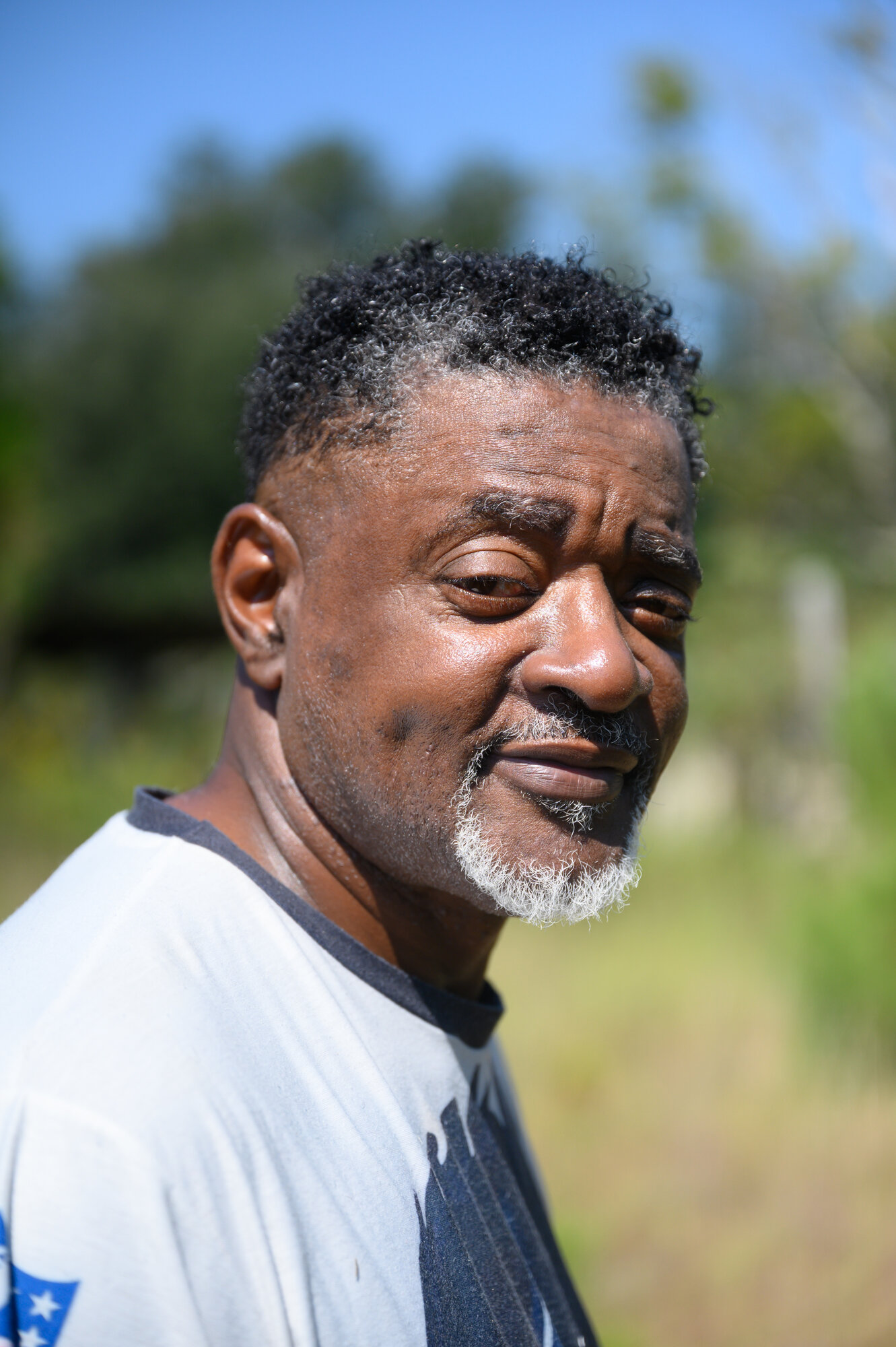
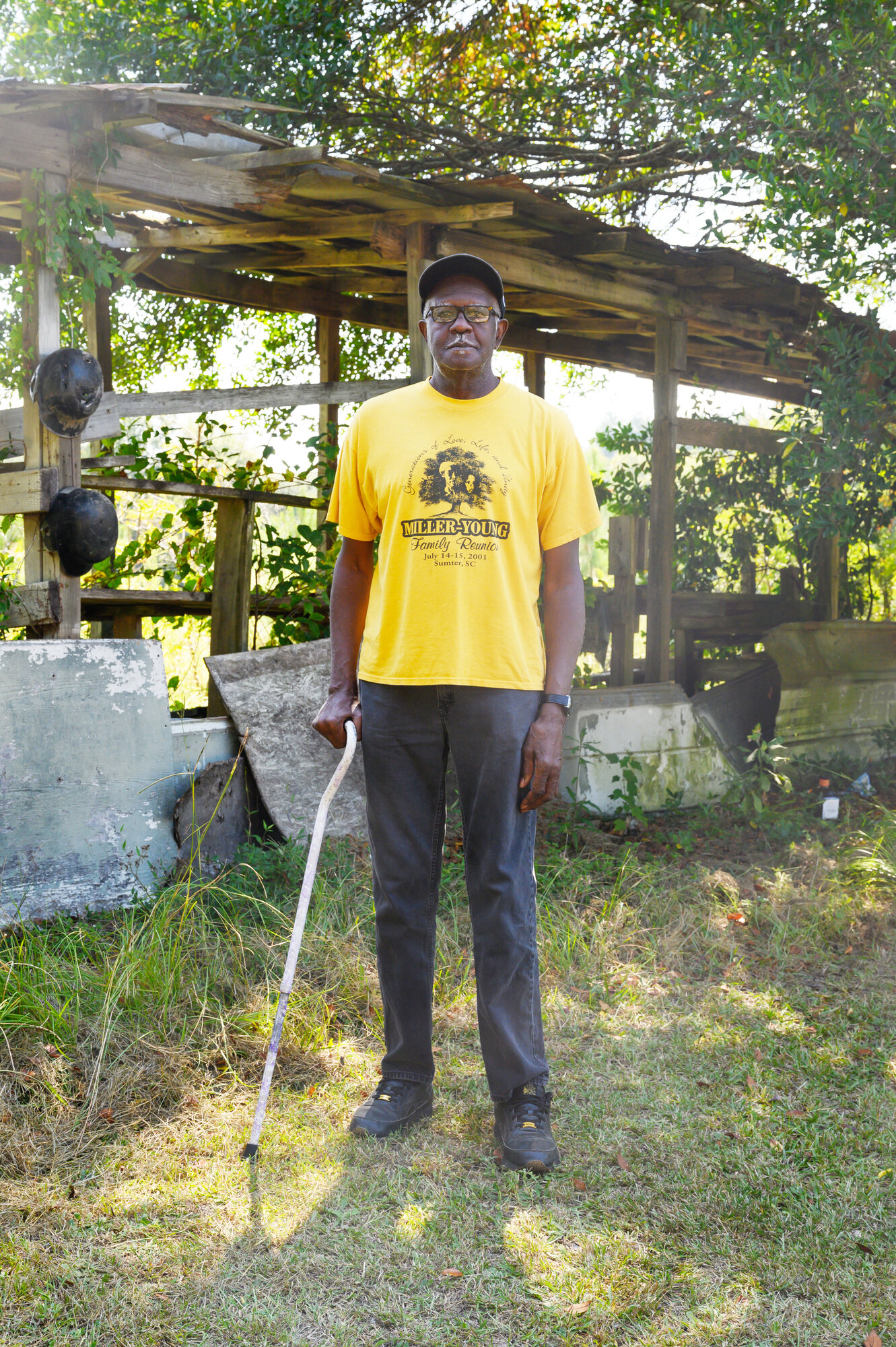
But for Leroy Dennis, 73, the team's beginnings were as unassuming as the store he purchased along 521. Four fellows - Tommy English, Hampton Gardner, Wesley Gardner and Anthony Dennis - were fresh off playing for another team when they approached Leroy with a proposition: turn the field behind his country store into a baseball field.
The proposition wasn't spontaneous. English, 63, had a history with the store, one that dated back to his grandfather who once owned it. When Dennis took it over, the four athletes promised to play for Dennis if he built the field. They kept their word.
The more he thought on the idea, the better it sounded. Sooner rather than later, trees were cleared, weeds were pulled and the grass mowed. Before they knew it, they had a field. Now, all they needed was a name - a good one.
The stretch of asphalt, U.S. 521, spans approximately 177 miles through South and North Carolina. It begins on the coast in Georgetown and travels nonstop to its northern end at Interstate 485 in Charlotte, North Carolina - running right through Rembert. It's the road many of the players and spectators in the area were born, bred and bound to travel to come see them play. The name practically wrote itself: The 521 All-Stars.
But Dennis and English agreed: in the beginning, there was nothing all-star about the All-Stars. The first few games were rough. The early games were scrappy, the talent was raw and the scores weren't in their favor. But what they lacked in polish, they made up for in passion and perseverance.
"If you could bring yourself up as one of my ball players," Dennis said, "you'd be a fine person."
All-Stars were more than a team; they were a family. They were built on respect, fueled by passion and bonded by love. If anyone could understand and emulate that, whether native or newcomer, they were welcomed to a spot on the team - Alfred Thompson would experience such hospitality one faithful day on the highway. Hailing from Charlotte, he stumbled upon the local baseball team on one of his truck-driving routes through the small town. Hopping out of his big rig, he asked if he could take his turn at bat as he, too, played baseball in the "Queen City." The players let him take his turn. With his skills on full display, easily hitting a baseball 400-500 feet, it was clear that Thompson was no amateur. The team encouraged him to come back for a real game.
It was then that traction for the team picked up steam. The wins became a regular occurrence rather than rarity. The crowd grew immensely, and the familiar faces of family and friends started to blend in with a sea of curious spectators turned devoted fans. Several great players would don an All-Star jersey, including Camden Magistrate Judge James Davis; Bonnie Holliday, who went on to play for the San Francisco 49ers; and William "Spike" Morant, the family member of Memphis Grizzlies' Ja Morant, the former Crestwood High School standout.
"Nobody could beat us, nobody," Dennis said with a smile.
That much was evident in the team's chant: "Together we stand, divided we fall; we shall not be moved, we shall not be moved! All-Stars!"
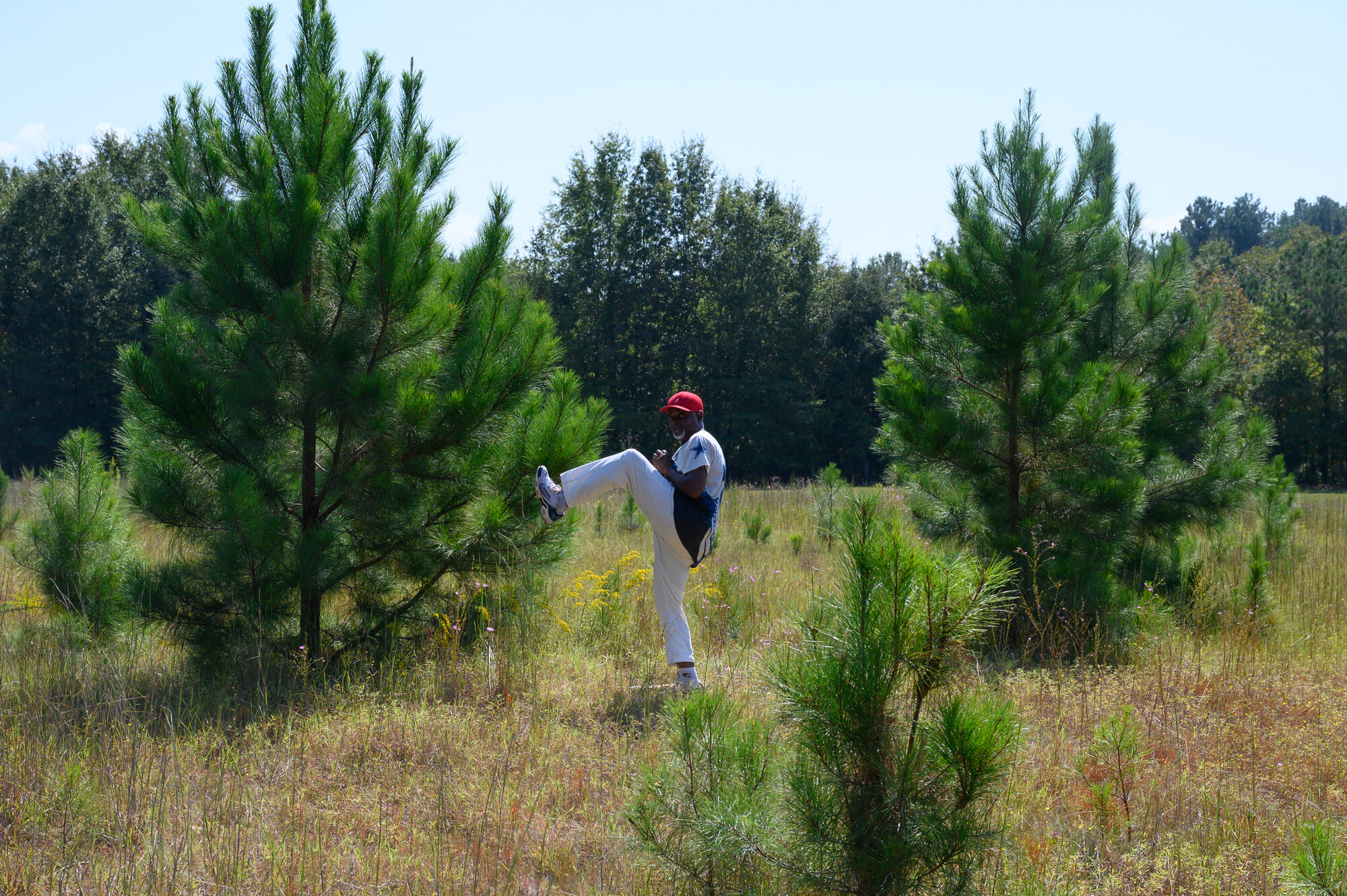
For English, those Saturdays and Sundays were fuel to his pitching fire. The bigger the crowd, the sharper his focus. His nickname, "Tommy Dog," characterized his dominance on the mound. He talked his share of trash, but he backed it up every time he took the ball.
"If I'm pitching that day, I love it because I get excited and my adrenaline gets high when I see a lot of people, so I really want to play," English expressed. "Baseball was about the fans. We'd come out to play, and to see that many people come out to see you play on the weekend, it was exciting. You don't want to do nothing else that summer but just play baseball."
Dennis knew the feeling. With his own background in baseball - from being a young, scrappy player on his uncle's baseball team and earning his keep by learning every position to coaching the 521 All-Stars women's softball team all the way into their historic championship - he was able to fill in if the team was short a player. He benefited not only by having his store be the hotspot for quick bites and halftime conversations on game day but also by grinding the Carolina clay alongside the All-Stars.
Nicknames became part of the fabric of the team: Tommy Dog, Baby Boy, John Boy, Nine - the list goes on. How they got the names varied, but the respect behind them was consistent. And for such a rural community, a team of African-American men with such talent and tenacity was rare and highly revered. Before Jackie Robinson broke the color barrier in baseball in 1947, Black players, separated and segregated from white players, were forced to form leagues of their own. These local Black leagues had an immeasurable impact on their communities and the game of baseball itself - and it needed to be shared.
Published in 1999, writer Frye Gaillard and photographer Byron Baldwin fused their creative talents into 122 pages of text and photos to depict, what many have called, "baseball in its purest form." Titled "The 521 All-Stars: A Championship Story of Baseball and Community," the images show Hampton Gardener sliding into Homeplate - one made out of scrap metal, tattered wood bleachers loaded with screaming fans, the camaraderie of a team of brothers, fathers and sons and a community filled with pride and a life-long promise to support. Together, the duo documented the 1998 season filled with trials, tribulations, triumphs and togetherness. The All-Stars won 32 games that season, dedicating the triumphant year to the late 521 All-Star Harvey Skinner, who died months before the season and wore 32 on the team uniform.
The book earned national praise, landing in a Hall of Fame exhibit in Birmingham, Alabama. Decades later, because of its widespread circulation, children perform skits based on the All-Stars' story, and the men grace museums in Columbia, athletic fields in Blythewood and casual conversations in Sumter's Riley Ballpark where they're treated like professionals, their pictures taken and their autographs treasured.
Those pages proved that what happened in this corner of the country, this corner of the county was worth remembering. But like all things touched by time, change was inevitable. The players who once filled the dugouts grew in age and their families in size. The same young men who once chased foul balls into the tree line now had bigger responsibilities and bigger aspirations. Slowly, the rhythm of those beloved weekends began to change.
And around them, the world changed too. Drugs and violence crept into the community, pulling young people away from sports and leaving gaps in the pipeline of players who could have carried on the All-Stars' legacy.
"We did our best to try to let this live on, trying to teach the younger kids to play," English said. "But a lot of things just got out of hand."
Even so, the culture of respect and love never vanished. Fans mirroring the aging of their favorite hometown athletes still ask English or Dennis when they'll get back to the game. It's often met with jokes and exchanging fond memories. The team is still in touch, talking often and seeing each other when time allows. When they're all together, it's as if time is an illusion. They have grown older in the physical, but their spirits are still the lively youngster who grinded the Carolina clay each weekend. The humor, the hugs, the wholesome camaraderie gives a glimpse into what those past days were filled with.
"Meeting up is like being on a playground with kids, having a bunch of fun. To see these older guys that still have the energy to fellowship and do the things that we continue to do now, it's amazing," English expressed.
The next time the team hoped to gather in great numbers is to unveil a historical marker erected outside the field, an ode to the history they've made and legacy that lives on.
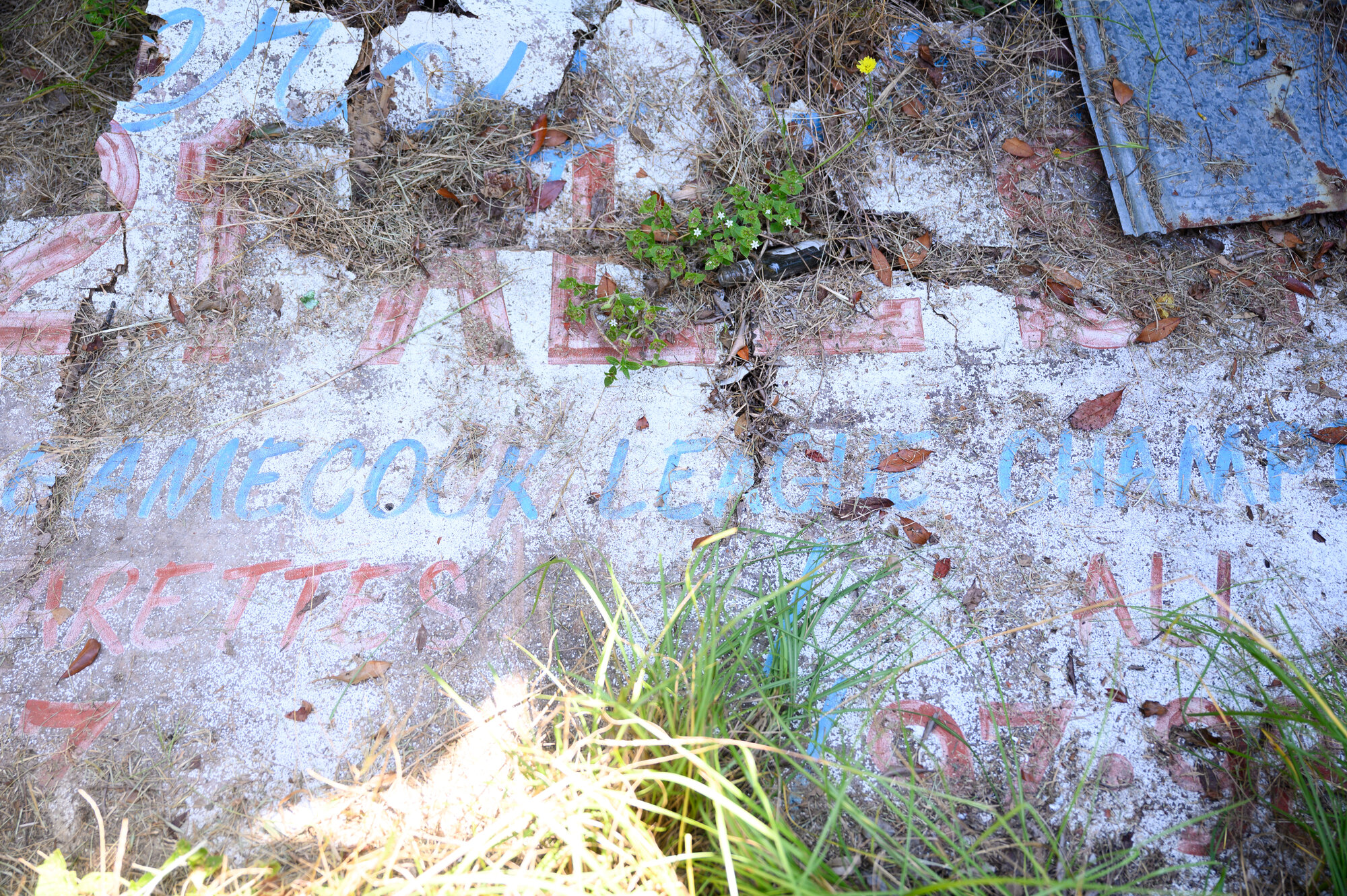
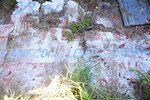
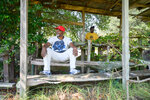
Though the crowds are gone and the sign has weathered, the field still holds its story. The bleachers built by hand, worn smooth by decades of neighbors and kin stand as quiet witnesses to what once was. The past is still present here, not always in what we see but in the way we remember: the lessons of love and respect, the pride of a community and the echoes of a legacy rooted deep in the soil of U.S. 521.