
Past is Present, presented by Sumter Museum: Giving thanks by preserving Sumter's past







See more of our coverage in your search results.
Add The Sumter Item as a preferred source on Google
Thankfulness can come in many forms, but it comes to fruition through remembrance.
Remembering the people who paved paths before us, the places that gave us somewhere to belong and the institutions that created opportunities for generations to come. The way such gratitude is expressed is in the work of making sure those stories are never forgotten.
Over the past two years, The Item's Past is Present, presented by Sumter Museum, has highlighted people and places across the county and beyond that preserve the community's history while continuing to shape its future. Through features spanning public service, arts and culture and education, the series has explored how community servants carry the lessons of the past to the present.
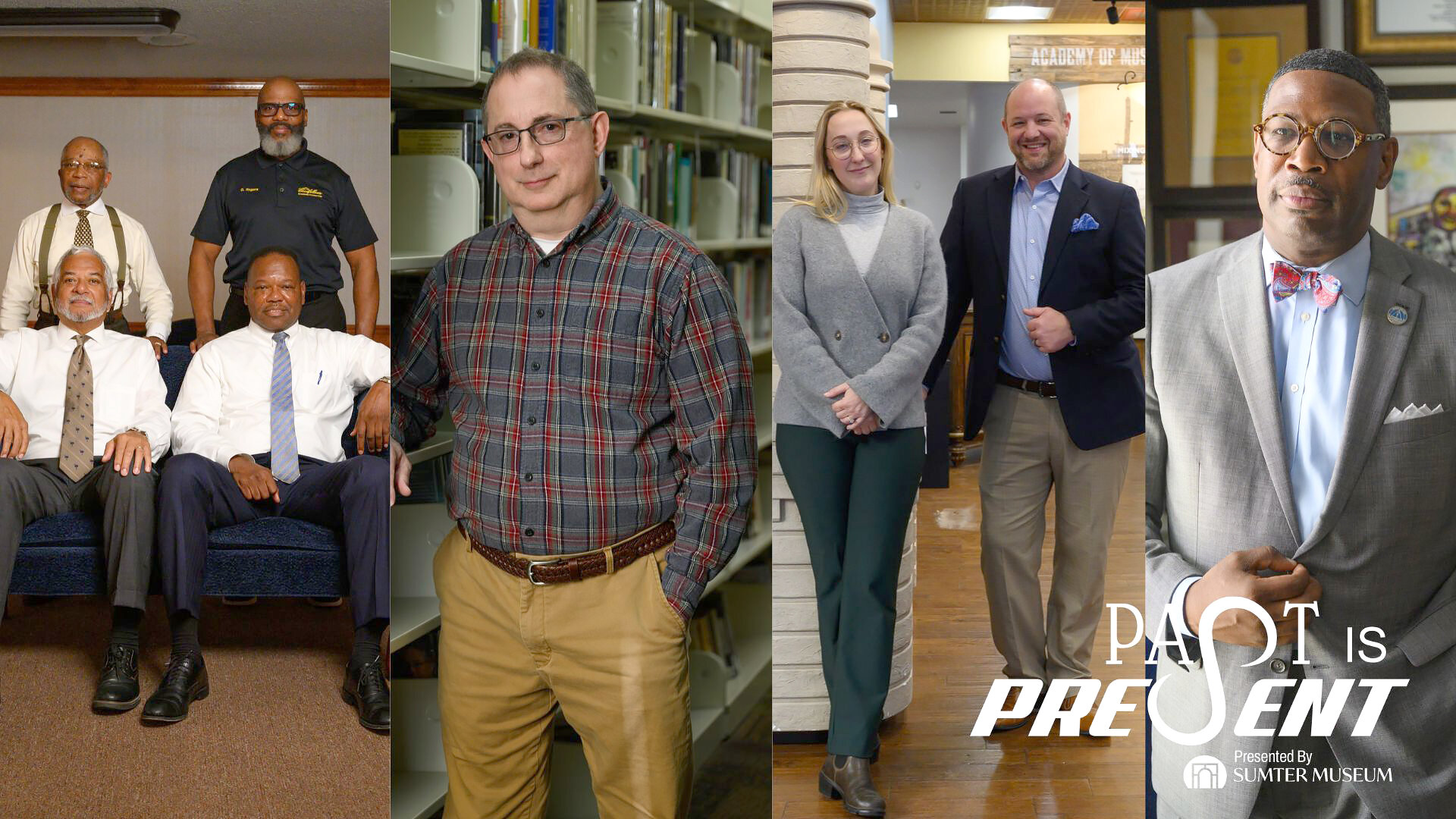
For this edition, we revisit four of those stories that highlight what it means to give back, honor those who came before and remain committed to the people and places that make Sumter what it is.
Goodfellows Club of Sumter
In October 2025, The Item sat down with Goodfellows Club of Sumter leadership Greg Rogers, Dwight Moore, Ernest "Chip" Finney Jr. and James Elbert Williams as the club celebrated 100 years.
Founded in October 1925, the organization began as a gathering of men who wanted to build connections and address issues affecting the community. Its founding members included community leaders like former Sumter City Councilman Willie Singleton Jr., the Rev. Ralph Canty, former Rep. Larry Blanding and the late South Carolina Supreme Court Chief Justice Ernest A. Finney Jr.
Conversations among members' homes grew into a century-long tradition of mentorship, scholarship, community support and service. Members supported organizations such as YWCA of the Upper Lowlands, NAACP and Boys and Girls Club while helping young people pursue educational and professional opportunities.
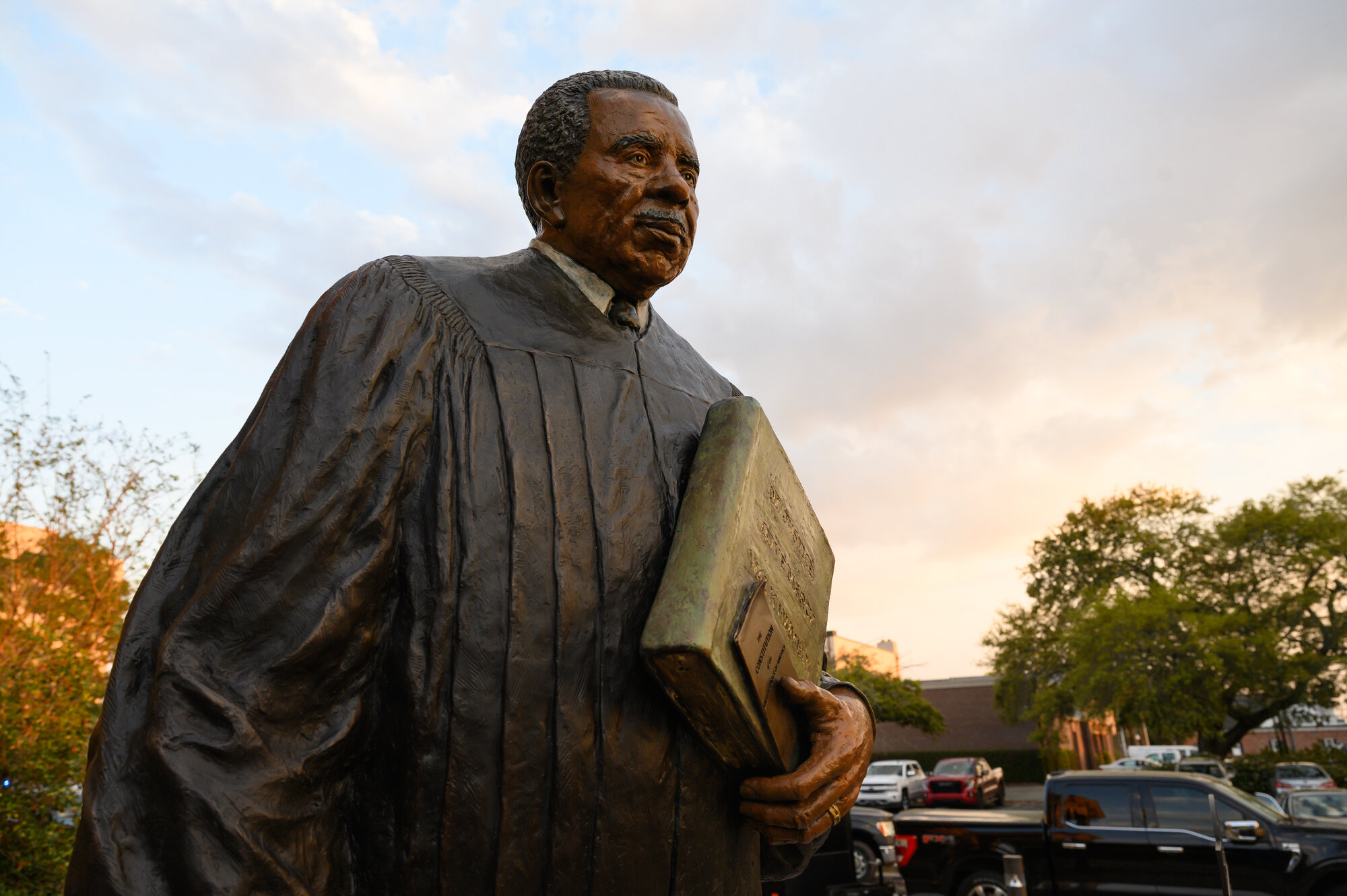
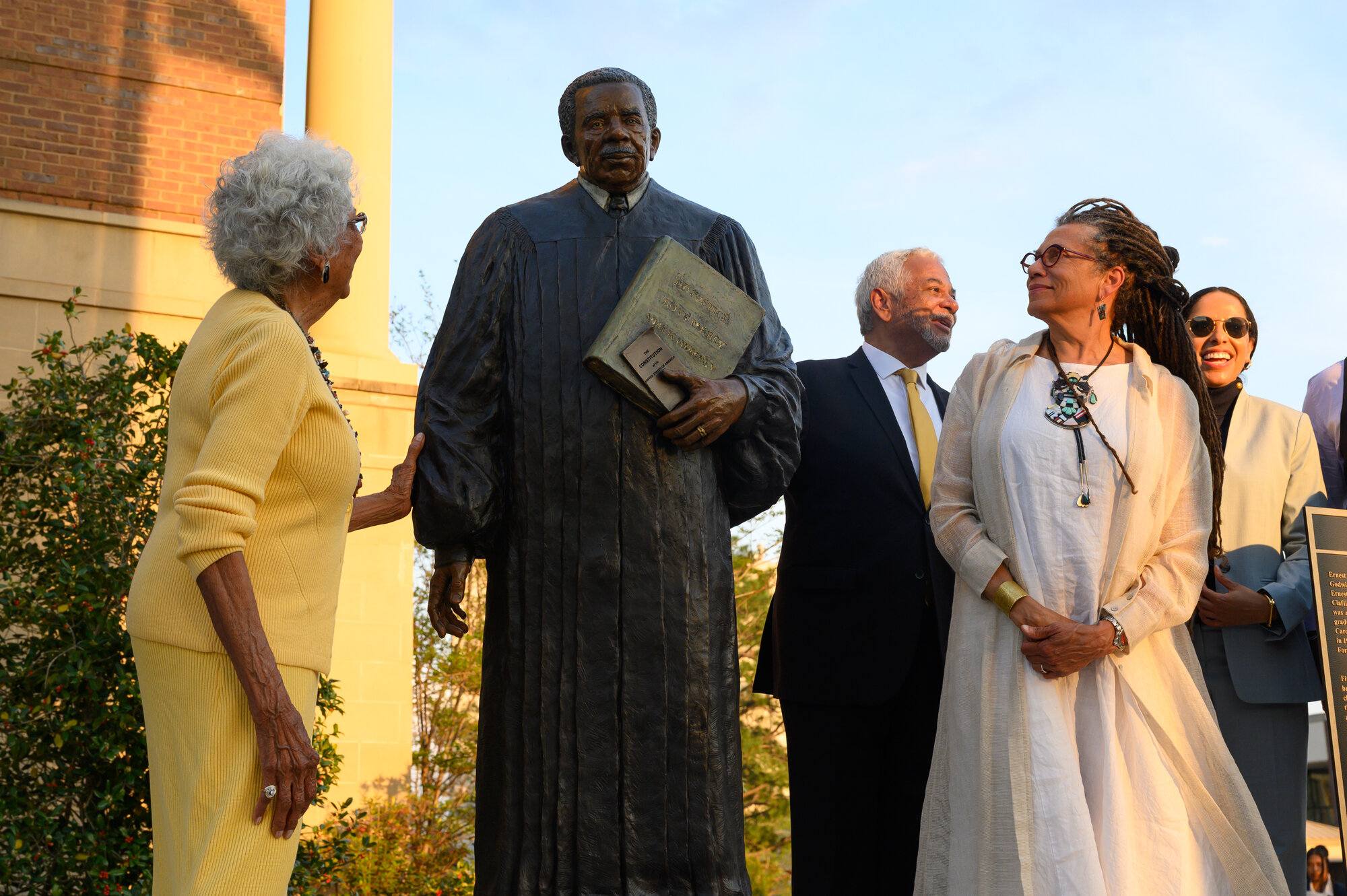
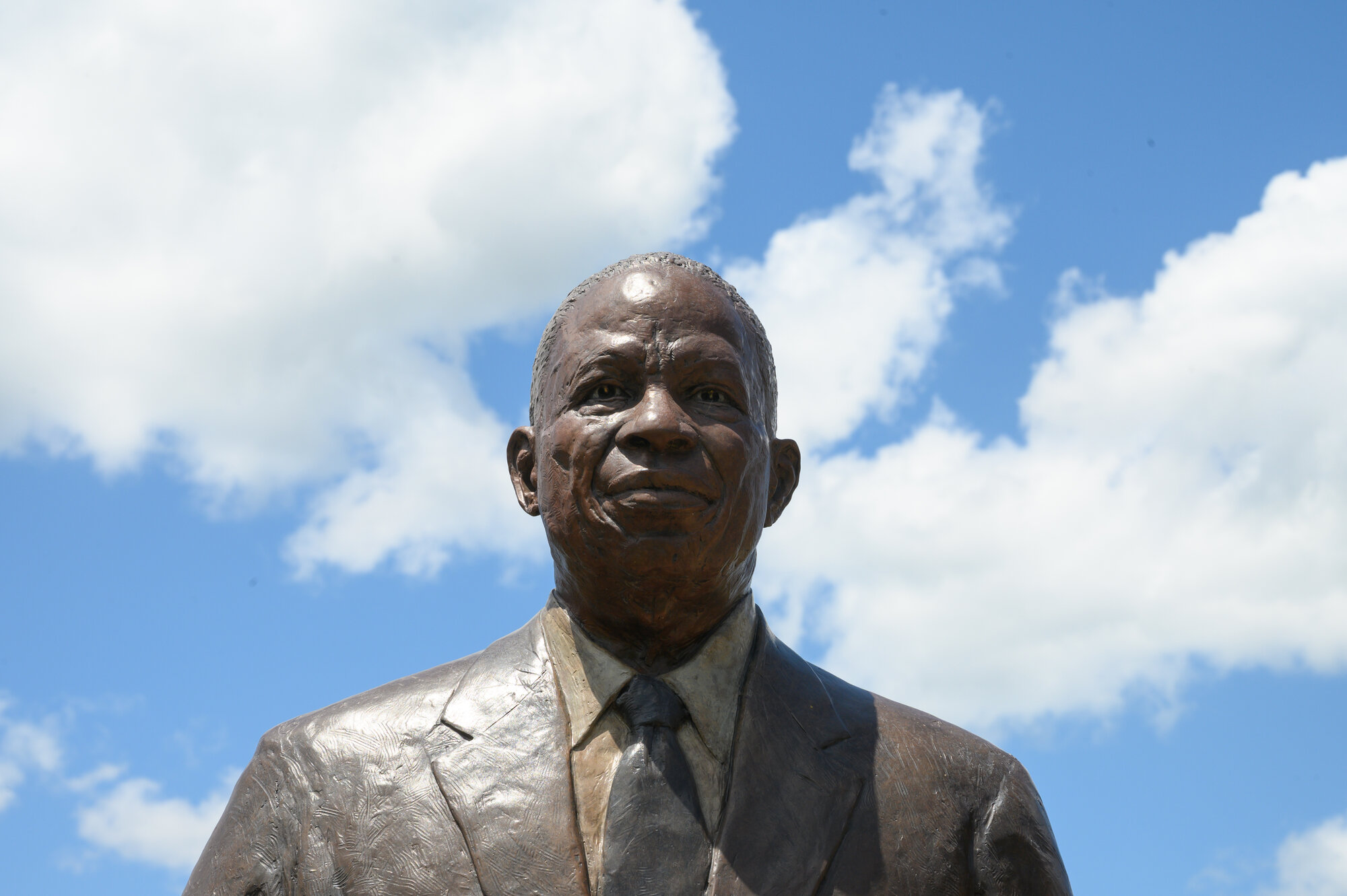
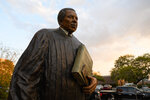
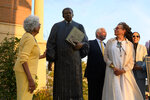
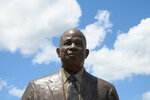
The club continues that legacy today through its commitment to the next generation and its efforts to preserve the contributions of those who came before them. Its largest undertaking to date has been the statue honoring Finney Jr., the state's first Black Supreme Court chief justice, that sits outside Sumter County Judicial Center. Through support from the community, the statue ensures his legacy remains visible for future generations.
For the members, the responsibility of preserving that history is not inseparable from the lessons they learned from their mentors.
"We've traveled for 100 years, and you can imagine the things that this community, this state, these United States transitioned from, and this club through its membership had a large voice in that transition and making it better for the minority community and the community at large," Moore explained. "Realizing how far these gentlemen have helped this community and the awesome part about this - why I talk about the pressure - is we have to somehow continue that."
"We were always encouraged through the Goodfellows that everything was accomplishable if you set your mind to it," Williams said. "Everything was obtainable."
Robert Harden and Sumter County Library
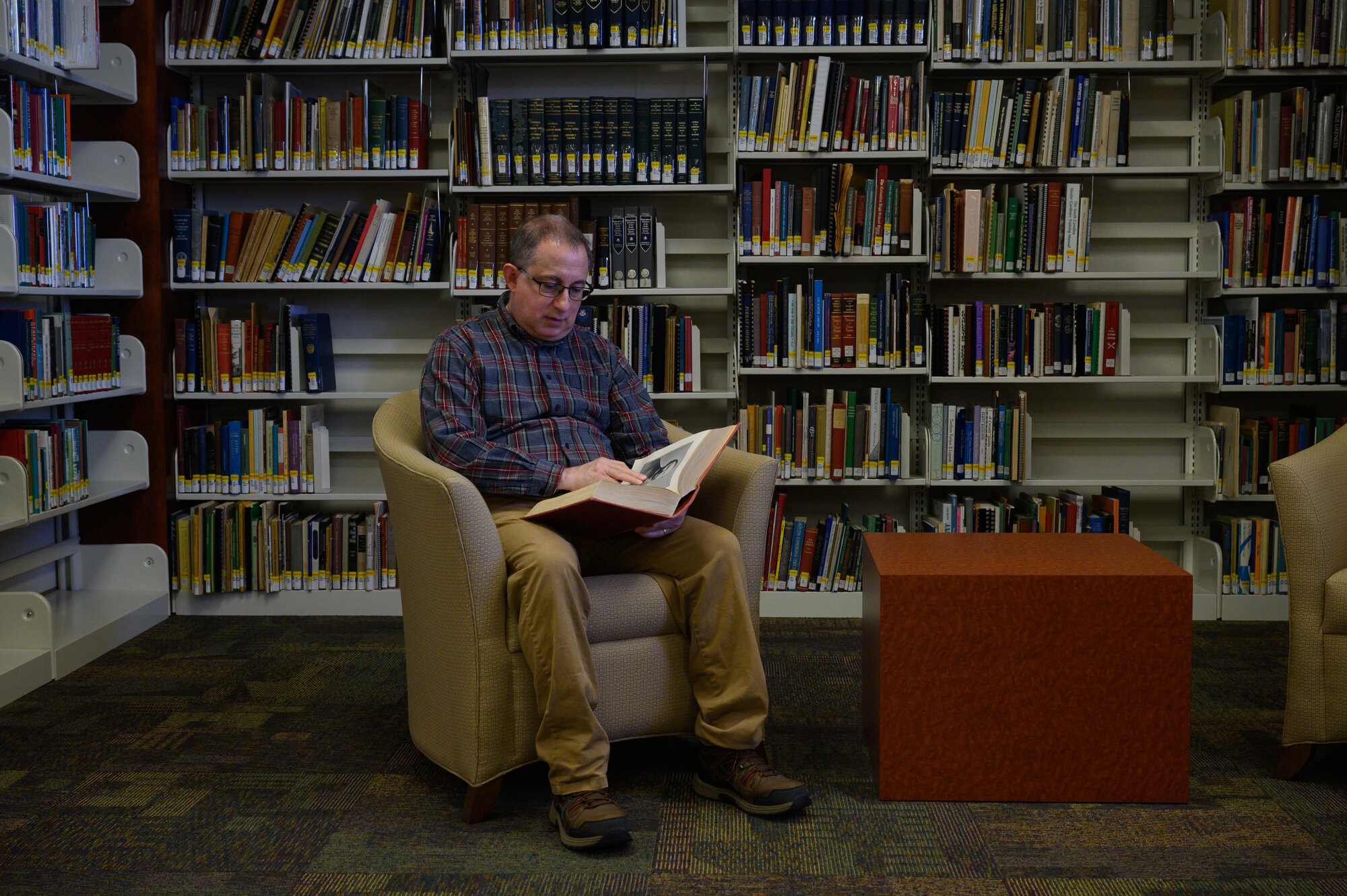
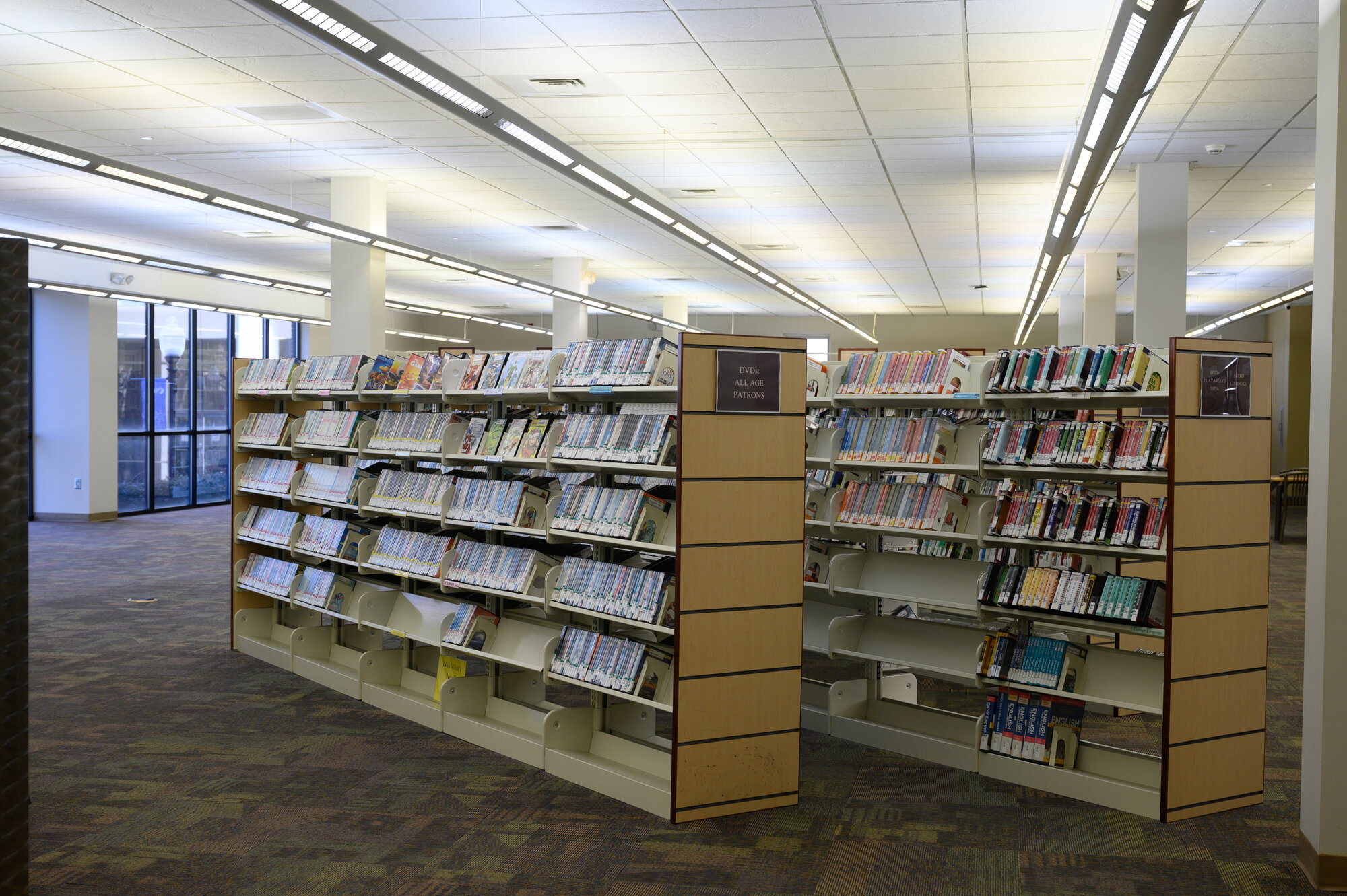
In December 2025, The Item interviewed Sumter County Library Director Robert Harden on the importance literacy and libraries have on a community, especially its youth.
Harden's relationship with the library began as a child visiting the Sumter Carnegie Library on West Liberty Street with his family. Built in 1917 with support from Carnegie Foundation, the library became an important resource for the community and one of 14 public libraries the foundation helped establish in South Carolina.
Decades later, Harden returned to the library as an employee in 1980 and eventually worked his way up to become its seventh director in 2007. Over four decades, he has witnessed the library evolve from a place where research meant pulling books from shelves and typing on typewriters to public computers, internet access, educational programs and outreach services. Through it all, its purpose has remained the same: making information and opportunities accessible to everyone.
That mission can be seen in stories Harden has collected throughout his career, including a family who found a steady place to complete homework and work through difficult circumstances when they were experiencing homelessness. Another family wrote to thank the library's bookmobile for providing audiobooks that brought comfort to their daughter before she passed from a terminal illness.
Those experiences only reinforce to Harden that the library's impact reaches far beyond its walls, and he's grateful to witness it.
"There's just so many of those examples, so many kinds of stories of the way that the library really affects people's lives."
Sumter Opera House
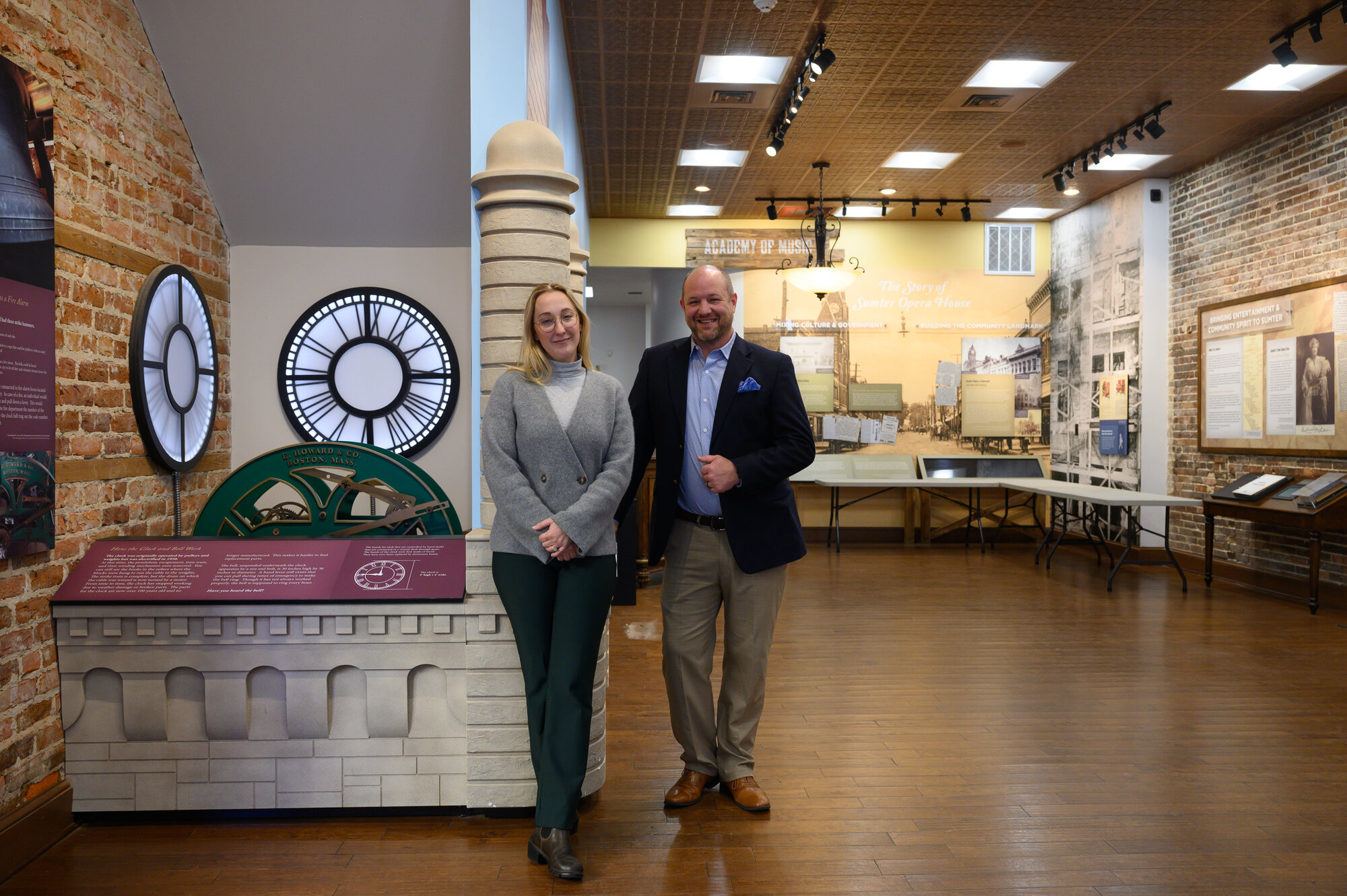
In February 2026, City of Sumter Cultural Manager Seth Reimer and then-Theatre Services Coordinator Kara Grover sat down with The Item to talk about Sumter Opera House's next chapter amid its monumental renovations.
Standing along Main Street for more than 130 years, the opera house has served numerous purposes through the years, from operating as a movie theater to hosting civic meetings and everything in between that brings the community together. After closing in 1982, the building faced an uncertain future before a major renovation in 1984 helped transform it into the performing arts venue residents know and love today.
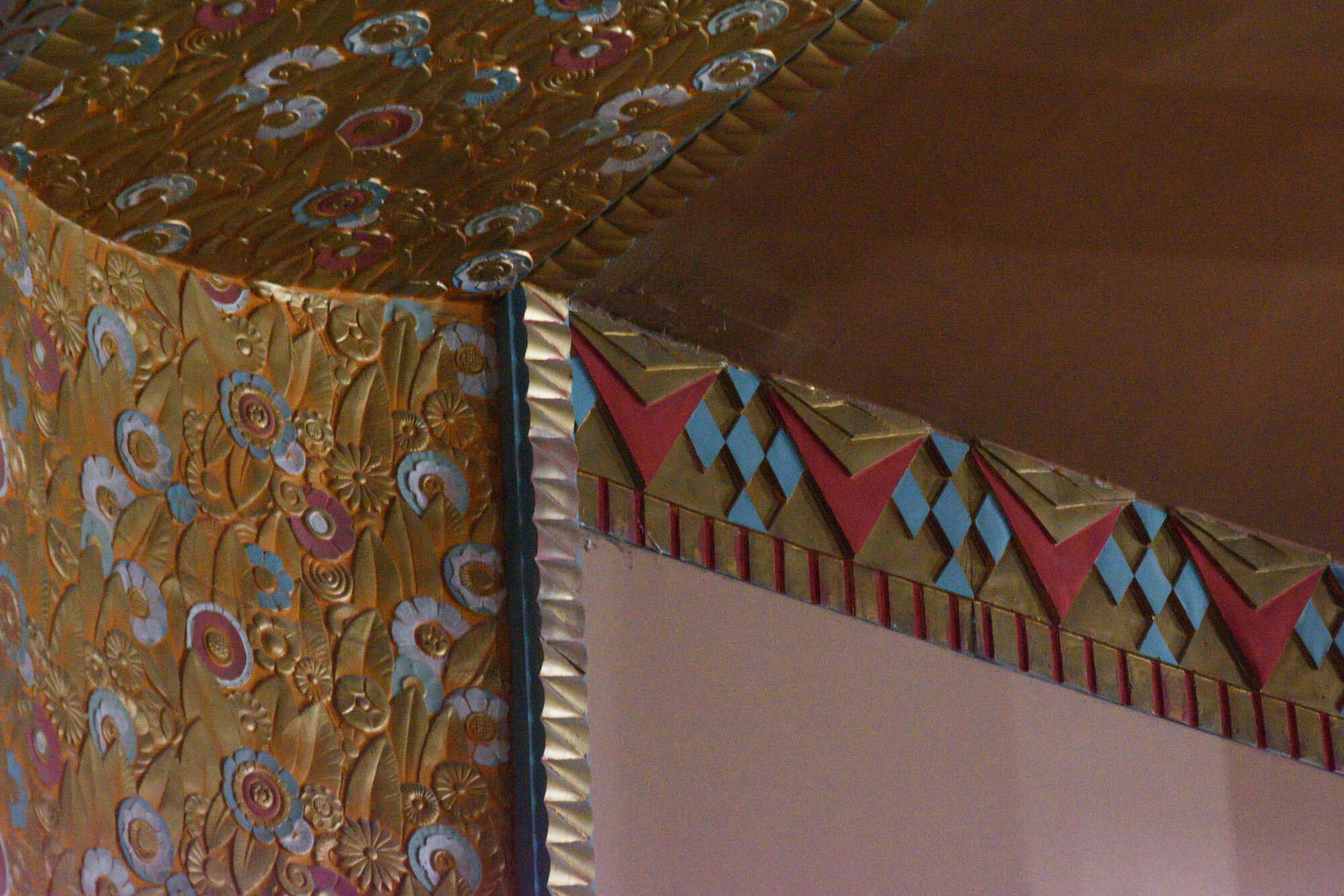
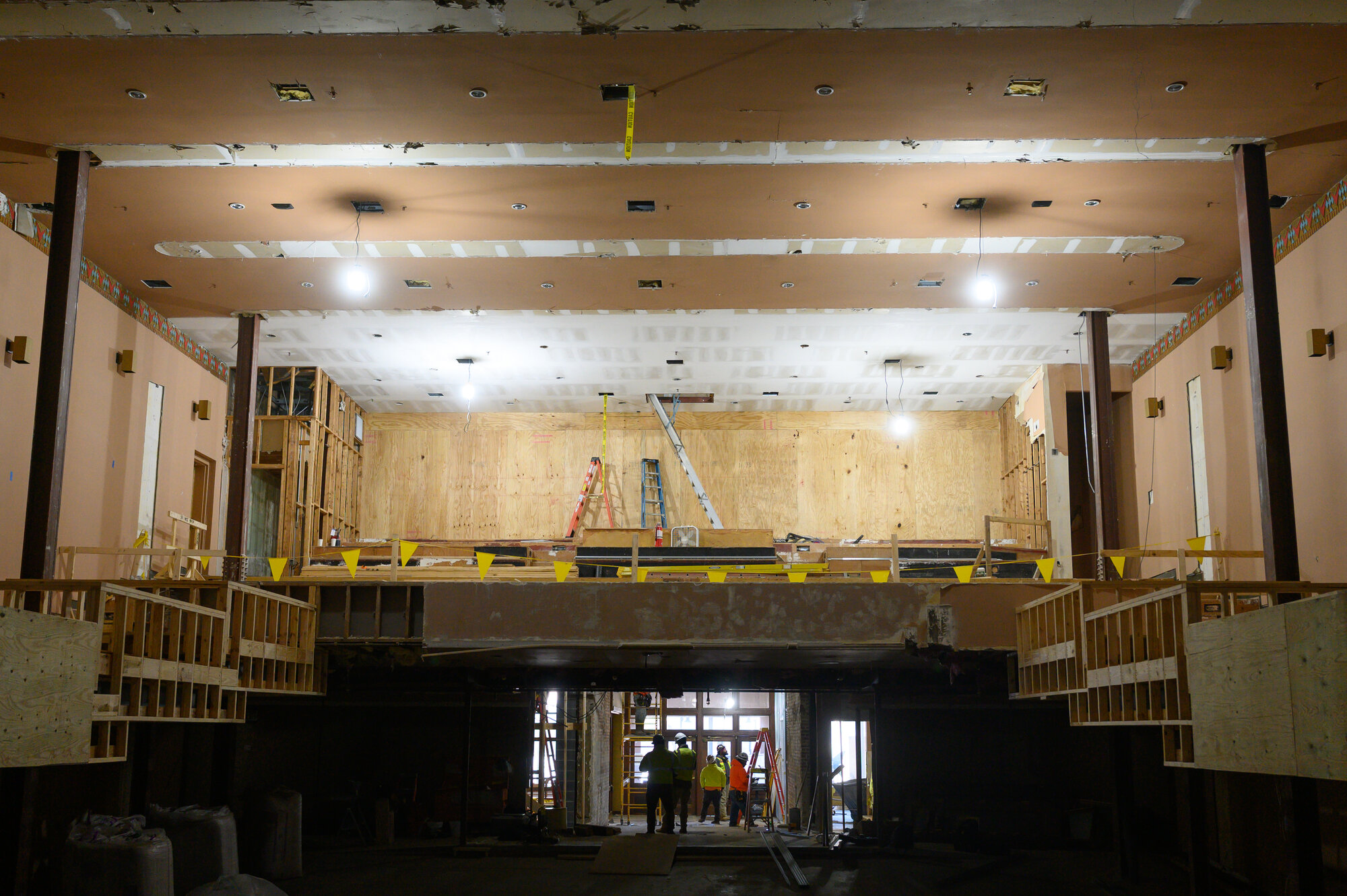
Now, as another major renovation is underway, Reimer and the opera house team are helping guide the venue into its next chapter. The project is designed to modernize the building while retaining its historic architectural details that made it special, including its art-deco features. Planned improvements include extending the venue to 19 N. Main St. to serve as the venue's new front of house, bringing improved traffic flow, more bathrooms, a dedicated box office, elevators and more room to mix and mingle. Inside the actual auditorium, sight lines will also be improved with the removal of columns and reconfiguring of box seats, while seating will be updated for comfort and accessibility. Behind the scenes, there are easily accessible dressing rooms, more convenient means for getting to and from stage, a proper green room and gathering spaces for artists, backstage storage, designated lounge areas for the opera house's loyal volunteers and crew and a new loading dock.
But for Reimer and Grover, the work is about much more than improving the building. The opera house has lasted this long because Sumter decided it should. The renovations are only to ensure it remains a place where the community can experience art, create memories and introduce something new to younger generations.
"Our why is for the people," Reimer explained. "It's certainly for the building - that's important to preserve this landmark - but the why is for the people and for the kids."
Dr. Said Sewell and Morris College
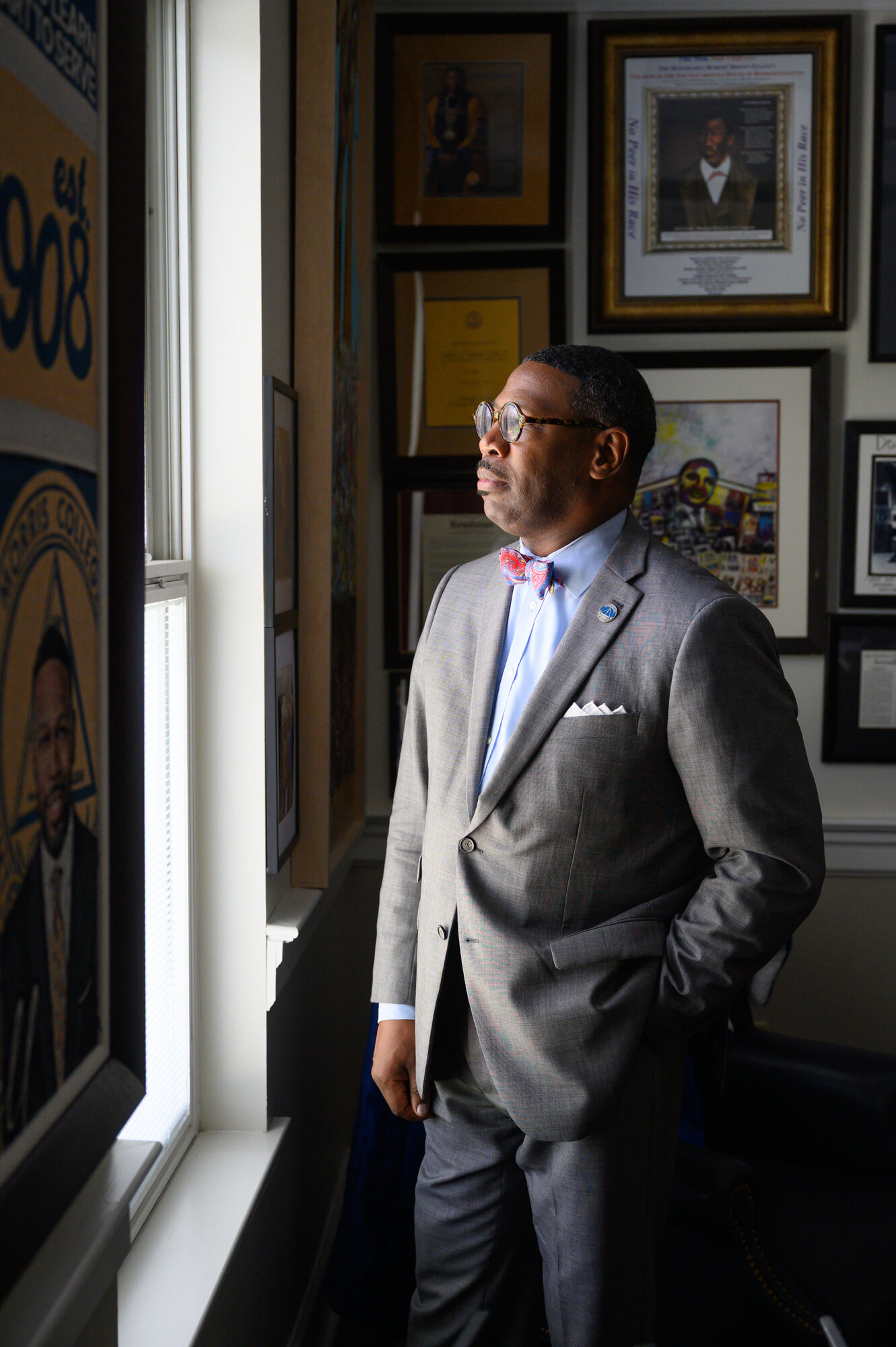
In June 2026, Dr. Said Sewell spoke with The Item about his coming to Morris College and his hope to not only preserve its history, but also extend it well beyond its campus.
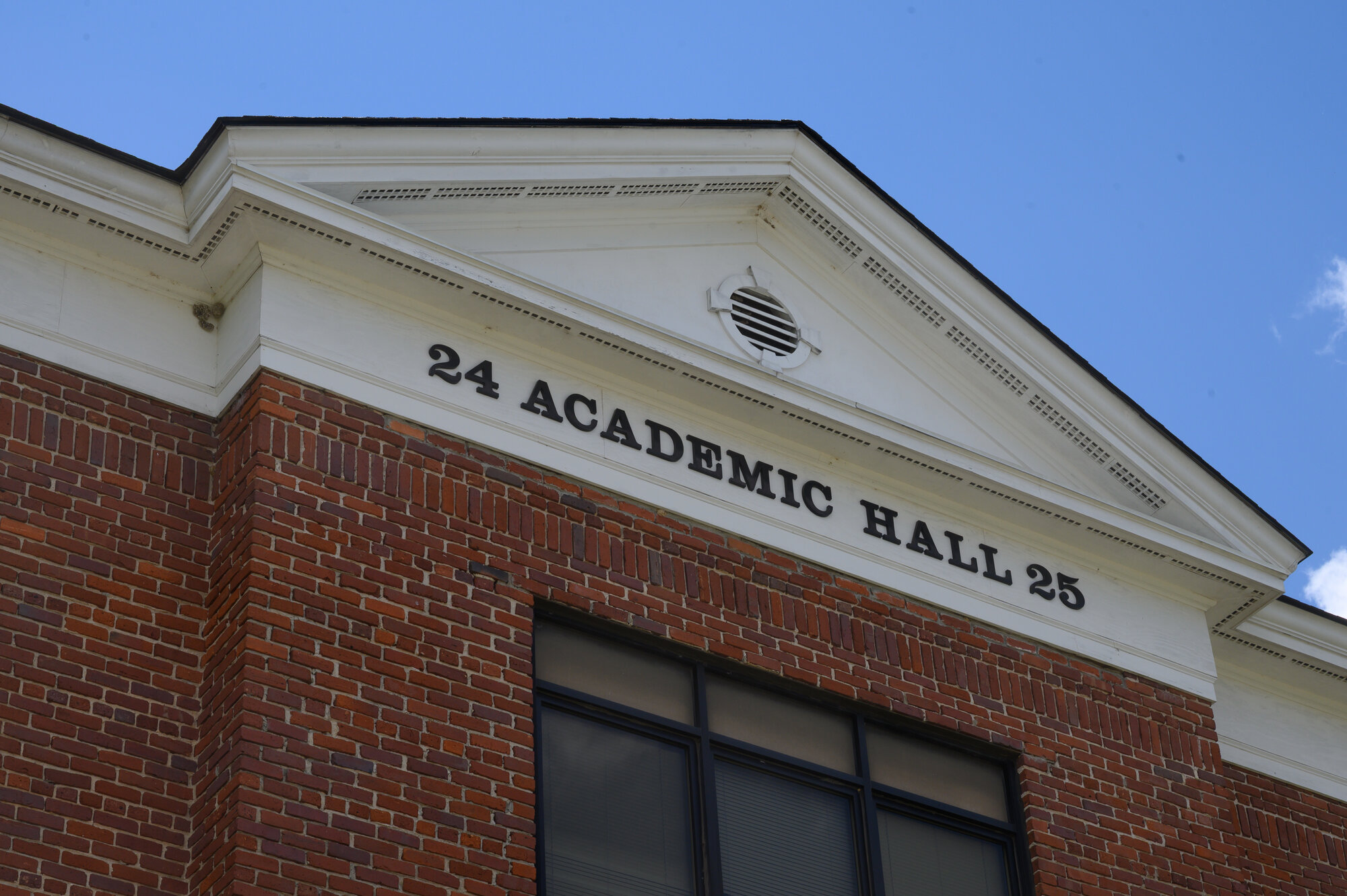
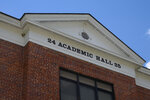
Founded 118 years ago in 1908 by Black Baptist men and women of First Baptist Missionary Church, the college was determined to make higher education possible despite the struggles they faced. Early supporters sold chicken dinners, donated eggs and harvested crops to help feed students and sustain the college. Students and faculty helped build some of the campus' earliest buildings which still stand today.
That history remains central to the college's mission - and Sewell as the 11th president.
Native to Houston, Texas, and coming from Atlanta, Georgia, Sewell went on a listening tour his first year. He heard the concerns of students, faculty, staff, alumni and community members to better understand what Morris meant to them and how the college could continue to grow. Those conversations helped shape the vision for the college to increase enrollment, retention, campus improvements, faculty and staff morale and stronger community engagement.
He also emphasized the college's role as Sumter's "front porch," welcoming students and visitors fresh off U.S. 76/378 while showcasing the institution's contributions to the community.
For him, preserving Morris' legacy means continuing to create opportunities for students to discover their potential and become leaders, educators and professionals of tomorrow. He hopes that his own legacy will reflect the same commitment to service the college was built on.
"I hope and pray that my legacy was that he was committed to the people. That he may not have been the most successful in certain areas, may not be the best preacher, may not have had all of the opportunities, but he was committed to making a difference."
The Sumter Item has been your trusted source for local news, sports, community stories and accountability reporting in Sumter, Clarendon and Lee counties for 132 years. To support our newsroom, consider making a tax-deductible donation below.