
Heat wave is expected to last until Friday. Here's how you can stay cool.
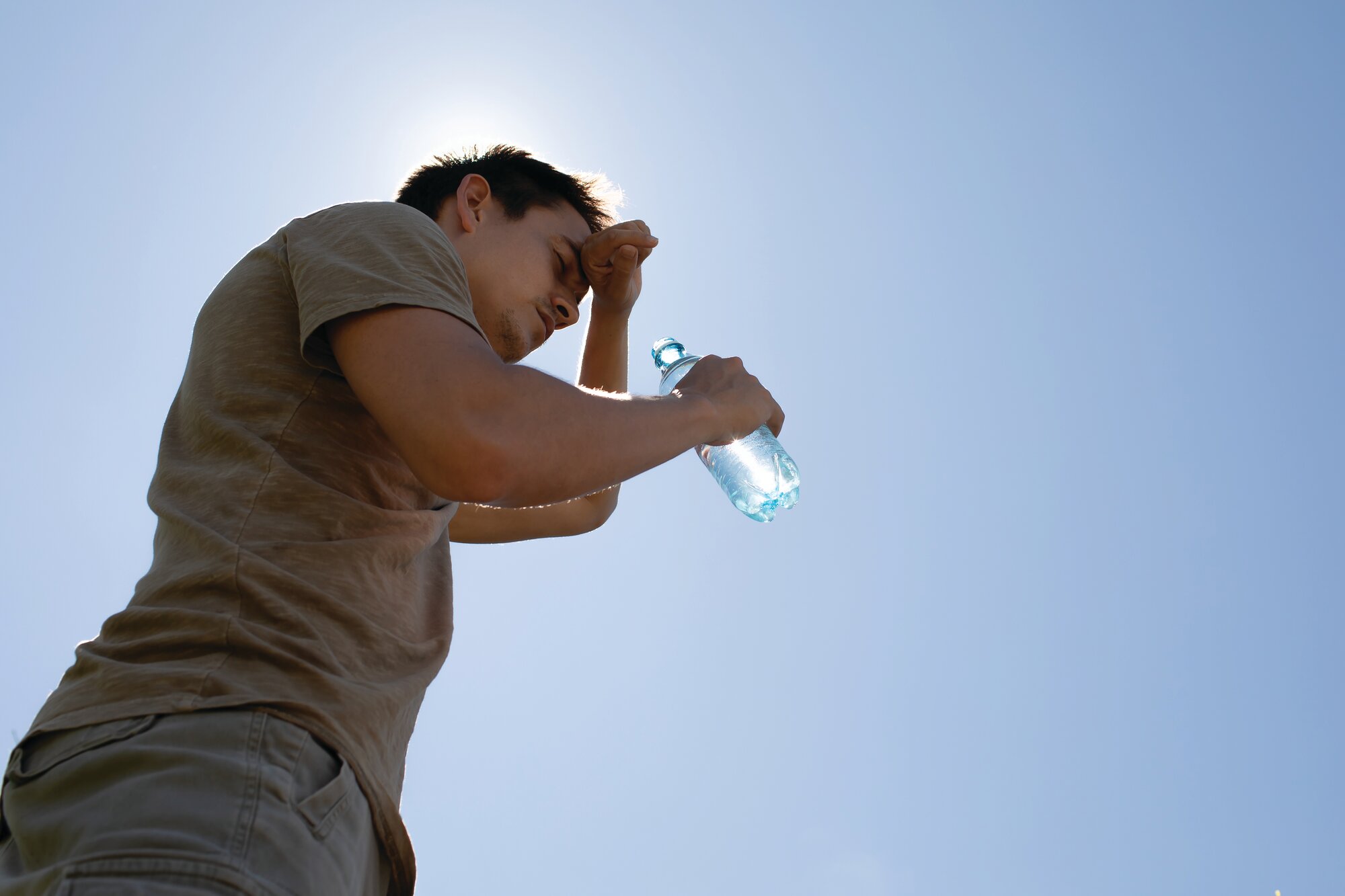
Summer 2025 has arrived, if the triple-digit heat indexes are anything to go by.
National Weather Service in Columbia issued a heat advisory at noon on Friday, June 20, and lasted until 9 p.m. on Tuesday, June 24. The weather station predicted the heat index would reach 108 degrees Tuesday. The heat index is how the heat feels to our bodies when humidity is combined with the air temperature.
South Carolina Department of Natural Resources' Severe Weather Liaison Frank Strait predicted, based on long-range computer models, the heat could last until Friday before breaking down.
Lt. Selena Smith with Sumter Fire Department said despite some Southerners thinking the heat is part of "our element," it is a "serious issue."
When the heat index reaches over 100 degrees, the risk of sunstroke, heat cramps and heat exhaustion increase with prolonged exposure to or physical activity in the sun. Extreme heat affects everyone, but those particularly at risk are pregnant women, people with heart or lung conditions, older adults and younger children, people with mental health conditions and those who take SSRI antidepressants, outdoor workers in construction, agricultural workers, athletes and people who lack adequate shelter, according to CDC.
To get ahead of these heat illnesses, Smith, along with the American Red Cross, offered tips on how you and your loved ones can beat the heat:
- Wear loose, light-colored clothing made from breathable fabric.
- Along with wearing sunscreen, long-sleeved clothing can also help shield from sun exposure.
- Drink plenty of water and electrolytes at least every hour, even if you don't feel thirsty. If not drinking, eat foods that aid hydration.
- Avoid sugary, caffeinated and alcoholic drinks.
- Check on at-risk friends, family and neighbors who may be at risk. If any struggle with finding adequate shelter or air conditioning, invite them over.
- If unable to find adequate shelter from the heat, go to a mall, library or cooling station.
- Try to schedule activities in the morning or in the evening, as the heat tends to peak from 10 a.m. to 5 p.m.
- Keep a close eye on the weather to avoid being unprepared for extreme heat.
- If it's too hot for you, it's too hot for your pet; the same tips apply. Ensure that pets have a shady place to rest and have plenty of fresh, clean water.
- Do not leave children -or pets - in hot vehicles.
In 2022, 33 children died of heatstroke in vehicles across South Carolina, according to South Carolina Department of Public Safety. The agency advised drivers to look before you lock:
- Always check the back seat before locking the car.
- Secure something you need at your destination in the back seat, like a cellphone, employee badge or handbag.
- Keep a stuffed animal in the child's car seat. Place the stuffed animal on the front passenger seat as a reminder when the child is in the back seat.
- Create a check-in system with your partner or caregiver to confirm that drop-off was made.
- Use technology, like rear seat reminders, that alert the driver to check the back seat.
- Ask your babysitter or childcare provider to call you if your child hasn't arrived as scheduled.
In an emergency, it's critical to know the signs of heat illnesses and what to do.
Heat cramps are muscle spasms caused by a large loss of salt and water in the body. Symptoms of heat cramps can include heavy sweating with muscle pain or spasms. If you or someone you know is experiencing heat cramps, you can:
- Move to a cool place.
- Drink water or a sports drink.
- Get medical help right away if cramps last longer than one hour or the person affected has a heart problem.
Heat exhaustion is severe and may require emergency medical treatment. Symptoms include heavy sweating, cold, pale and clammy skin, fast, weak pulse, nausea or vomiting, muscle cramps, tiredness or weakness and dizziness, headache or passing out. To avoid heat exhaustion or if experiencing it, you can:
- Move to a cool place.
- Loosen tight clothing.
- Cool the body using wet cloths, misting, fanning or a cool bath.
- Sip water slowly.
- Get medical help right away if vomiting occurs, symptoms last longer than one hour or get worse or confusion develops.
Heat stroke can be fatal and requires emergency medical treatment. Someone suffering from a heat stroke may exhibit symptoms including a high body temperature of 104°F or higher, hot, red, dry or damp skin, a fast, strong pulse, headache, dizziness, nausea, confusion or passing out. If some is experiencing a heat stroke, you should:
- Call 911 right away, then:
- Move to a cool place.
- Cool the body using wet cloths, misting, fanning or a cool bath.
- Do NOT give the person anything to drink.
Once you're prepared, Smith emphasized to check on loved ones and neighbors who are older or struggle with access to air or cooling supplies. Make a list of who you'll check on and help them make a plan of what to do. The Red Cross also has a First Aid app that can inform you of what to do if emergency help is delayed as well as an Emergency app for real-time weather alerts and heat safety information. Content is available in English and Spanish with an easy-to-find language selector. Both apps can be found by searching American Red Cross in your mobile app store or by going to redcross.org/apps.