
A crown with a cause: Miss Wheelchair SC Chasity Miles-Anderson turns tragedy into triumph, advocates for universal accessibility
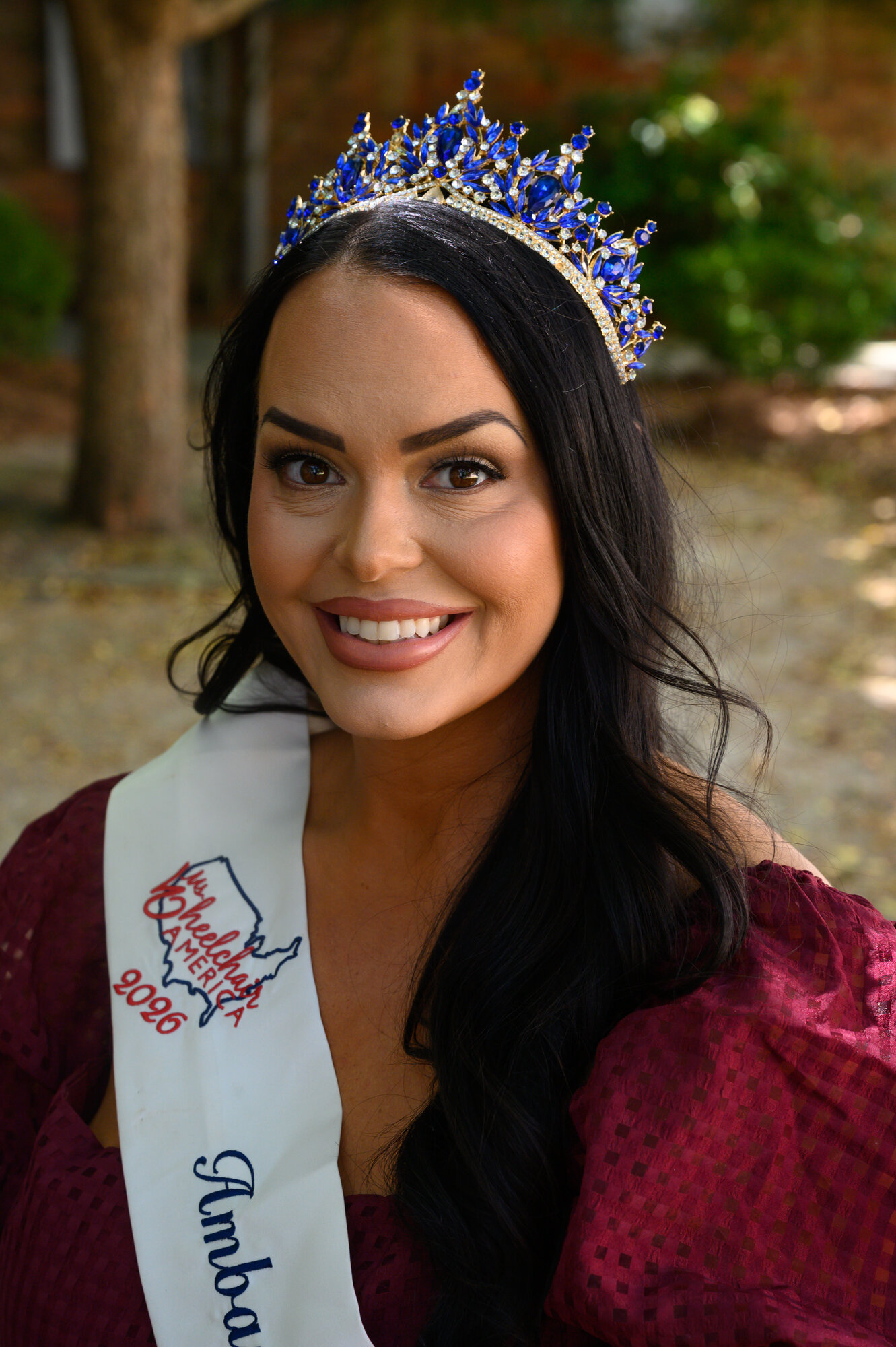
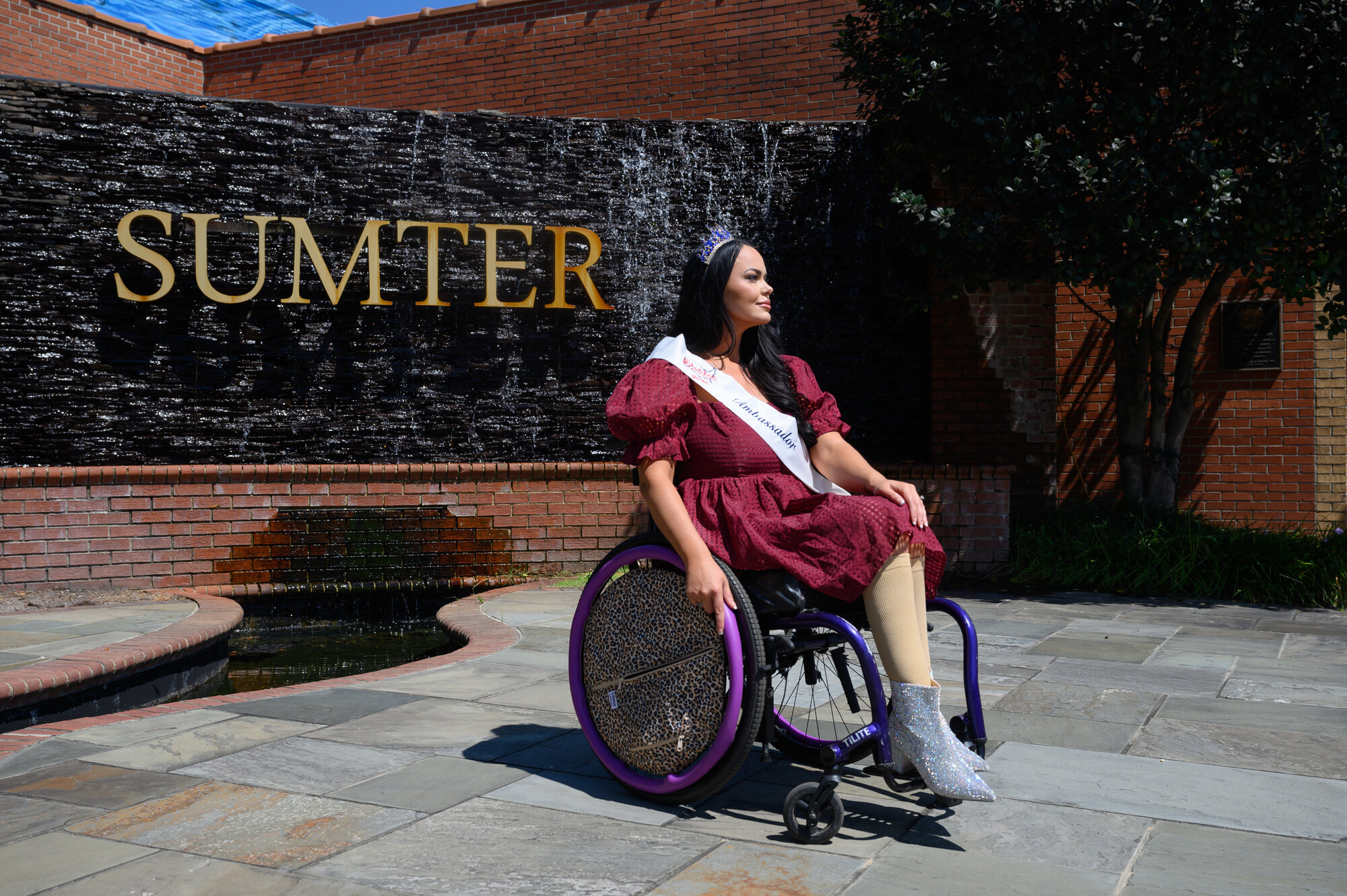
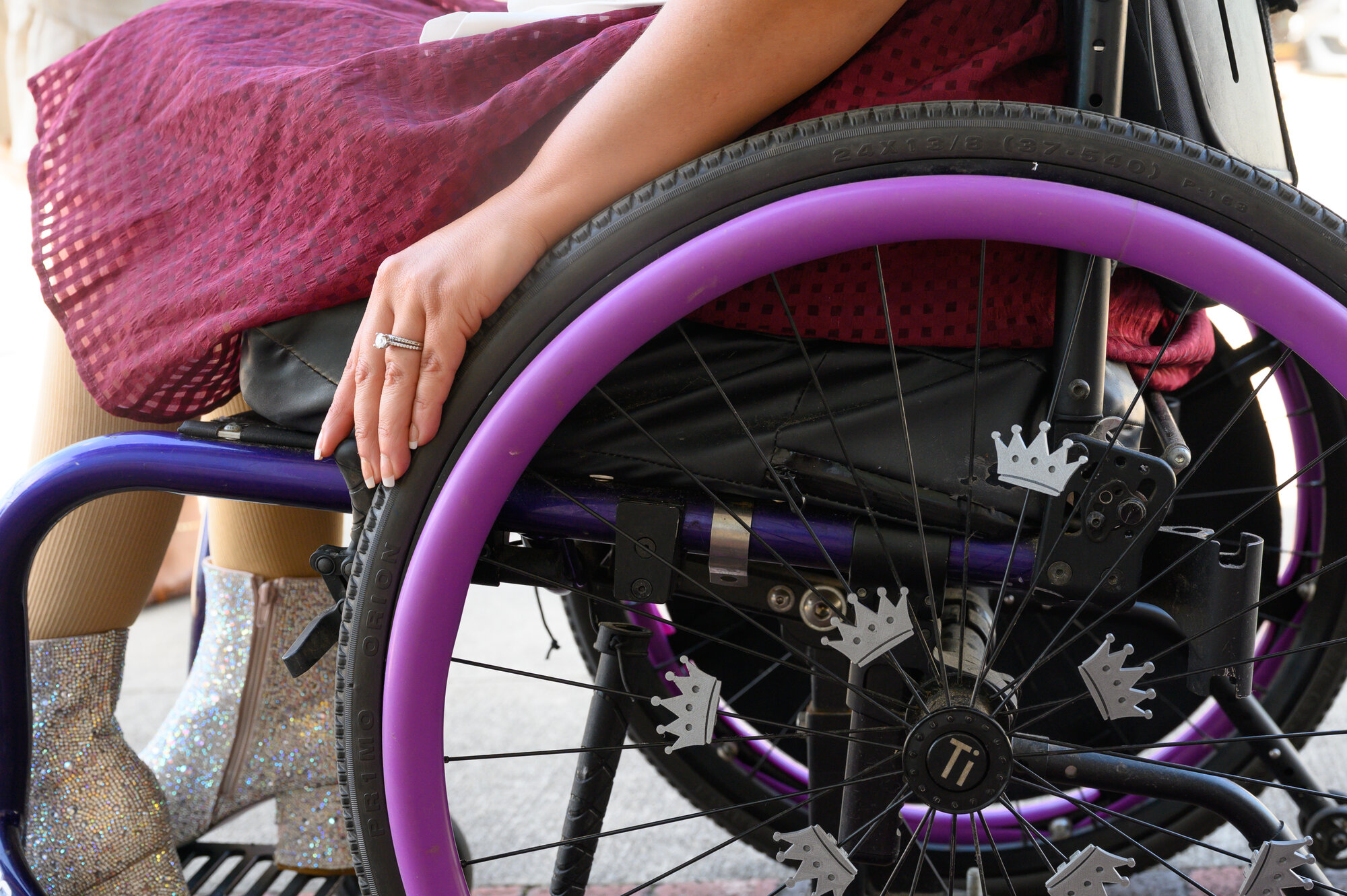
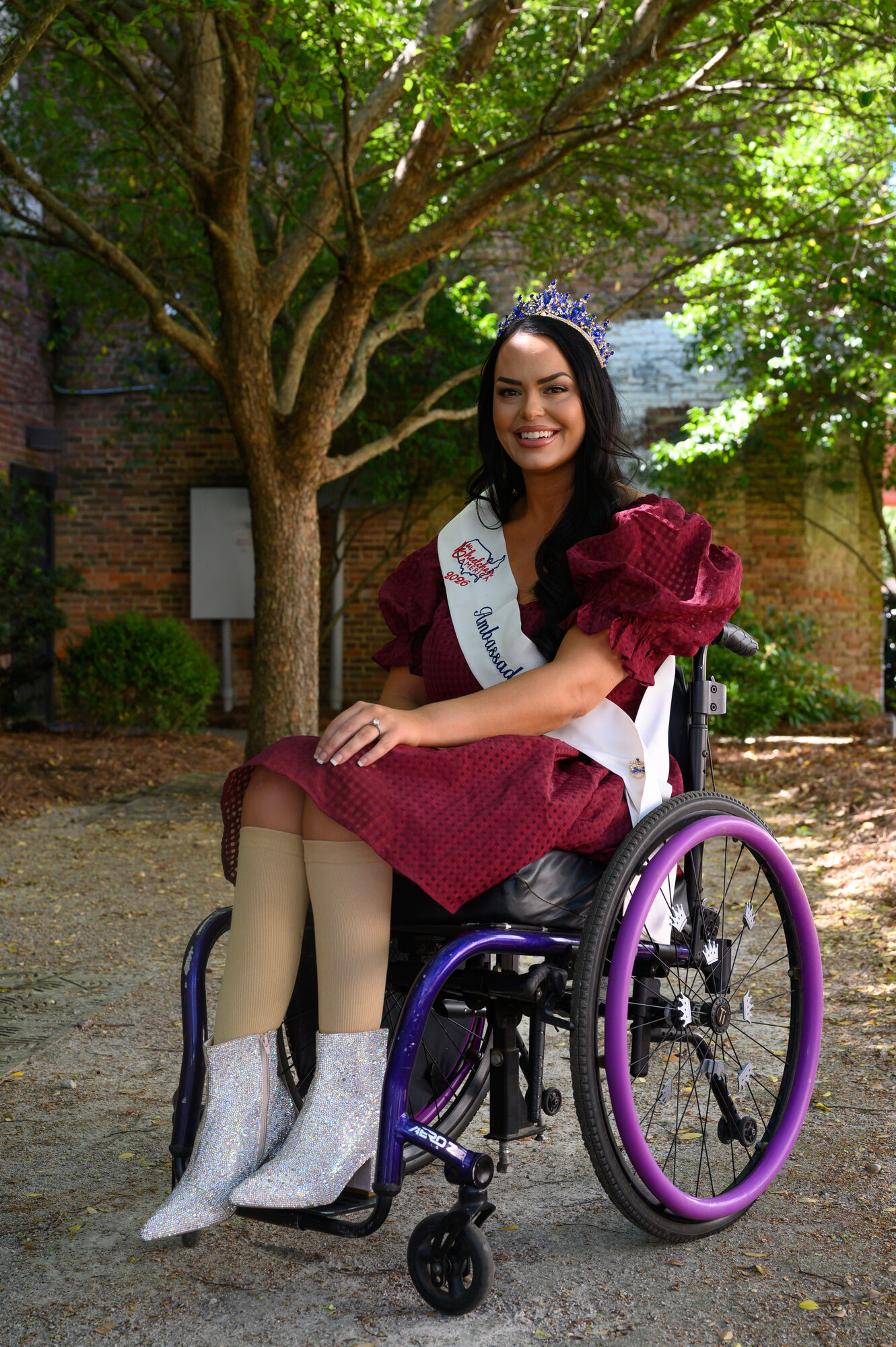
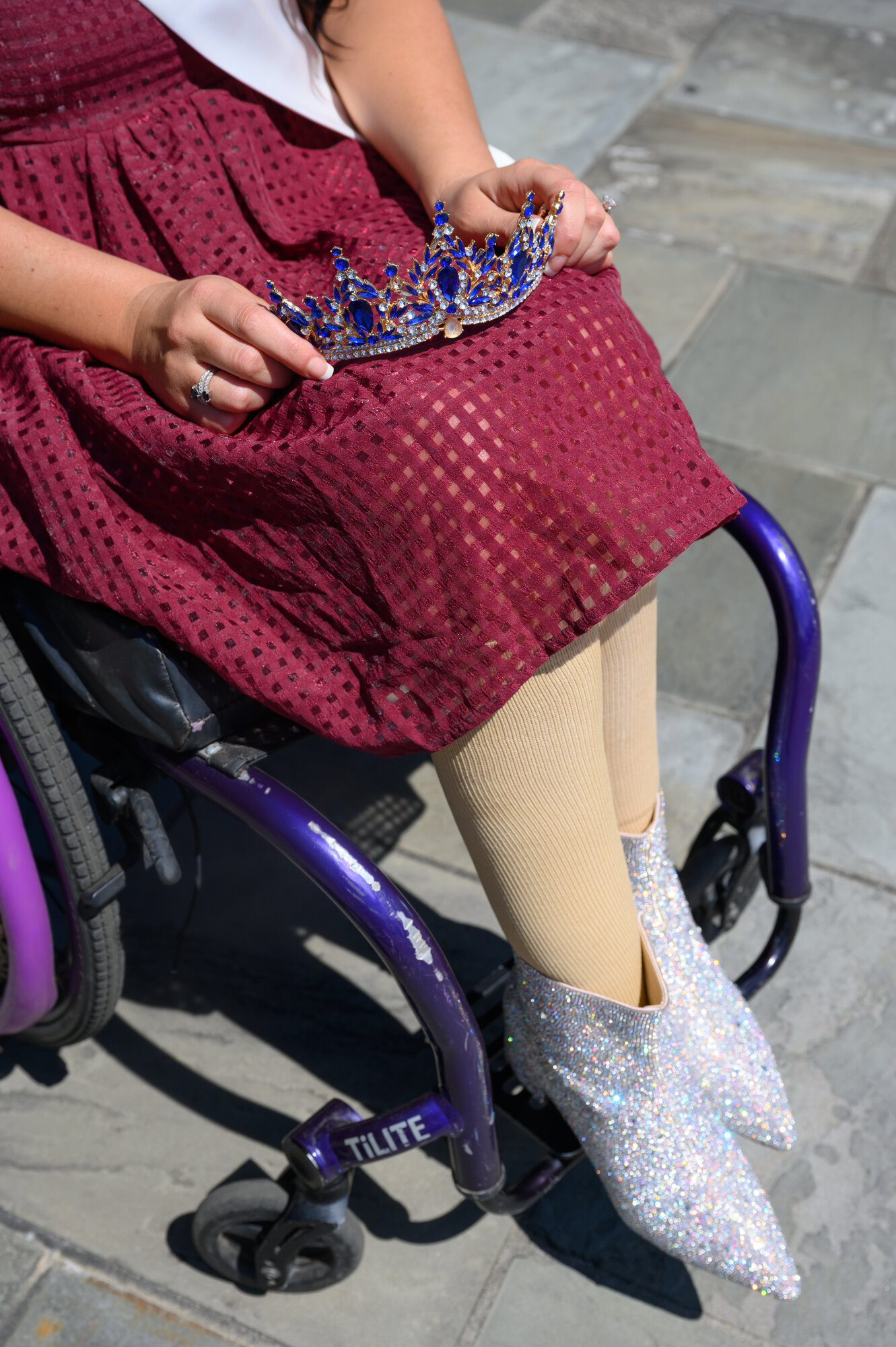

On Aug. 30, 2022, Chasity Miles-Anderson was shot in the front yard of her Sumter County home with an AR-15. The veteran nurse of 15 years felt the telltale signs of the unthinkable as she lay on the ground before the medics could say it out loud.
The bullet left her paralyzed from her hips down, a T12-L1 injury, after it entered through her abdomen, nicking organs on its way through her diaphragm and exiting through her chest cavity. It would change some things - walking, standing - but not everything. Not the things that mattered. Not her ability to enjoy her life, her family and her ability to advocate for what she believes in. That fearlessness to fight started with her determination to make it home to her son after that August evening.
Her 9-year-old son, Boone, was only 6 at the time of the shooting. It was God's timing that he asked to stay with his grandparents that evening. It was an unusual request for the youngster who lived in Miles-Anderson's shadow; it meant that he wasn't at his mother's side when the shots rang out. The next day at school, the rumor traveled faster than the reassurance as a classmate told Boone that Miles-Anderson had died; coincidentally, another shooting on the same day involving a woman of the same age as Miles-Anderson in another county resulted in death. Boone spoke to his mother every night before bed except for that August night. To him, silence meant the worst.
Even though a distraught Boone was consoled by school staff and comforted by his grandmother, all questions and cries would be quelled once he heard Miles-Anderson's voice.
"Are you dead?" Miles-Anderson recalled her son asking seconds into the call as she laid in a hospital bed in Richland County.
"No, baby," she told him. "I'm alive."
Being alive meant being able to fight - and she endured a battle like no other. In the days that followed, Miles-Anderson discovered how thin the line between living and dying can be when health care systems are not prepared for complex trauma. Repeated warnings about her condition - difficulty breathing due to fluid and bile buildup shifting her trachea, for example - weren't met with the kind of urgency she was taught to exude as a nurse. It was only when her white blood cell count reached 44 - over four times its normal count of 10 - that an emergency surgery stopped her body from shutting down.
Eventually, a friend and physician helped secure a bed at Shepherd Center in Atlanta, Georgia, a top-ranking, nationally recognized private hospital that specializes in medical treatment, research and rehabilitation. It is one of the few regional facilities equipped to handle neurological rehabilitation after spinal cord injuries. Without the center, Miles-Anderson was sure she would've been discharged to a nursing home for basic therapy, cutting her chances at being able to live with the level of independence she has.
The weeks that turned to months in Atlanta were difficult but defining in how deep her determination ran, especially when it came to making it home to share the holidays with her son and now-husband, Ernie.
Two years later, the facts of her injury remained. But we're not surrounded by somber tones and sorrow. It lived in the smile Miles-Anderson wore when The Sumter Item met her in her home in 2024. She was bright, she was filled with passion and compelled to curate a platform to speak about issues often overlooked. And she would do so through the Miss Wheelchair South Carolina competition.
This January, Miles-Anderson, along with five other South Carolinians, participated in interviews, on-stage questions, speeches and the sharing of their platforms. Hers would be "People of Determination," which focuses on universal accessibility across health care and education, with an emphasis on practical design to meet the real lives of people with disabilities.
In the end, Miles-Anderson was crowned Miss Wheelchair South Carolina.
The title has afforded her keynote speaking opportunities, meetings with legislators and a chance to get in the community and classrooms to help lead and listen to conversations concerning accessibility.
She would carry this purpose and this platform to the national stage, competing in Miss Wheelchair America. Between meals with the contestants from across the country and workshops on public speaking, media readiness and platform building, it felt less about pageantry and more like a women's retreat, Miles-Anderson said.
"We all knew we were competing against each other, but it never felt hostile," she shared. "It never felt like I was in a competition with these girls because at the end of the week, we were all going, we don't know who's going to win, but whoever wins is going to do great."
Miles-Anderson would place in the top five, earning a lifetime ambassadorship with Miss Wheelchair America.
Her advocacy quickly moved from the stage to the Statehouse, the perfect place for conversations with South Carolina Speaker of the House Murrell Smith of Sumter on the need for a specialized neurorehabilitation hospital in the state. It would not only keep employment opportunities and money that would otherwise be allocated out of state local, but would also keep families close during a time when support should be plentiful.
But advocacy also requires action. Inside hospitals, Miles-Anderson is working on changing the education nurses receive concerning spinal cord injuries. In her career, she's only dealt with three neuro injury cases and one neurorehabilitation case. And she is the first to admit she could've used more training. Which is why she is partnering with University of South Carolina's College of Nursing and ABLE South Carolina on an initiative called "Nursify," which creates simulations for future nurses and physicians on how to assess and care for patients whose "normal" is not textbook. Miles-Anderson will volunteer as a live case for head-to-toe assessments.
She often gets a case of imposter syndrome. The look of disbelief and her bright smile will rival one another when she's recognized in unsuspecting places, be it in a North Carolina airport or on a family outing. To know there are people who know the little old girl from little old Lake City still renders her speechless - the good kind. The kind that is appreciative of the recognition because it gives her a chance to spread her platform and educate that people with disabilities are not limited. Each time she gets to share her message, whether on national stages or in casual conversations, it puts her closer to her ambitious goal: a state that designs for everyone, a health care system that sees the patient and a culture that treats disability as a dimension of life, not a limit.
"I'm going to continue to advocate until we have a seat at the table," Miles-Anderson assured. "If it's wheelchair accessible, anyone can access that space. If I can get there, anyone can."